
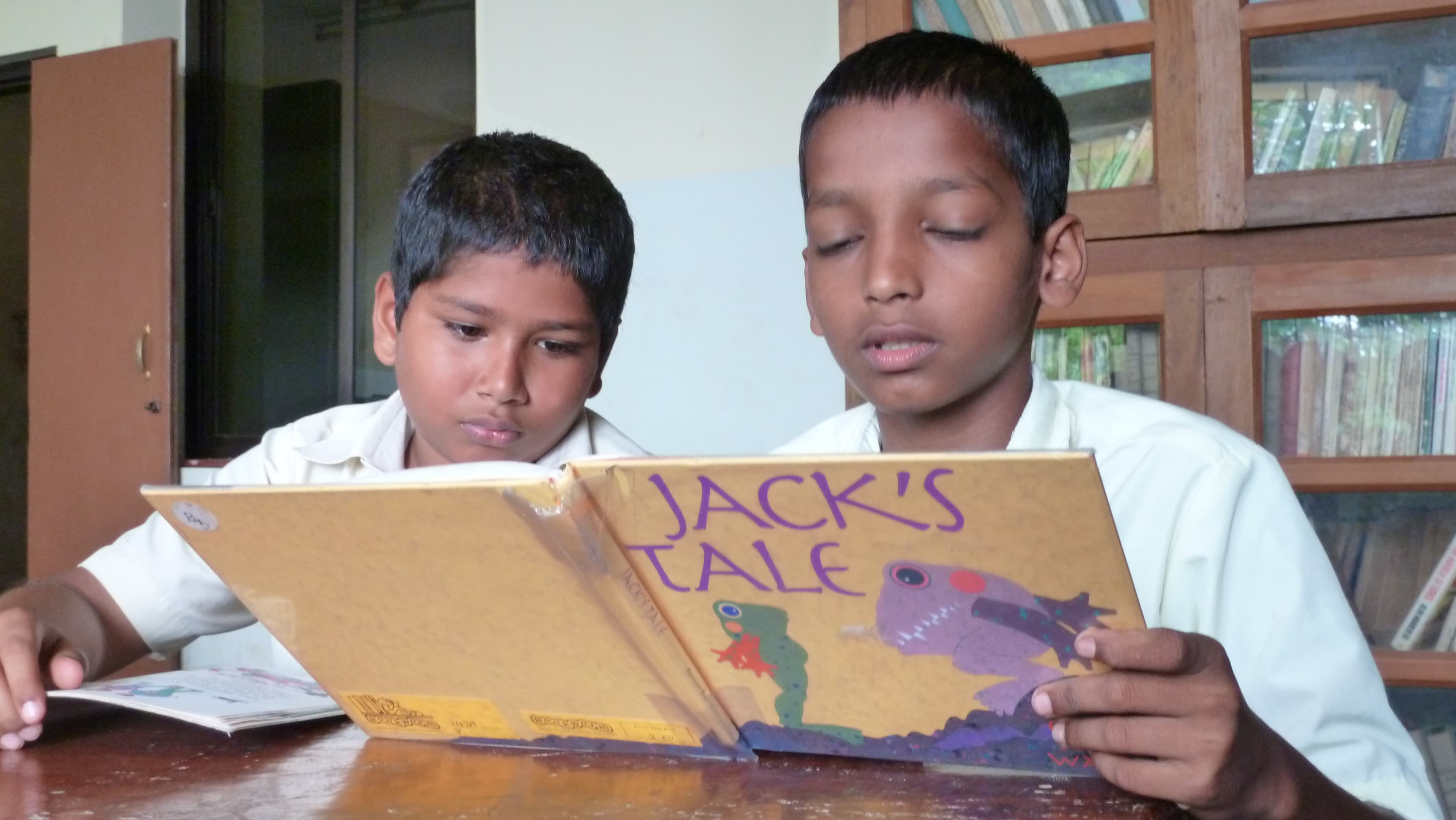
Nepal's rural schools are not just underfunded. They are systematically failing the children who need them most, and the consequences will last a generation.
Education is supposed to be the great equalizer. In Nepal, it is more often a mirror of existing inequality. Children born in Kathmandu attend schools with trained teachers, digital resources, and clear pathways to higher education. Children born in rural districts of Karnali, Sudurpaschim, or the hill regions of Gandaki attend schools where a single teacher may be responsible for five grade levels, where textbooks are shared among ten students, and where the building itself may not have a functioning roof.
The national literacy rate in Nepal has improved to approximately 68 percent. But in rural districts, female literacy can fall below 35 percent. The gap between what education looks like in urban Nepal and what it looks like in rural Nepal is not a matter of degree. It is a matter of kind.
The Teacher Crisis: Untrained, Unsupported, Unavailable
Nepal has approximately 350,000 teachers across its public school system. But the quality of that teaching force varies enormously. In rural districts, a significant proportion of teachers lack formal pedagogical training. They teach the way they were taught, through rote memorization and repetition, with no exposure to modern instructional methods, differentiated learning, or technology-integrated teaching.
The problem is compounded by teacher absenteeism. In remote areas, teachers may live far from the schools where they are posted. Poor roads, lack of housing, and limited professional incentives lead to chronic absenteeism rates that can exceed 25 percent in some districts. When the teacher does not show up, the students do not learn. When this happens week after week, entire academic years are lost.
Project Vidya addresses this directly. We are committed to training at least 1,000 teachers in technology-integrated, inclusive teaching methods through structured professional development programs. This is not a one-day workshop. It is sustained training that equips teachers with practical skills they can apply in their classrooms immediately.
The Infrastructure Gap: Schools Without Basics
In many rural municipalities, the school building is the least of the problems, though the buildings themselves are often inadequate. Classrooms lack furniture, lighting, and ventilation. Sanitation facilities, when they exist, are often broken or unmaintained. In schools without separate toilets for girls, female students frequently drop out after reaching puberty.
The absence of learning materials is equally damaging. Rural schools often lack sufficient textbooks, writing supplies, and teaching aids. Science is taught without lab equipment. Mathematics is taught without manipulatives. English is taught by teachers who may not be fluent in the language themselves.
Technology is an even more distant prospect. While urban schools in Kathmandu have computer labs and internet access, the average rural school has no digital infrastructure whatsoever. No computers, no projectors, no internet connectivity. In a world increasingly shaped by digital literacy, these students are being prepared for a century that has already passed.
The Girls' Education Emergency
Nepal has made significant progress in girls' enrollment at the primary level. National data shows near-parity in primary enrollment rates. But the numbers mask a critical reality: girls' dropout rates accelerate sharply after primary school, particularly in rural areas.
By the time students reach secondary school, the gender gap widens dramatically. In some rural districts, fewer than 40 percent of girls who start primary school complete grade 10. The causes are interconnected:
- Economic pressure: Families struggling with poverty prioritize boys' education when they cannot afford to educate all children. Girls are kept home to help with household work, farming, or childcare.
- Early marriage: Despite legal prohibitions, early marriage remains common in rural Nepal. Girls as young as 14 are withdrawn from school for marriage, ending their education permanently.
- Lack of sanitation: Schools without separate, functioning toilets for girls create an impossible environment for adolescent students. Menstrual health taboos compound the problem, with girls missing school during their periods due to stigma and lack of facilities.
- Safety concerns: In some areas, the distance between home and school, combined with concerns about safety during travel, leads families to withdraw daughters from school once they reach adolescence.
- Absence of female teachers: In districts where most teachers are male, families may be reluctant to send daughters to school, particularly at the secondary level.
What Project Vidya Is Building
Project Vidya (2027-2033) is not a band-aid. It is a systematic response to the structural failures of rural education in Nepal. The program operates on three pillars, each designed to address a root cause of educational failure:
- Teacher Training: Equipping at least 1,000 teachers with technology-integrated, inclusive teaching methods. Our training programs focus on practical classroom skills: differentiated instruction for multi-grade classrooms, gender-sensitive pedagogy, assessment techniques that go beyond rote testing, and integration of digital tools into lesson planning.
- Scholarships: Providing financial support for students from economically disadvantaged families, with a particular focus on girls' education. Our scholarships cover school fees, uniforms, supplies, and in some cases transportation costs. The goal is to remove every financial barrier that stands between a student and her education.
- School Infrastructure: Establishing 100 digital learning centers across rural districts, upgrading classroom facilities, improving sanitation with separate facilities for girls, and building smart classroom environments. Each digital learning center is designed to introduce students to computers, internet research, and digital literacy skills that are essential for future opportunities.
Healthcare and Education: The Reinforcing Cycle
Project Vidya does not operate in isolation. It works in coordination with Project Sanjeevani, our healthcare initiative. Communities that receive health camps are prioritized for education support. The logic is straightforward: a child who cannot see clearly cannot learn. A child with chronic ear infections cannot hear the teacher. A child who is malnourished cannot concentrate. A girl who misses school every month due to menstrual health issues falls behind and eventually drops out.
By addressing health and education together, we create a reinforcing cycle where improvements in one area amplify improvements in the other. When our health camps screen children's vision and hearing, we identify the medical barriers to learning. When our education programs support those same children's schools, we complete the circuit.
The Stakes Are Generational
Every year that a rural school fails to educate its students, the consequences compound. Children who drop out at grade five will earn a fraction of what they would have earned with a complete education. Girls who are married at 14 instead of finishing school will have children earlier, with less prenatal care, perpetuating the cycle of poverty and poor health. Communities without educated young people lose their capacity for economic development, self-governance, and civic participation.
The cost of fixing rural education is real but finite. The cost of not fixing it is incalculable.
Project Vidya is our answer to this crisis. Support education in rural Nepal and help us train teachers, build classrooms, and keep girls in school. Contact our team to discuss partnership opportunities or email partnerships@nivaranfoundation.org.
Distance is the disease. Your support helps us bring healthcare and education to communities where access still depends on geography.
Support this work