
For millions of Nepalis in rural districts, a toothache is not an inconvenience. It is the beginning of a cascade of health problems that no one is equipped to stop.
Dental health is one of the most neglected areas of healthcare in rural Nepal. It receives less attention than infectious diseases, less funding than maternal health, and less urgency than chronic disease screening. Yet untreated dental conditions affect virtually every aspect of a person's health: their ability to eat, their nutrition, their speech, their self-confidence, their susceptibility to systemic infection, and their capacity to work and earn.
In the 52 districts targeted by Project Sanjeevani, many patients who visit our health camps have never seen a dentist. Not once in their entire lives. The dental conditions we encounter are not minor. They are the result of decades without any professional oral healthcare.
The Scale of Nepal's Dental Crisis
Nepal has approximately 3,000 dentists for a population of 30 million, a ratio of roughly 1 dentist per 10,000 people. But like physicians, dentists are overwhelmingly concentrated in urban areas. Kathmandu Valley alone accounts for a disproportionate share of dental professionals. In rural districts of Karnali, Sudurpaschim, and the hill regions of other provinces, there may be zero dentists serving populations of hundreds of thousands.
Government health posts in rural areas are not equipped for dental care. They lack dental chairs, instruments, and trained personnel. The result is that dental disease progresses unchecked through the population. Cavities that would be filled in a routine urban appointment become abscesses. Abscesses become systemic infections. Gum disease leads to tooth loss. Tooth loss leads to malnutrition as patients can no longer chew solid food.
What Untreated Dental Disease Does to a Person
The consequences of a lifetime without dental care extend far beyond the mouth:
- Chronic pain: Dental pain is among the most debilitating forms of chronic pain. A patient with an untreated abscess or advanced cavity lives with constant, unrelenting discomfort that affects sleep, concentration, and the ability to work.
- Malnutrition: When teeth are damaged, loose, or missing, patients cannot chew properly. They shift to soft, often less nutritious foods. In communities where the diet already lacks diversity, dental disease compounds nutritional deficiency.
- Systemic infection: Untreated dental infections can spread to the bloodstream, causing bacteremia and, in severe cases, endocarditis or brain abscess. These complications are life-threatening and require hospital care that may be days away.
- Speech and social impact: Missing or damaged teeth affect speech clarity. In children, this can impair language development and academic performance. In adults, it affects social interactions and economic opportunities.
- Cardiovascular risk: Research has established links between chronic periodontal disease and increased risk of cardiovascular disease. In populations where heart disease already goes undetected due to lack of screening, this additional risk factor is especially dangerous.
Why Rural Communities Have No Dental Care
The absence of dental care in rural Nepal is not an oversight. It is the predictable result of systemic underinvestment:
- Training pipeline: Nepal's dental schools produce graduates who, like their medical counterparts, gravitate to urban practice where facilities, equipment, and income are better.
- Equipment costs: Dental care requires specialized equipment: chairs, drills, sterilization units, imaging capability. This equipment is expensive to purchase and maintain, and impossible to operate without reliable electricity.
- Cultural attitudes: In many rural communities, dental problems are not considered medical problems. Pain is endured. Tooth loss is accepted as inevitable. The concept of preventive dental care is simply unknown.
- Policy neglect: Nepal's national health strategy has historically focused on infectious disease control, maternal health, and child survival. Oral health has not been prioritized in health post staffing, equipment procurement, or community health worker training.
What Happens at a Nivaran Dental Station
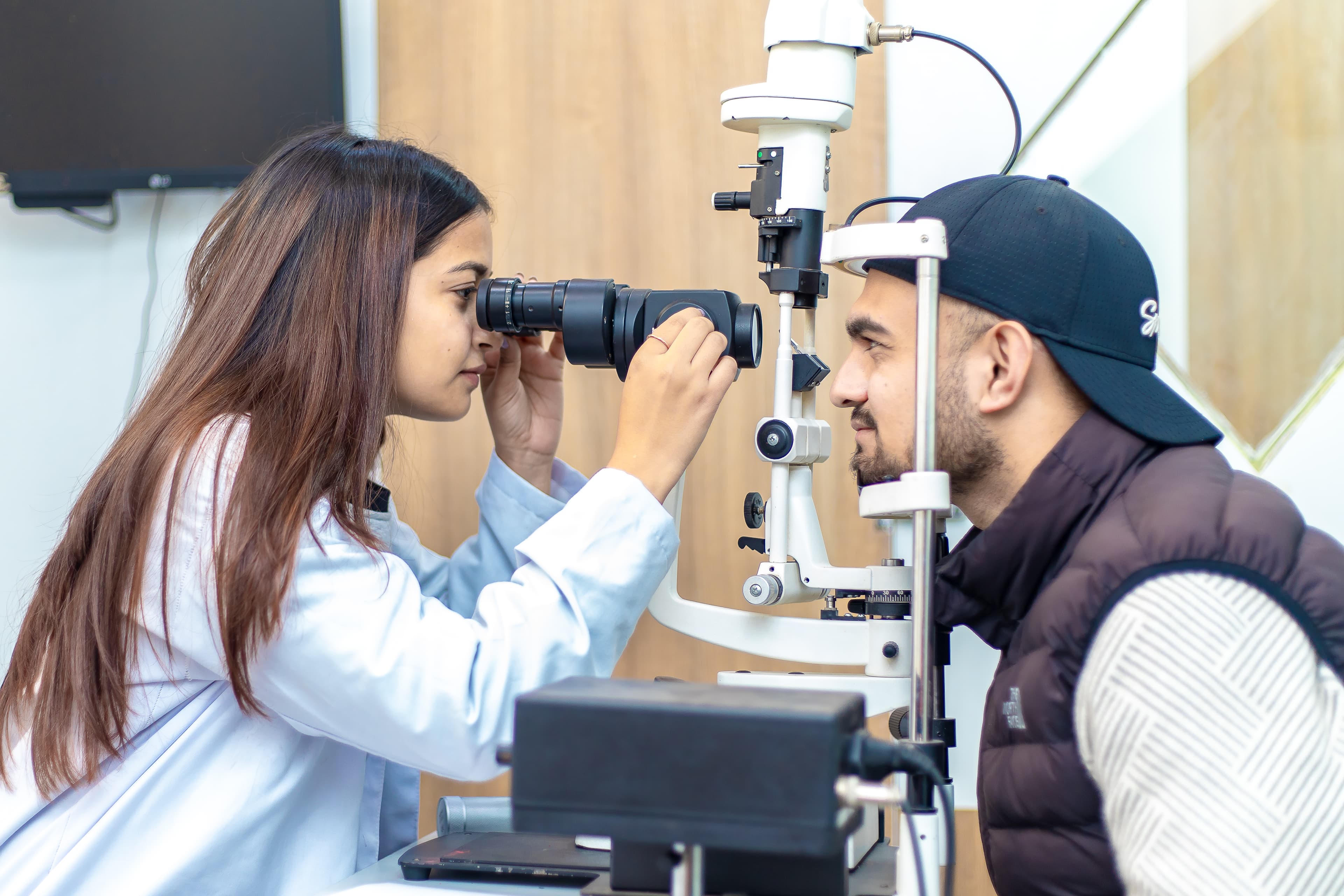
Every one of our 304 health camps under Project Sanjeevani includes a dedicated dental station staffed by a qualified dentist. Here is what that station delivers in a single camp day:
- Oral examination: Every patient receives a comprehensive examination of teeth, gums, and oral tissues. The dentist identifies cavities, gum disease, abscesses, oral lesions, and signs of more serious conditions.
- Basic treatments: Fillings for cavities, extraction of severely damaged teeth that cannot be saved, and treatment of acute infections with antibiotics from our camp pharmacy.
- Pain management: For patients who have been living with dental pain, immediate relief through treatment and medication is often the most impactful service we provide.
- Oral hygiene education: Every patient receives instruction on proper brushing technique, the importance of regular cleaning, and the connection between oral health and overall health. In communities where toothbrushes are uncommon, we provide them along with basic oral hygiene supplies.
- Referrals: Patients requiring complex procedures such as root canals, prosthetics, or treatment for oral cancers are referred to partner facilities with advanced dental capabilities.
Children and Dental Health: The Early Window
Dental disease in children is particularly concerning because it affects development during critical years. A child with dental pain cannot concentrate in school. A child with visible tooth decay may face social stigma from peers. A child who loses permanent teeth early will face a lifetime of chewing difficulty and nutritional compromise.
Our health camps screen every child who attends. The prevalence of dental disease in rural school-aged children is alarmingly high. Early intervention, whether through treatment of existing conditions or education to prevent new ones, can alter the trajectory of a child's oral health for life.
This connects directly to Project Vidya. When our health camps identify dental disease in school children and our education programs support those same schools, we address both the health barrier and the learning barrier simultaneously.
Prevention Is the Only Sustainable Solution
Mobile health camps cannot solve the dental crisis permanently. They can treat acute conditions, provide education, and create a baseline of dental health data for each community. But lasting change requires:
- Community-level prevention: Training community health workers to include oral health in their regular outreach, teaching families about brushing, diet, and early signs of dental problems.
- School-based programs: Integrating oral hygiene education into school curricula and providing toothbrushes and fluoride toothpaste to students.
- Permanent facilities: Including dental services in the Nivaran Health Centers planned for Phase II, so communities have ongoing access to dental care between camp visits.
Every Mouth Tells a Story
When our dental team examines a patient who has never seen a dentist, the condition of their mouth tells a story of neglect that is not their fault. It is the story of a healthcare system that never reached them. Of a policy framework that never prioritized them. Of a dental profession that never came to their district.
We are working to change that story, one camp, one patient, one healthy smile at a time. Support dental healthcare in rural Nepal by donating to Project Sanjeevani. A $500 donation funds a complete health camp including dental services for up to 200 patients. Contact us to learn more or email partnerships@nivaranfoundation.org.
Distance is the disease. Your support helps us bring healthcare and education to communities where access still depends on geography.
Support this work