In Nepal, your caste, your gender, and how far you live from a road can determine whether you ever see a doctor. We are working to change that.
Nepal is one of the most geographically and socially stratified countries in South Asia. In the far-western districts of Karnali and Sudurpaschim provinces, communities may be several days' walk from the nearest health post. Women in these areas often give birth without any medical supervision. Children from Dalit and Janajati families face systemic barriers to education. Elderly residents with chronic conditions go years without a checkup.
The Nivaran Foundation does not operate with a one-size-fits-all model. Our health camps and education programs are specifically designed to reach the people who fall through the cracks of Nepal's existing systems.
Healthcare That Goes Where the Need Is
Our 304 health camps under Project Sanjeevani are not placed in district headquarters or along major highways. They are deployed in rural municipalities, the administrative units that contain Nepal's most isolated populations. Across 52 districts and 252 municipalities, our 24 medical teams bring eye care, dental services, ENT treatment, general medicine, and lab testing directly to communities that have no other access.
Camp sites are selected based on population data, distance from existing health facilities, and input from local government partners. We prioritize areas with the highest unmet need, particularly in Karnali Province (41 camps planned), Sudurpaschim Province (35 camps), and the hill districts of Gandaki (54 camps), Bagmati (59 camps), and Koshi (86 camps).
Gender-Inclusive Healthcare Delivery
In many rural Nepali communities, women face cultural barriers to seeking medical care. They may need permission from family members to travel, or feel uncomfortable being examined by male practitioners. Our health camps address this directly:
We include female healthcare workers on every team to ensure women and girls feel safe accessing services.
Camp schedules include dedicated time blocks for women's health screenings, allowing private consultations without the pressure of mixed-gender waiting areas.
Community health workers, many of them local women, conduct door-to-door outreach before each camp to encourage attendance among women who might otherwise stay home.
When a woman in a remote village receives an eye exam, a dental checkup, and a blood pressure screening in a single visit, that is not just healthcare. It is a statement that her health matters as much as anyone's.
Education for Girls and Underserved Students
Project Vidya, our education initiative, focuses on removing the barriers that prevent children, especially girls and students from marginalized backgrounds, from staying in school. In Nepal's rural districts, girls' enrollment drops sharply after primary school due to poverty, early marriage, and lack of facilities like separate toilets.
Our approach includes:
Scholarships targeted at girls and students from economically disadvantaged families, covering school fees, uniforms, and supplies.
Teacher training that equips educators with inclusive teaching methods, technology-integrated instruction, and awareness of the specific challenges rural students face.
School infrastructure improvements including sanitation facilities, classroom upgrades, and learning materials that make schools safer and more welcoming for all students.
Culturally Sensitive by Design
Nepal is home to over 125 ethnic groups and 123 languages. Effective healthcare and education in this context requires cultural competence, not just clinical competence. Our teams work with local leaders and community health volunteers to understand local customs, language needs, and social dynamics before setting up camp.
In Indigenous and Janajati communities, we coordinate with traditional community structures to build trust and ensure participation. In areas with low literacy, our health education materials use visual aids and are delivered in local languages. This is not a generic outreach strategy. It is built around the specific people we are trying to serve.
Inclusion as an Operating Principle
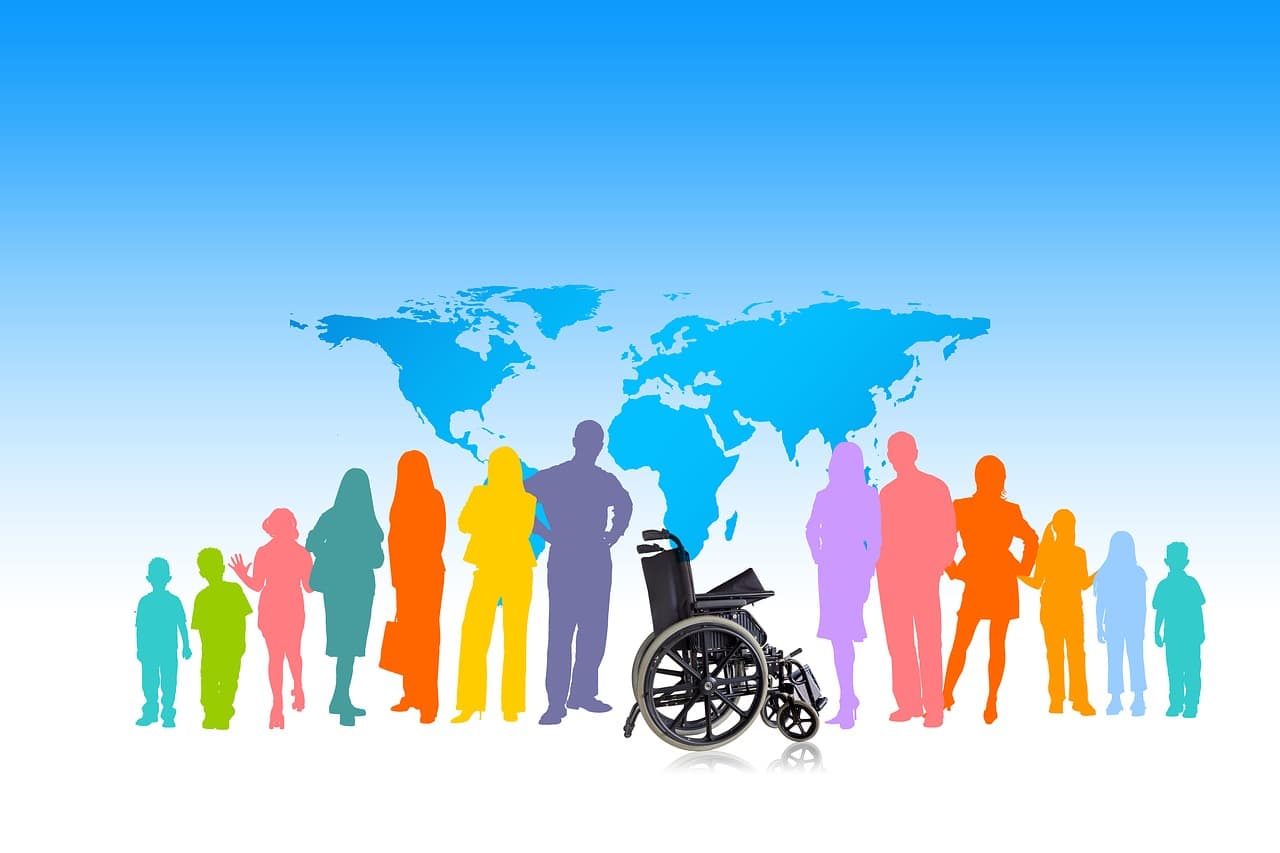
We do not treat inclusion as a separate initiative or a box to check. It is embedded in how we select camp locations, how we staff our teams, how we design our education programs, and how we measure success. If a health camp serves a community but misses the women, the elderly, or the lowest-caste families, we have not done our job.
Every patient count we report is disaggregated by gender and age. Every education program tracks enrollment and completion rates among girls and disadvantaged students. This data holds us accountable to the people who need us most.
Want to help us reach more underserved communities? Donate today or contact us to learn how you can support inclusive healthcare and education in Nepal.
Distance is the disease. Your support helps us bring healthcare and education to communities where access still depends on geography.
Support this work