
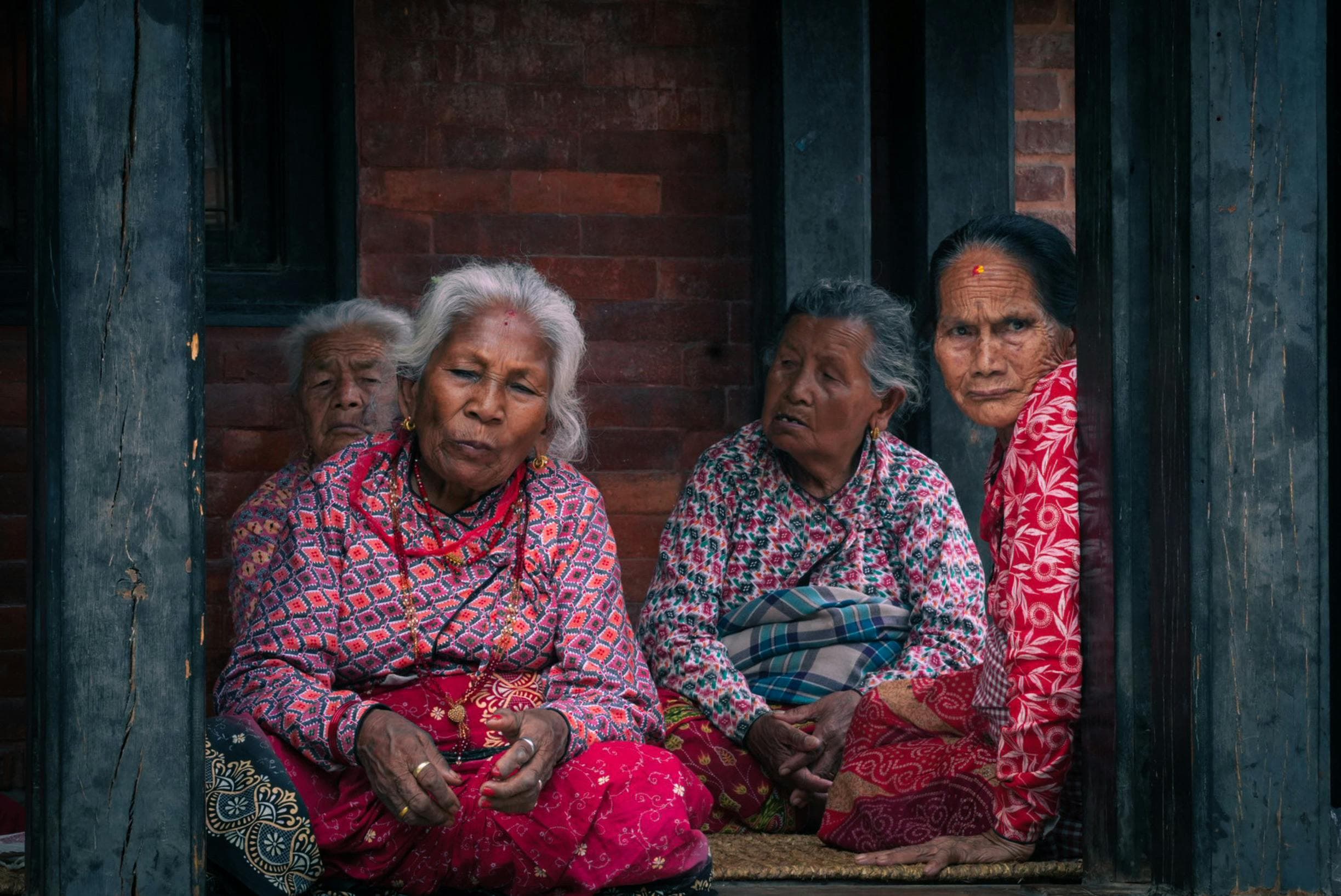
In the bustling streets of Bharatpur, Nepal's rapidly growing city, 74-year-old Maya* sits patiently in a crowded hospital corridor. She has been waiting for three hours to see a doctor about her hypertension medication. Her experience mirrors a growing healthcare crisis facing Nepal's elderly population, according to groundbreaking new research published in BMC Health Services Research.
The Family Support Paradox
The study reveals a stark contrast in healthcare access between elderly Nepalese living with family members and those aging alone. While traditional family structures have long been the backbone of elderly care in Nepal, increasing youth migration is creating concerning gaps in this support system.
"I wish my children were with me and around the house," shares one 80-year-old participant living alone. "Now, I live alone, so I feel very lonely. My children bring food and medicine for me when they visit me once every three months; that is, it."
Insurance: Promise vs. Reality
Nepal's push toward universal health coverage through its national health insurance scheme presents a complex picture. While the program offers coverage up to 100,000 Nepalese Rupees (approximately $750) for a family of five at an annual premium of 3,500 Rupees, the reality on the ground tells a different story.
"They give us cheap medicine and ask us to buy other medicines on our own," reports one participant with health insurance. "If a hospital receives 100 rupees for medicine, then 40 rupees will be used only in medicine. They only provide paracetamol."
Multiple Barriers to Access
The research identifies several critical challenges facing elderly patients:
Poor communication between healthcare providers and elderly patients
- Extended waiting times at public facilities
- Lack of elderly-friendly infrastructure
- Limited availability of quality medications
- Transportation difficulties, even in accessible regions
The Urban-Rural Divide
While the study focused on Bharatpur, one of Nepal's more accessible cities, researchers suggest these challenges are likely amplified in rural areas. With approximately 10.21% of Nepal's population now aged 60 or above, according to the 2021 census, the pressure on healthcare systems is mounting.
A Call for Change
Healthcare experts are advocating for systematic reforms to address these challenges. The study recommends:
Looking Forward
As Nepal grapples with rapid population aging, the need for targeted healthcare solutions becomes increasingly urgent. The study's findings suggest that while family support remains crucial, systematic changes are needed to ensure adequate healthcare access for the elderly.
"It obviously feels different and difficult than before," reflects one 80-year-old participant. "Now I cannot work like I used to do. Now I cannot function like before."
This story reflects real families, real journeys, and real barriers. Your support helps our teams show up where care is hardest to reach.
Support this work