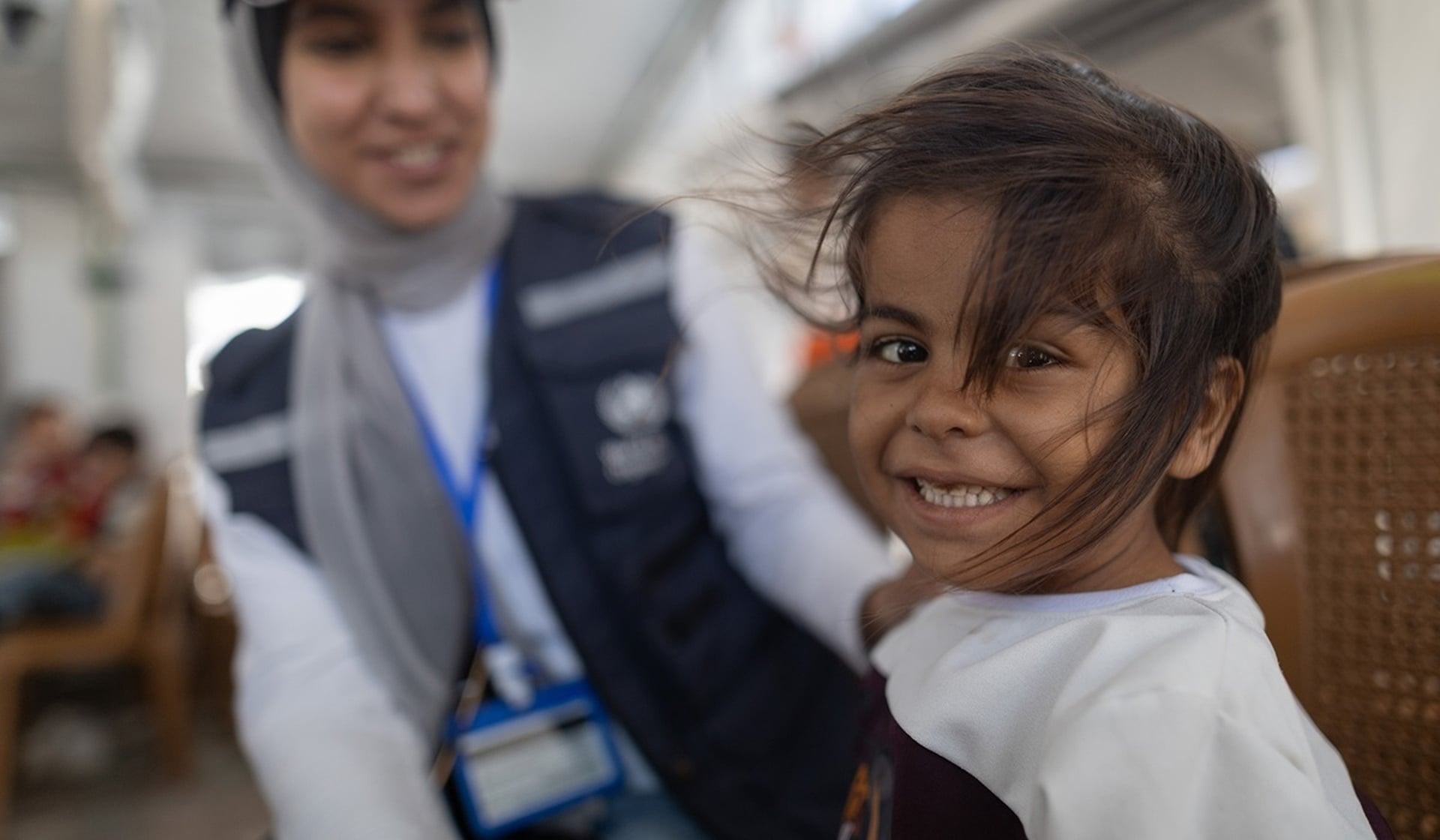
The World Health Organization (WHO) has launched its critical 2026 global appeal, a clarion call to the international community to safeguard the health and well-being of millions trapped in the throes of humanitarian crises and protracted conflicts worldwide. This urgent financial plea underscores the escalating challenges faced by populations in vulnerable settings, where access to basic healthcare services is often a matter of life and death, severely compromised by violence, displacement, and systemic collapse. The appeal seeks to mobilize essential resources to deliver life-saving interventions, bolster fragile health infrastructures, and prevent the spread of diseases in regions grappling with unparalleled adversity.
Across continents, a complex tapestry of emergencies – from armed conflicts and political instability to devastating natural disasters and the persistent threat of infectious disease outbreaks – continues to erode public health gains and push already strained systems to their breaking point. In these environments, the most vulnerable, including women, children, the elderly, and displaced persons, bear the disproportionate brunt of suffering. They face heightened risks of malnutrition, preventable diseases, and mental health trauma, often with little to no access to medical attention. The WHO's 2026 appeal directly addresses this dire reality, aiming to bridge critical gaps in healthcare provision and ensure that fundamental human rights, particularly the right to health, are upheld even in the most challenging circumstances.
The scope of the WHO's proposed interventions under this appeal is comprehensive, designed to address the multifaceted health needs arising from complex emergencies. Key priorities include the rapid deployment of emergency medical teams, the provision of essential medicines and medical supplies, and the establishment of robust disease surveillance systems to detect and respond swiftly to potential outbreaks. Furthermore, the appeal emphasizes the importance of primary healthcare services, including maternal and child health, routine immunizations, and mental health and psychosocial support, which are often the first services to collapse in a crisis and the hardest to restore. By focusing on these core areas, the WHO seeks not only to alleviate immediate suffering but also to lay the groundwork for long-term recovery and resilience within affected communities.
One of the most significant challenges in humanitarian health response remains the persistent funding gap. Despite the immense and growing needs, international aid often falls short, leaving millions without adequate care. This shortfall is not merely a budgetary inconvenience; it translates directly into preventable deaths, prolonged suffering, and the exacerbation of existing health disparities. When health systems are underfunded, they cannot procure vital medicines, retain skilled healthcare workers, or maintain essential infrastructure. This creates a vicious cycle where a lack of resources impedes effective response, leading to greater health crises and an even more profound need for future assistance. The 2026 appeal is a stark reminder that sustained and predictable funding is indispensable for effective humanitarian action.
The consequences of neglecting health in crisis settings extend far beyond immediate mortality and morbidity. Unaddressed health issues can destabilize entire regions, impede peace-building efforts, and fuel cycles of poverty and displacement. For instance, the breakdown of immunization programs in conflict zones can lead to resurgences of diseases like polio and measles, threatening not only the affected populations but also posing risks to neighboring countries and global health security. Similarly, untreated mental health conditions stemming from trauma can have profound, long-lasting impacts on individuals, families, and communities, hindering social cohesion and economic recovery for generations. The WHO's appeal, therefore, is not just about treating illness; it is about protecting human dignity, fostering stability, and investing in a more secure future for all.
Beyond direct medical interventions, the appeal also highlights the critical role of strengthening local health capacities. In many crisis-affected regions, existing health systems are weak or have been decimated. The WHO’s strategy involves working closely with national and local health authorities, training community health workers, and rebuilding damaged health facilities to ensure that services can be sustained by local actors in the long run. This approach is vital for fostering self-reliance and ensuring that communities are better equipped to respond to future shocks, moving beyond a perpetual reliance on external aid. It represents a shift towards empowering local resilience, recognizing that sustainable health outcomes are rooted in strong, locally-led systems.
The global nature of health emergencies demands a unified, international response. No single nation or organization can tackle the scale and complexity of these challenges alone. The WHO's 2026 appeal serves as a critical platform for fostering global solidarity, urging member states, philanthropic organizations, and private donors to contribute their share to a collective effort. It is a call to recognize that health security is a shared responsibility, and that investing in the health of vulnerable populations worldwide is an investment in the health and stability of the entire planet. The interconnectedness of our world means that a health crisis in one region can quickly become a global concern, underscoring the imperative for proactive engagement and robust support.
The humanitarian landscape is continuously evolving, with new crises emerging and existing ones deepening. Climate change, for example, is increasingly recognized as a major driver of health emergencies, contributing to more frequent and intense natural disasters, food insecurity, and the spread of vector-borne diseases. The WHO's appeal acknowledges these evolving threats, aiming to build more adaptable and resilient health responses that can cope with a broader spectrum of challenges. This forward-looking approach is crucial for ensuring that humanitarian health efforts remain relevant and effective in a rapidly changing global environment.
Ultimately, the 2026 appeal is more than a request for funds; it is an urgent plea for humanity to act decisively and compassionately. It is a reminder that behind every statistic of displacement or disease, there are individuals, families, and communities struggling for survival and dignity. Ensuring access to healthcare in emergencies is not merely a logistical task; it is a moral imperative. The success of this appeal will determine whether millions of people receive the life-saving care they desperately need, or if they are left to face unimaginable suffering. The global community's response will reflect its commitment to shared values and its collective capacity to alleviate human suffering on a grand scale.
Support Nivaran Foundation's global initiatives to strengthen health resilience and provide vital aid in communities facing humanitarian crises.
Support this work