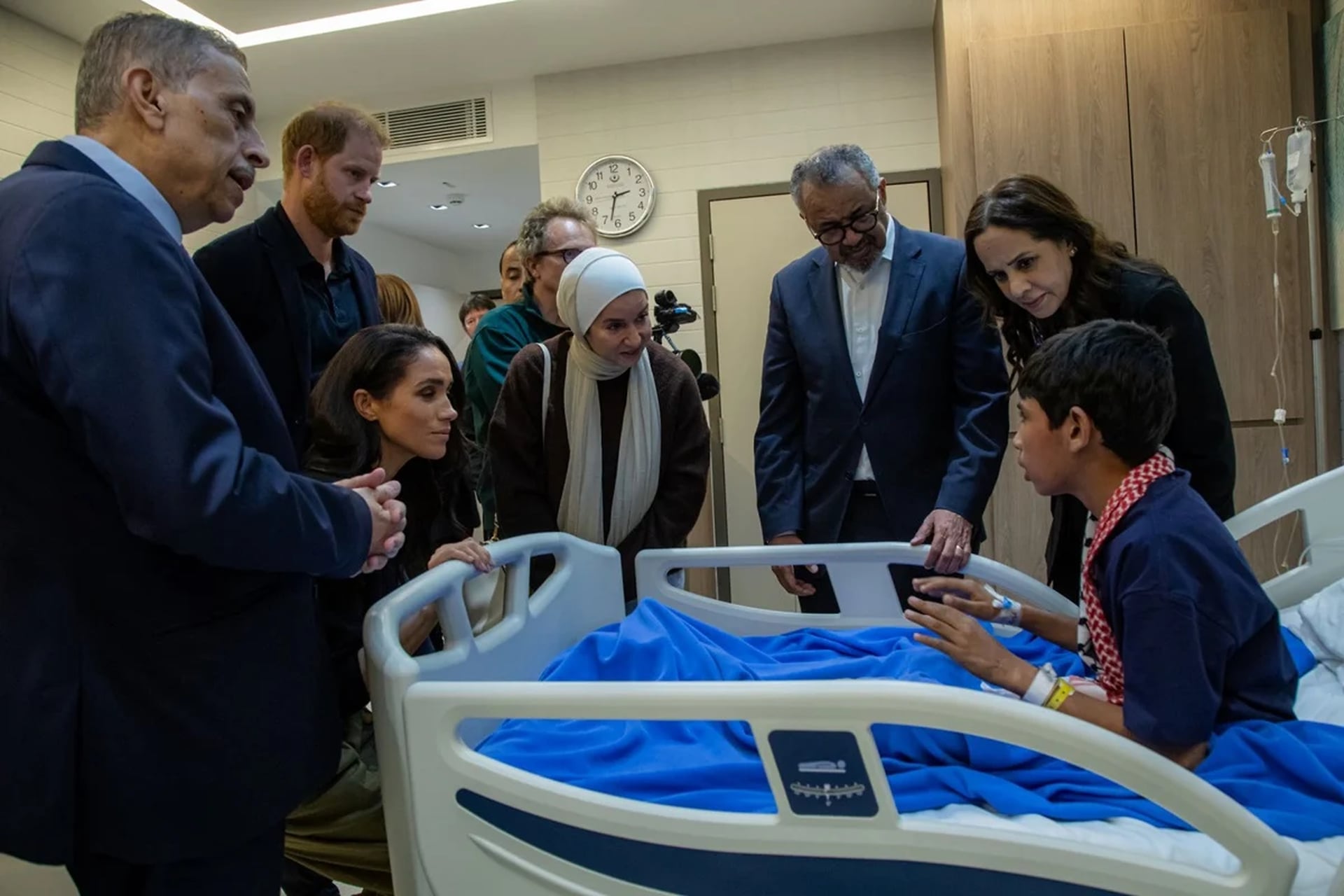
The Director-General of the World Health Organization (WHO), Dr. Tedros Adhanom Ghebreyesus, recently concluded a pivotal two-day State visit to the Hashemite Kingdom of Jordan, a visit that underscored the profound and enduring partnership between the global health body and the nation. This high-level engagement served to commend Jordan's steadfast dedication to strengthening its health system, providing critical emergency relief, and pioneering advancements in mental health services, all within a region often characterized by complex humanitarian challenges. The visit illuminated Jordan's role not merely as a recipient of aid but as a proactive and strategic partner in achieving universal health coverage (UHC), fostering mental well-being, and executing robust humanitarian health actions.
Dr. Tedros's presence in Jordan was more than a diplomatic formality; it was a reaffirmation of shared values and strategic objectives in public health. Jordan, strategically located at the crossroads of several geopolitical flashpoints, has long demonstrated an exceptional commitment to humanitarian principles, hosting millions of refugees and providing them with access to essential services, including healthcare. This commitment, often under immense resource pressure, has positioned Jordan as a crucial ally in WHO's global mission to ensure health for all. The discussions during the visit delved into the intricacies of these collaborations, exploring successes, identifying ongoing challenges, and charting future pathways for sustained progress.
Forging Pathways to Universal Health Coverage
One of the central pillars of the WHO-Jordan partnership is the relentless pursuit of Universal Health Coverage (UHC). UHC, a fundamental goal for WHO, means that all people have access to the health services they need, when and where they need them, without financial hardship. For Jordan, a nation that has made significant strides in expanding healthcare access, the journey towards comprehensive UHC involves continuous innovation and investment. The visit highlighted Jordan's efforts to strengthen primary healthcare, which serves as the bedrock of any resilient health system. This includes enhancing the capacity of local clinics, ensuring the availability of essential medicines, and training a skilled health workforce capable of addressing a wide spectrum of community health needs.
WHO's support to Jordan in this domain spans technical guidance, policy formulation, and capacity building. The collaboration focuses on developing equitable health financing mechanisms that protect individuals from catastrophic health expenditures, particularly for vulnerable populations. Furthermore, efforts are concentrated on integrating various health services, from maternal and child health to non-communicable disease management, into a cohesive and accessible system. The discussions during Dr. Tedros's visit emphasized the importance of data-driven decision-making to identify gaps in service delivery and allocate resources effectively, ensuring that no one is left behind in Jordan's pursuit of health equity. The commitment to UHC in Jordan also serves as a beacon for other nations in the region, demonstrating that despite external pressures, sustained political will and strategic partnerships can yield tangible improvements in population health outcomes.
Prioritizing Mental Well-being in a Complex Region
Another critical area of collaboration underscored during the visit was the advancement of mental health services. Mental health has increasingly gained global recognition as an integral component of overall well-being, yet it remains underfunded and stigmatized in many parts of the world. In Jordan, the context is particularly acute, given the psychological toll of prolonged regional conflicts and the presence of large refugee populations who have experienced trauma and displacement. The WHO Director-General commended Jordan's proactive approach to integrating mental health into its broader healthcare framework, moving away from a purely institutional model towards community-based care.
The partnership between WHO and Jordan aims to de-stigmatize mental health conditions and ensure that mental health services are accessible at the primary healthcare level. This involves training general practitioners and community health workers to identify common mental health disorders, provide initial support, and make appropriate referrals. Initiatives also focus on developing specialized mental health services, including psychosocial support programs tailored for refugees and host communities. The discussions highlighted the need for sustained investment in mental health infrastructure, human resources, and public awareness campaigns to foster a supportive environment where individuals feel comfortable seeking help. Dr. Tedros acknowledged Jordan's leadership in recognizing mental health as a public health priority, setting an example for how nations can address this often-neglected aspect of health, even amidst significant societal stressors.
Jordan's Pivotal Role in Humanitarian Health Response
Jordan's commitment to humanitarian health action is unparalleled in the region. As a frontline state in numerous crises, Jordan has consistently opened its borders to those fleeing conflict and persecution, providing refuge and essential services. This generosity, however, places immense strain on its national resources and health infrastructure. The WHO-Jordan partnership is therefore vital in ensuring a robust and coordinated humanitarian health response. The visit provided an opportunity to review the effectiveness of emergency relief operations and preparedness strategies.
WHO works closely with the Jordanian Ministry of Health and other partners to strengthen the country's capacity to manage large-scale health emergencies, including disease outbreaks, mass casualty incidents, and the ongoing health needs of refugee populations. This includes supporting disease surveillance systems, ensuring access to vaccination campaigns, providing essential medicines and supplies, and coordinating health services in refugee camps and host communities. Dr. Tedros specifically acknowledged Jordan's remarkable resilience and organizational capacity in managing the health implications of hosting millions of refugees, particularly from Syria. The collaboration ensures that humanitarian health action is not merely reactive but also proactive, building sustainable health capacities that benefit both refugees and the host population, thereby mitigating the long-term impact of crises on public health.
A Model for Global Health Collaboration and Resilience
Dr. Tedros Adhanom Ghebreyesus's visit to Jordan served as a powerful testament to the strength and strategic importance of the WHO-Jordan partnership. It highlighted how a nation, even one facing significant regional challenges, can emerge as a leader in global health by prioritizing universal access, mental well-being, and effective humanitarian response. The collaboration exemplifies a model where international support is seamlessly integrated with national ownership and leadership, leading to sustainable and impactful health outcomes.
The discussions during the visit laid the groundwork for continued cooperation, focusing on innovation, equitable resource distribution, and the sharing of best practices. Jordan's experiences in managing complex health emergencies and integrating diverse health needs into a cohesive system offer invaluable lessons for the broader global health community. The commitment expressed by both parties underscores a shared vision for a healthier, more resilient world, where partnerships are leveraged to overcome obstacles and advance the fundamental right to health for all individuals, irrespective of their circumstances or geographic location. The enduring collaboration between WHO and Jordan is a beacon of hope, demonstrating that through sustained effort and mutual respect, significant strides can be made towards achieving ambitious global health goals.
Support Nivaran Foundation's global health reporting to illuminate critical partnerships advancing well-being worldwide.
Support this work