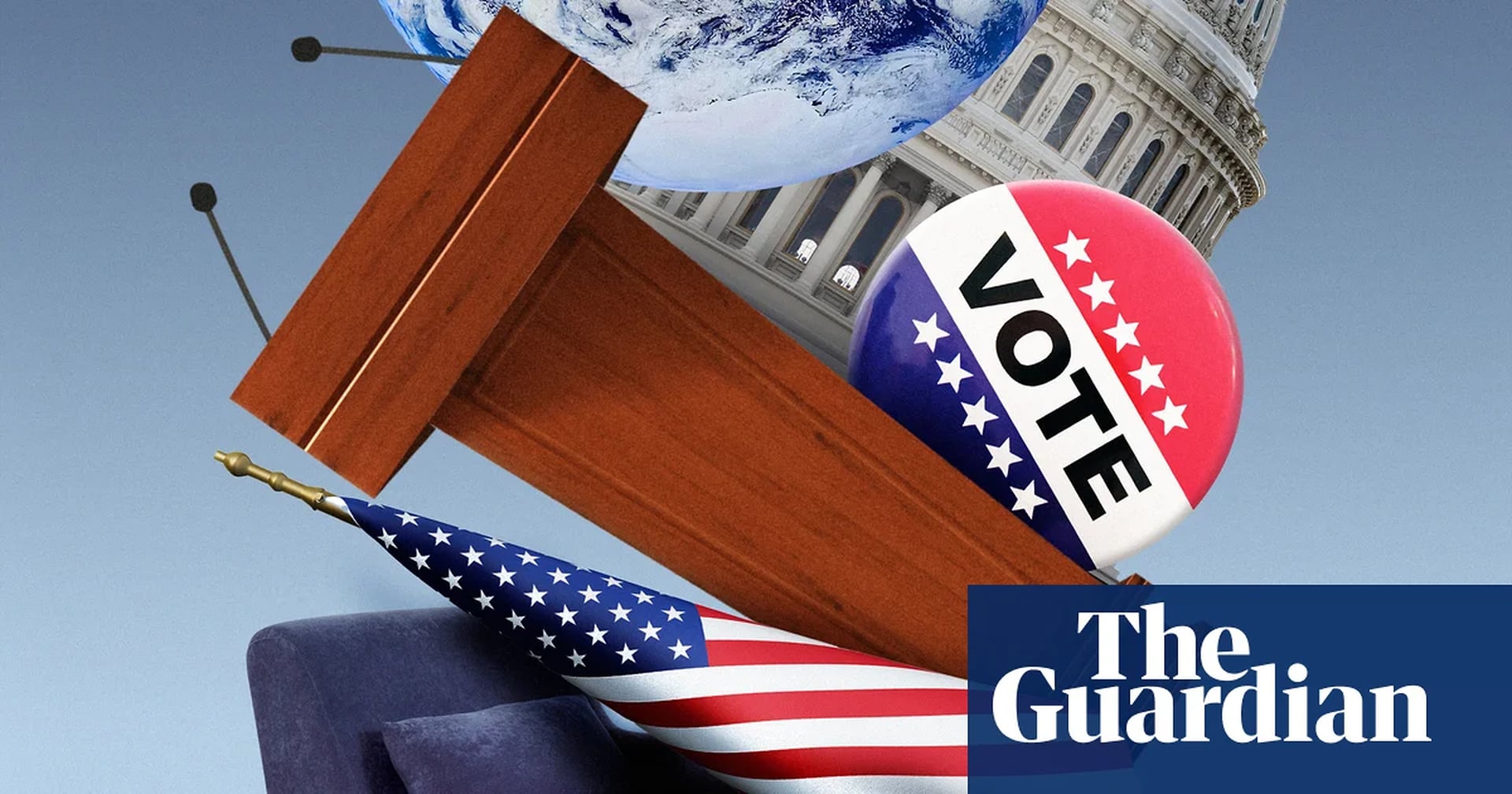
For countless individuals across the globe, each new day often brings a familiar, unsettling weight: a profound sense of apprehension and unease stemming from the relentless churn of political events. This pervasive feeling, sometimes described as a form of “political depression” or “societal stress,” has become an increasingly recognized phenomenon, transcending geographical boundaries and impacting the mental well-being of populations worldwide. From bustling metropolises to quiet rural communities, a growing number of people report experiencing a deep-seated terror or horror at the state of global affairs, finding it difficult to focus, to find peace, or to maintain a sense of optimism for the future.
This psychological burden is not merely a fleeting worry; it manifests as sustained distress, often triggered by a constant influx of unsettling news—reports of escalating conflicts, humanitarian crises, the erosion of democratic norms, or the proliferation of divisive rhetoric that chips away at fundamental human empathy and compassion. Individuals witness from afar, or sometimes firsthand, the profound impacts of political decisions: families displaced by conflict, activists facing repression, and communities grappling with the fallout of policies that appear to betray core values of justice, compassion, and decency. The emotional toll of observing such events, amplified by digital media, can be immense, fostering feelings of helplessness and a deep sense of betrayal of shared human principles.
Mental health professionals globally are increasingly noting a significant shift in concerns brought into therapy rooms. While personal struggles remain central, an unprecedented number of clients present with anxiety, despair, and existential dread directly attributable to the political climate. Therapists report that discussions often revolve around concerns about the future of their societies, the safety of vulnerable groups, and the perceived decline in civil discourse. This isn't just about disagreeing with a particular policy; it's about a fundamental feeling that the world is becoming “upside down,” where established norms are challenged, and a sense of stability is elusive. The constant exposure to news of societal polarization, political extremism, and the perceived breakdown of ethical governance can lead to chronic stress, manifesting as sleep disturbances, irritability, difficulty concentrating, and even physical symptoms.
The concept of “political depression” highlights how inextricably linked individual well-being is to the broader societal and political landscape. It underscores that mental health is not solely an internal, individual battle but is profoundly influenced by external realities. When political systems appear unstable, when leaders engage in rhetoric that demonizes opponents, or when the very fabric of social cohesion seems to fray, individuals absorb this tension. For many, the political sphere, once a distant backdrop to daily life, has become an immediate and deeply personal source of stress, intruding into private thoughts and conversations, and coloring their perceptions of the world.
This phenomenon is not confined to any single nation or political system. Across diverse continents, populations are grappling with similar anxieties. In regions experiencing prolonged political transitions, post-conflict recovery, or heightened social unrest, the psychological scars are particularly deep. Even in seemingly stable democracies, the rise of populism, the spread of misinformation, and the polarization of public opinion contribute to a collective sense of unease. The global interconnectedness of information means that events in one corner of the world can quickly resonate elsewhere, creating a shared sense of global vulnerability and interconnected fate. This global echo chamber of political stress means challenges faced by one community can trigger empathy and anxiety in others, leading to a widespread, diffuse sense of collective trauma.
In response to this growing challenge, mental health practitioners are increasingly advocating for approaches that extend beyond traditional individual therapy. While one-on-one sessions remain crucial for processing personal grief and anxiety, there's a growing recognition that part of the healing process involves engaging with the external world, rather than retreating from it. Therapists are encouraging clients to find constructive outlets for their political anxieties, emphasizing the importance of community engagement, civic participation, and collective action. The rationale is that feelings of helplessness often stem from a perceived lack of agency; by actively participating in efforts to address societal problems, individuals can regain a sense of control and purpose.
Engaging with one's community can take many forms. It might involve volunteering for local causes, participating in advocacy groups, joining discussions that promote understanding across divides, or simply connecting with neighbors to build stronger social bonds. These actions, however small, can counteract the isolating effects of political despair. When individuals come together, they not only share their burdens but also discover collective strength and innovative solutions. This communal solidarity can foster a sense of belonging, reduce feelings of isolation, and provide a powerful antidote to the cynicism and hopelessness that political turmoil often engenders. The act of working alongside others towards a shared goal, even if the progress is slow, can be profoundly therapeutic, restoring faith in humanity and the possibility of positive change.
Furthermore, education plays a critical role in mitigating the psychological impacts of political stress. Promoting media literacy, critical thinking skills, and an understanding of diverse perspectives can empower individuals to navigate complex information environments more effectively, reducing their susceptibility to misinformation and divisive narratives. Educational initiatives that foster civic responsibility and encourage constructive dialogue can help build more resilient communities, capable of addressing disagreements without resorting to destructive polarization. By equipping individuals with the tools to engage thoughtfully with political issues, societies can cultivate a more informed and less anxious citizenry.
Addressing this global mental health challenge, the Nivaran Foundation recognizes, requires a multi-faceted approach. It necessitates not only robust mental health services but also societal structures promoting justice, equity, and inclusive governance. Investing in initiatives that strengthen community bonds, support civil society organizations, and promote peaceful conflict resolution are all integral components of fostering global mental well-being. When individuals feel heard, valued, and empowered to contribute to their societies, the psychological burden of political stress can be significantly alleviated.
In conclusion, the pervasive influence of global political turmoil on mental health is an undeniable and growing concern. The rise of “political depression” signals a critical need for societies worldwide to acknowledge the profound psychological toll of instability, division, and perceived injustice. While individual therapy offers vital support, the path to resilience and recovery increasingly lies in fostering robust community engagement, promoting active civic participation, and cultivating environments where empathy and constructive dialogue can thrive. By recognizing the interconnectedness of political health and mental health, and by empowering individuals to act collectively, we can begin to build more resilient, hopeful, and psychologically sound communities in the face of ongoing global challenges. The journey towards global well-being demands not just political solutions, but also a profound commitment to nurturing the mental health of every citizen.
Support Nivaran Foundation's global initiatives to foster mental well-being and community resilience in challenging times.
Support this work