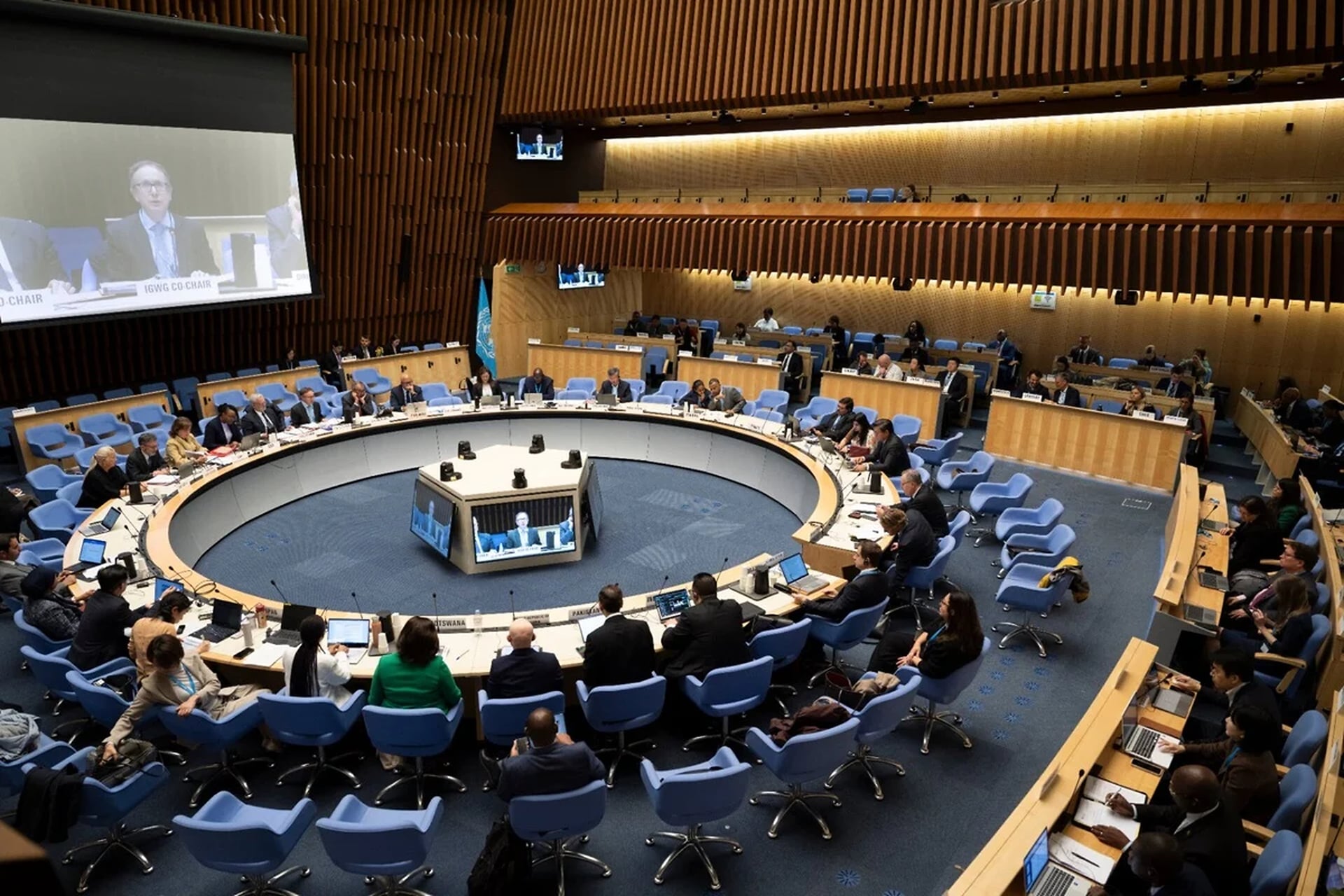
In a display of unwavering global commitment, Member States of the World Health Organization (WHO) recently concluded a crucial week-long round of negotiations on a vital annex to the proposed WHO Pandemic Agreement. From February 9 to 14, 2026, delegates convened for the fifth meeting of the Intergovernmental Working Group (IGWG) on the WHO Pandemic Agreement, focusing intensely on the draft annex concerning Pathogen Access and Benefit Sharing (PABS). This pivotal component is widely recognized as the cornerstone for establishing a more equitable and effective global response to future pandemics.
The discussions, held under the mandate set by the World Health Assembly (WHA) last year, underscored the collective determination of nations to learn from past global health crises and forge a new path towards collaborative preparedness and response. The PABS annex is designed to address one of the most contentious and critical issues exposed during recent pandemics: the stark disparities in access to life-saving health products, such as vaccines, therapeutics, and diagnostics, particularly between high-income and low-income countries. The overarching goal of the Pandemic Agreement itself is to build a robust international framework that ensures solidarity, equity, and a coordinated approach when the next global health threat inevitably emerges.
The concept of Pathogen Access and Benefit Sharing is multifaceted and complex, yet fundamentally simple in its intent. It seeks to establish a global system where countries experiencing outbreaks promptly share pathogen samples and genetic sequence data with the international scientific community. This timely sharing is indispensable for rapid research and development of countermeasures. In return, the benefits derived from these shared pathogens – specifically, the resulting vaccines, treatments, and diagnostics – must be shared equitably with all nations, especially those that contributed the initial samples and those most vulnerable. This reciprocal arrangement is crucial to prevent a repeat of the 'vaccine apartheid' witnessed during the COVID-19 pandemic, where access to essential tools was heavily skewed towards wealthier nations, leaving billions in developing countries exposed and unprotected.
The 'access' component of PABS mandates that countries detect, assess, and rapidly share biological materials and genetic sequence information of novel pathogens. This proactive sharing allows scientists globally to understand the pathogen's characteristics, track its evolution, and develop effective interventions. Without swift and transparent access to such data, the global health community operates at a significant disadvantage, delaying the development of crucial tools and exacerbating the spread of disease. The annex aims to standardize these processes, ensuring that political or economic barriers do not impede the flow of critical scientific information.
Equally vital is the 'benefit sharing' dimension. This involves concrete mechanisms to ensure that the products developed from shared pathogens are not monopolized. Proposed benefits include guaranteed allocations of vaccines, therapeutics, and diagnostics for countries in need, particularly those with limited manufacturing capacities. It also encompasses technology transfer, allowing developing countries to build their own production capabilities, and intellectual property waivers or compulsory licensing provisions in times of public health emergency. The negotiations grapple with how to operationalize these benefits in a way that is fair, legally sound, and incentivizes innovation while upholding the principle of global equity. Striking this balance is a delicate act, requiring compromise and forward-thinking solutions from all Member States.
The Intergovernmental Working Group, established by the World Health Assembly, has been tasked with the monumental responsibility of drafting and negotiating the entire Pandemic Agreement, with the PABS annex being a particularly intricate chapter. The recent fifth meeting was characterized by intense, detailed discussions, reflecting the diverse national interests and priorities at play. Delegates from various regions brought their unique perspectives, highlighting concerns ranging from national sovereignty over biological resources to the economic implications for pharmaceutical industries and the imperative for robust financial mechanisms to support equitable access. Despite the inherent complexities and occasional divergences, the spirit of cooperation and the shared understanding of the existential threat posed by future pandemics largely prevailed, demonstrating a collective resolve to reach a consensus.
Challenges in these negotiations are substantial. They include navigating intellectual property rights, ensuring sustainable financing for pandemic preparedness and response in all countries, and establishing clear, legally binding obligations that are acceptable to all Member States. The pharmaceutical industry, a key stakeholder, has voiced concerns about potential disincentives for innovation if benefit-sharing clauses are perceived as overly restrictive. Conversely, many developing nations argue that public health imperatives must supersede commercial interests during a global crisis, advocating for strong provisions that guarantee equitable access and technology transfer. Bridging these perspectives requires innovative diplomatic solutions and a shared vision for a truly global public good.
Beyond the technicalities, the negotiations are fundamentally about fostering global solidarity. The COVID-19 pandemic starkly illustrated that nationalistic approaches to health crises are ultimately self-defeating. A pathogen knows no borders, and the health security of any one nation is inextricably linked to the health security of all. The Pandemic Agreement, with its PABS annex, represents an ambitious attempt to codify this understanding into international law, creating a framework where collaboration is the norm, and equity is a foundational principle. It aims to move beyond voluntary pledges and ad-hoc responses, establishing a predictable and enforceable system for global health governance.
As the IGWG continues its work, the successful adoption of the PABS annex and the broader Pandemic Agreement will hinge on the sustained political will of Member States. The discussions from February 9-14, 2026, represent a significant step forward, signaling that despite the challenges, the global community remains committed to building a more resilient and equitable future. The stakes are incredibly high: a failure to reach a comprehensive and effective agreement could leave the world vulnerable to repeating the mistakes of the past, with devastating consequences for lives and livelihoods globally. The ongoing efforts underscore a profound recognition that investing in collective health security is not merely an act of altruism but a strategic imperative for every nation. The world watches, hopeful that these negotiations will pave the way for a new era of global health cooperation, ensuring that no country is left behind when the next pandemic strikes.
Support Nivaran Foundation's global efforts to promote health equity and robust pandemic preparedness worldwide.
Support this work