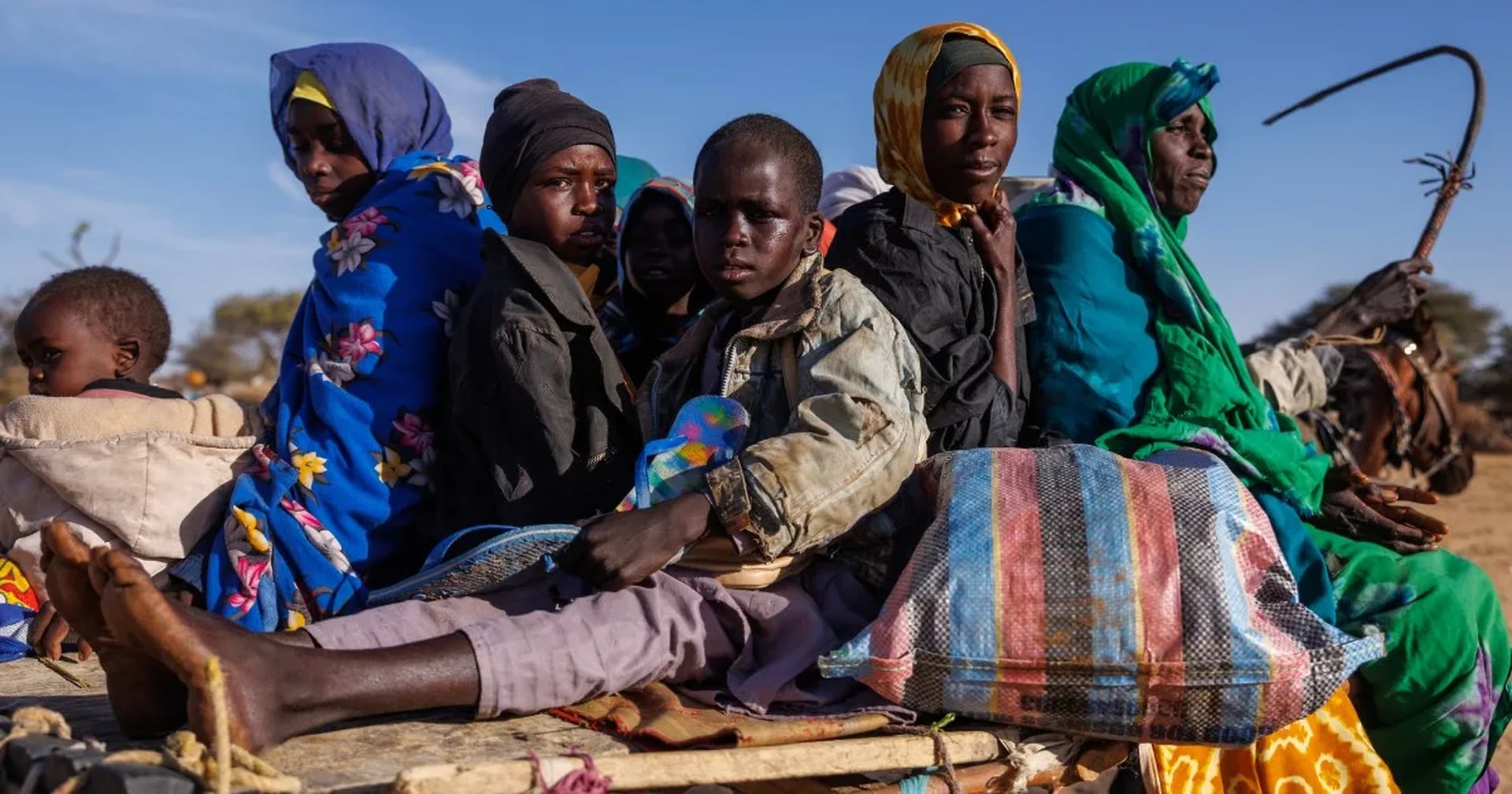
The protracted conflict in Sudan has reached a new and alarming intensity, with recent drone attacks inflicting a devastating toll on civilian populations and critical infrastructure. A recent strike on a bustling market in Sudan claimed the lives of 11 individuals, a stark reminder of the indiscriminate nature of modern warfare and its profound human cost. This incident is not isolated; it forms part of a broader pattern of violence that has seen over 200 civilians killed in recent days alone, as aerial bombardments and drone strikes tear through urban centers, impacting vital community spaces such as markets, schools, and hospitals.
The escalating use of drones in the conflict has introduced a new layer of complexity and danger for non-combatants. While proponents often cite precision capabilities, the reality on the ground frequently demonstrates otherwise, with civilian areas becoming battlegrounds and essential services caught in the crossfire. The psychological impact on communities living under the constant threat of aerial attack is immeasurable, fostering an environment of pervasive fear and insecurity that erodes the very fabric of daily life. Families are forced to make impossible choices, weighing the risks of seeking basic necessities against the ever-present danger of sudden violence.
Devastation of Health Infrastructure and Services
The impact on Sudan's already fragile healthcare system has been catastrophic. Reports indicate that numerous hospitals and clinics have been directly hit or rendered inoperable due to proximity to conflict zones, damage from shelling, or lack of essential supplies and personnel. Medical facilities, which under international humanitarian law are afforded special protection, are increasingly becoming targets or collateral damage. This not only deprives the wounded and sick of critical care but also exacerbates existing health challenges, including the management of chronic diseases and routine medical emergencies.
Displacement further strains health services. Millions have been forced from their homes, seeking refuge in overcrowded camps or makeshift settlements where sanitation is poor and access to clean water is limited. These conditions are ripe for the rapid spread of infectious diseases such as cholera, measles, and malaria, creating a public health crisis on top of the ongoing conflict. The breakdown of supply chains means that even basic medicines, vaccines, and medical equipment are scarce, leaving healthcare workers, who themselves are often displaced or working under extreme duress, with minimal resources to address overwhelming needs.
Beyond physical injuries and disease, the mental health crisis gripping Sudan is profound. Children, in particular, are exposed to unimaginable trauma, witnessing violence, losing loved ones, and experiencing constant fear. The long-term psychological scars of such experiences can hinder development, impair social functioning, and contribute to cycles of violence, demanding robust and sustained mental health support that is currently largely unavailable amidst the chaos.
The Erosion of Education and a Lost Generation
The education sector has also suffered immensely, threatening to create a lost generation of Sudanese children. Schools, once centers of learning and stability, have either been damaged or destroyed in attacks, or repurposed as shelters for internally displaced persons. This dual impact means that even where structures remain, they are often unavailable for their intended purpose, leaving millions of children out of school. The disruption to education extends beyond physical infrastructure; teachers have been displaced, salaries are unpaid, and the curriculum is impossible to deliver consistently.
The long-term consequences of this educational vacuum are dire. Without access to schooling, children are deprived of the foundational knowledge and skills necessary for their future development and for the eventual rebuilding of their nation. They become more vulnerable to recruitment by armed groups, child labor, and other forms of exploitation. The absence of routine and safe learning environments also robs children of a crucial sense of normalcy and psychological support during times of extreme stress, further compounding their trauma.
Moreover, the targeting of educational facilities undermines the very fabric of society, signaling a disregard for the future of the nation. The ability of a country to recover from conflict is inextricably linked to the education and human capital of its populace. By systematically dismantling the education system, the conflict not only inflicts immediate suffering but also mortgages Sudan's prospects for sustainable peace and development for decades to come.
Humanitarian Access and International Law
The escalating violence, particularly the targeting of civilian infrastructure, poses immense challenges for humanitarian organizations attempting to deliver aid. Access to affected populations is frequently hampered by active fighting, bureaucratic impediments, and the deliberate obstruction of aid convoys. This makes it exceedingly difficult to provide life-saving assistance, including food, water, shelter, and medical supplies, to those who need it most. The international community has a moral and legal obligation to ensure unhindered humanitarian access, yet this principle is routinely violated in the Sudanese conflict.
Under international humanitarian law, the targeting of civilians and civilian objects, including markets, schools, and hospitals, is strictly prohibited and may constitute war crimes. All parties to the conflict are bound by these laws, which are designed to protect non-combatants and preserve essential services even in times of war. The repeated disregard for these fundamental principles underscores a severe crisis of accountability and highlights the urgent need for independent investigations into alleged atrocities and for perpetrators to be held responsible.
A Global Call for Protection and Peace
The crisis in Sudan is a stark reminder of the global interconnectedness of human suffering and the imperative for collective action. The Nivaran Foundation emphasizes that the protection of civilians, particularly children, and the preservation of essential services like health and education, must be paramount. The international community cannot afford to remain silent as a nation's future is systematically dismantled by conflict. Urgent diplomatic efforts are required to secure a lasting ceasefire, ensure unhindered humanitarian access, and initiate a political process that addresses the root causes of the conflict.
Beyond immediate relief, sustained international support will be crucial for the long-term recovery and rebuilding efforts in Sudan. This includes investing in the restoration of health and education systems, providing psychosocial support for trauma-affected populations, and fostering environments conducive to peace and reconciliation. The devastating toll of drone warfare on Sudanese civilians, their health, and their children's education is a humanitarian catastrophe demanding immediate and resolute global attention and action. The future of a generation, and indeed the nation, hangs in the balance.
Support Nivaran Foundation's efforts to advocate for the protection of civilians and vital services in conflict zones worldwide.
Support this work