
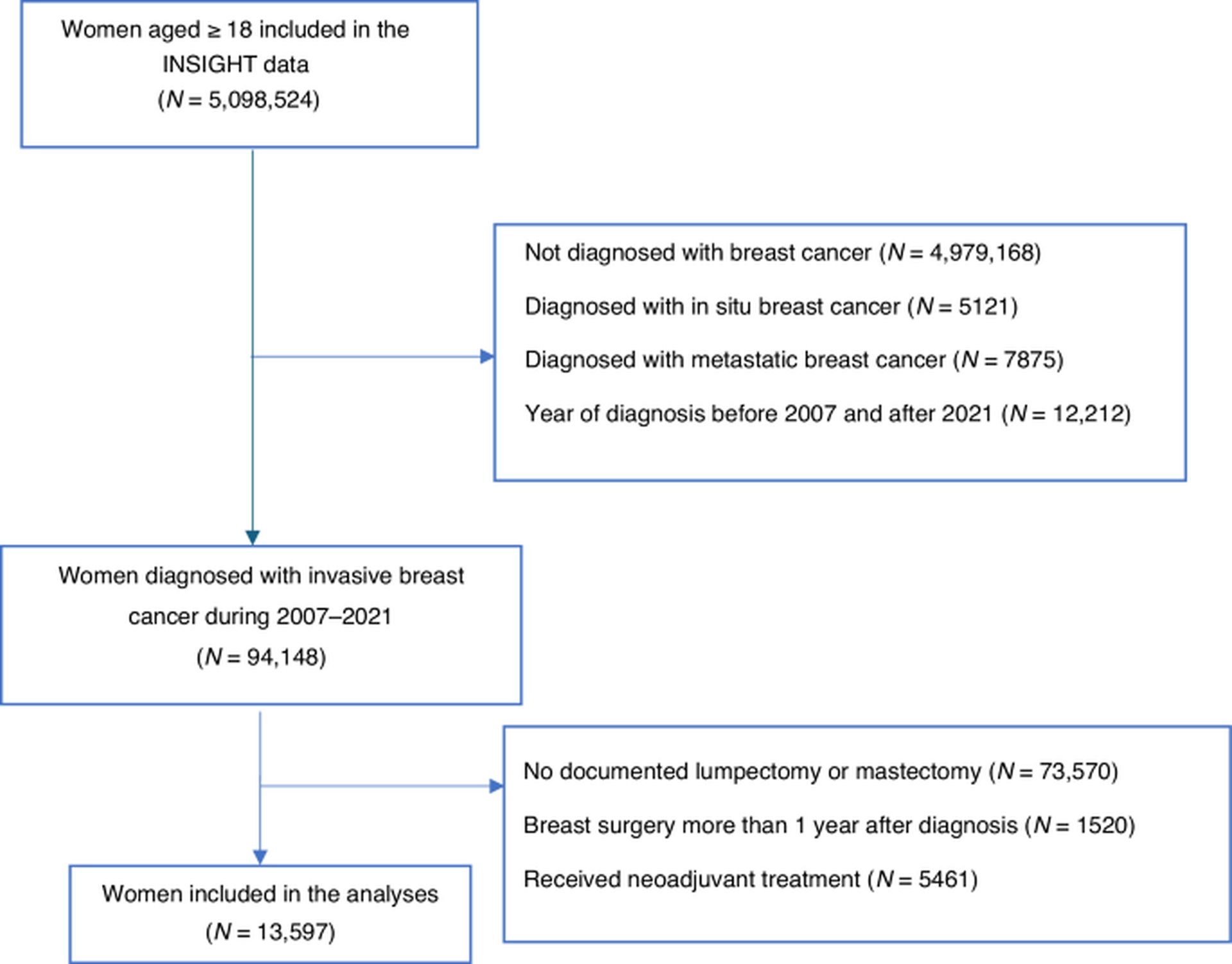
The global fight against breast cancer faces a formidable challenge beyond clinical diagnosis and treatment protocols: the pervasive influence of social drivers of health (SDOH) on timely surgical intervention. Recent findings, including research published in a leading scientific journal, underscore a critical reality: a patient's socioeconomic circumstances, educational background, geographic location, and community support systems profoundly dictate their ability to access life-saving breast cancer surgery without undue delay. This emerging understanding shifts the paradigm, demanding a holistic approach that recognizes healthcare as intricately linked to broader societal factors.
Breast cancer remains a leading cause of mortality among women worldwide, with early detection and prompt treatment, particularly surgery, being paramount for improved survival rates and quality of life. Delays in surgical intervention, however, can lead to disease progression, necessitating more aggressive and debilitating treatments, and ultimately, poorer prognoses. The research highlights that these delays are not merely a result of medical complexities or healthcare system capacity issues alone, but are significantly exacerbated by a complex web of non-medical factors that collectively constitute the social drivers of health.
Social Drivers of Health encompass the conditions in which people are born, grow, live, work, and age. These include economic stability, access to education, healthcare access and quality, neighborhood and built environment, and social and community context. Unlike traditional medical risk factors, SDOH are systemic and often deeply entrenched, reflecting societal inequities that manifest as barriers to optimal health outcomes. Understanding their specific impact on breast cancer care is crucial for developing equitable and effective global health strategies.
Economic stability, or the lack thereof, stands as a primary determinant of timely care. For countless individuals across the globe, a breast cancer diagnosis ushers in not only a health crisis but also a profound financial catastrophe. The inability to afford health insurance, or even the co-pays and deductibles associated with it, can directly delay diagnostic procedures and subsequent surgery. Beyond direct medical costs, patients often face indirect financial burdens: lost wages due to time off work for appointments, transportation costs to distant medical facilities, childcare expenses, and the inability to afford nutritious food or stable housing, all of which can take precedence over or impede consistent engagement with the healthcare system. These economic pressures force agonizing choices, often leading to deferral of critical treatment until the disease has progressed, making intervention more complex and less effective.
Education access and quality, alongside health literacy, play an equally vital role. Individuals with lower educational attainment may possess limited health literacy, making it challenging to understand complex medical information, recognize early symptoms of breast cancer, or navigate the often-intimidating healthcare bureaucracy. Language barriers further compound this issue, preventing effective communication with healthcare providers and hindering informed decision-making. A lack of understanding about the importance of timely intervention or the available treatment options can lead to procrastination in seeking care, missing appointments, or failing to adhere to pre-surgical requirements, thereby contributing to significant delays.
Access to quality healthcare services is another formidable SDOH. This encompasses not just the availability of hospitals and clinics, but also the presence of specialized oncology services, trained surgeons, and diagnostic equipment. In many rural or underserved global regions, geographic isolation means patients must travel vast distances, often at great personal expense and logistical difficulty, to reach appropriate facilities. Even in urban centers, long wait times for specialist consultations or surgical slots, a shortage of healthcare professionals, or systemic biases within the healthcare system can create bottlenecks. Furthermore, the quality of care can vary dramatically, with some facilities lacking the necessary resources or expertise for optimal breast cancer management, leading to referrals and further delays.
The neighborhood and built environment also profoundly influence health outcomes. Proximity to reliable transportation, access to safe housing, and exposure to environmental hazards can indirectly affect a patient's health status and their ability to access care. For instance, living in an area with inadequate public transport can make it impossible for patients without personal vehicles to attend appointments. A lack of safe, walkable environments or exposure to pollutants can contribute to overall poorer health, potentially complicating surgical recovery. Moreover, the social and community context—the strength of social networks, community trust in healthcare institutions, and prevailing cultural beliefs—can significantly impact a patient's journey. Strong social support can facilitate access to care, provide emotional resilience, and help navigate logistical challenges. Conversely, communities with a history of mistrust in medical systems, or those where cultural norms discourage open discussion of illness, may see individuals delay seeking help, fearing stigma or misunderstanding.
The global implications of these findings are stark. While the specific manifestations of SDOH may vary between high-income countries (HICs) and low- and middle-income countries (LMICs), the underlying mechanisms of delay are universal. In LMICs, resource scarcity, weak health infrastructure, and widespread poverty often exacerbate these challenges, leading to more profound and widespread delays. However, even within HICs, significant disparities exist along socioeconomic and racial lines, demonstrating that no nation is immune to the impact of SDOH on equitable cancer care. The ultimate consequence of these delays is a tragic increase in advanced-stage diagnoses, reduced treatment efficacy, higher rates of recurrence, and ultimately, preventable deaths.
Addressing these systemic inequities requires a multi-faceted, collaborative, and globally coordinated approach. Policy interventions must focus on strengthening social safety nets, expanding health insurance coverage, and investing in public transportation and infrastructure in underserved areas. Healthcare systems need to adopt integrated care models that proactively screen for and address SDOH, perhaps through community health worker programs that bridge the gap between clinics and communities. Health education initiatives, tailored to diverse linguistic and cultural contexts, are crucial for improving health literacy and empowering individuals to seek timely care. Furthermore, fostering partnerships between governments, non-governmental organizations like the Nivaran Foundation, and local communities is essential to build trust, dismantle barriers, and create supportive environments where timely breast cancer surgery is a reality, not a privilege.
The research serves as a powerful call to action, urging global health stakeholders to move beyond purely clinical interventions and embrace a broader understanding of health. Ensuring timely access to breast cancer surgery is not merely a medical challenge; it is a fundamental issue of social justice and human rights. By systematically addressing the social drivers of health, the global community can make significant strides toward achieving health equity, ensuring that every individual, regardless of their circumstances, has the opportunity to receive life-saving care without delay, thereby transforming the landscape of breast cancer outcomes worldwide.
Support Nivaran Foundation's global initiatives to dismantle health inequities and ensure timely access to life-saving care for all, everywhere.
Support this work