Nivaran Logo
News

Nepal's Youth Games: A Catalyst for Educational and Health Advancement

Hosting international youth sports events offers a unique platform to bolster physical education and public health initiatives across the Himalayan nation.

Nepal's Youth Games: A Catalyst for Educational and Health Advancement

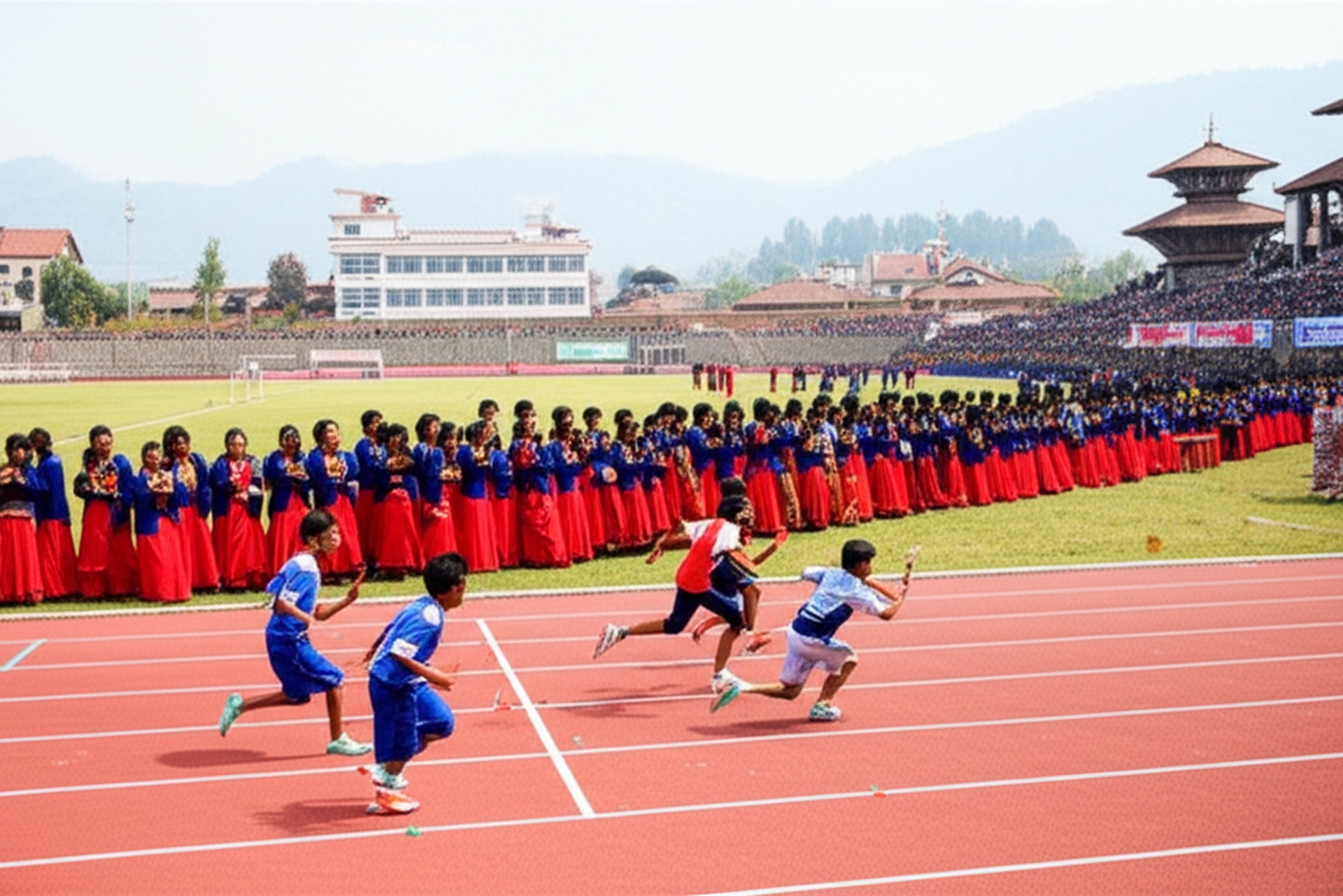
Nepal, a nation increasingly asserting its presence on the global stage, is currently experiencing a significant moment in its youth development trajectory as it hosts the much-anticipated Youth Games. While the participation of international athletes, such as a student from Ujire SDM school representing India, garners headlines abroad, the true essence and profound impact of these games resonate deeply within Nepal itself. For the Himalayan nation, these games are far more than mere athletic competitions; they represent a pivotal opportunity to galvanize its educational system, enhance public health initiatives, and foster a new generation of well-rounded, active citizens. The decision to host such an international youth event underscores Nepal's commitment to investing in its future, recognizing the multifaceted benefits that sports can bring to societal progress and individual well-being. This strategic embrace of youth sports is poised to leave an indelible mark on the nation's social fabric, particularly in the critical sectors of education and health.

The educational dividends of hosting the Youth Games are substantial and far-reaching. Beyond the immediate thrill of competition, these events serve as powerful pedagogical tools, instilling invaluable life skills in young participants and observers alike. Sports inherently teach discipline, perseverance, teamwork, and leadership – qualities that are indispensable for academic success and personal growth. For Nepali students, the exposure to international sporting standards and diverse cultures through these games offers an unparalleled learning experience. It broadens their horizons, encourages a global perspective, and cultivates a sense of healthy competition and camaraderie. The Ministry of Education, Science and Technology, in collaboration with the Ministry of Youth and Sports, views these games as a crucial catalyst for reinvigorating physical education curricula across the country. There is a growing emphasis on moving beyond traditional, often rudimentary, physical training to a more comprehensive approach that integrates sports science, nutrition, and mental well-being into school programs. This shift aims to make physical education a more engaging and impactful subject, ensuring that all students, regardless of their athletic prowess, understand the importance of an active lifestyle.

Furthermore, the Youth Games provide a tangible platform for talent identification and development within Nepal’s educational institutions. Schools, from primary levels to higher secondary, are encouraged to establish or strengthen their sports clubs and academies, offering structured training and mentorship to promising young athletes. This grassroots development is vital for building a sustainable sports ecosystem. The presence of international coaches, trainers, and athletes during the games can also inspire local educators and sports professionals, leading to knowledge transfer and the adoption of best practices in coaching methodologies and sports management. Such exchanges are invaluable for elevating the overall standard of sports education in Nepal, creating pathways for talented Nepali youth to pursue sports professionally, potentially representing their nation on future international platforms. The long-term vision is to integrate sports more deeply into the academic framework, recognizing it not as an extracurricular activity but as an integral component of holistic education that contributes significantly to cognitive development, emotional intelligence, and social skills.

From a public health perspective, the Youth Games are a potent instrument for promoting healthier lifestyles among Nepal's younger demographic. In an era increasingly dominated by digital screens and sedentary habits, the games serve as a vibrant reminder of the importance of physical activity. They inspire children and adolescents to step away from their devices and engage in active play and organized sports. The Ministry of Health and Population, in conjunction with the National Sports Council, is leveraging the momentum generated by these games to launch nationwide public health campaigns. These campaigns focus on raising awareness about the benefits of regular exercise, balanced nutrition, and the prevention of non-communicable diseases such as obesity, diabetes, and cardiovascular issues, which are becoming increasingly prevalent even among younger populations globally. By showcasing the peak physical condition and dedication of young athletes, the games provide aspirational role models, encouraging a broader participation in sports and physical activities across communities.

The mental health benefits associated with sports participation are equally significant, particularly for youth navigating the complexities of adolescence. Engaging in sports can alleviate stress, reduce symptoms of anxiety and depression, and foster a sense of accomplishment and self-esteem. The structured environment of team sports, in particular, promotes social interaction, builds resilience, and teaches valuable coping mechanisms. For Nepali youth, who may face various socio-economic challenges, sports offer a healthy outlet for expression and personal development. The Youth Games, by bringing together young people from diverse backgrounds, also contribute to social cohesion and understanding, breaking down barriers and fostering a sense of shared identity and purpose. This holistic approach to health, encompassing both physical and mental well-being, is a cornerstone of Nepal's broader public health strategy, aiming to cultivate a resilient and healthy future generation capable of contributing meaningfully to national development.

Beyond the direct impacts on education and health, hosting an event of this magnitude necessitates significant investment in infrastructure development, which brings its own set of benefits. The upgrading and construction of sports facilities – stadiums, training grounds, gymnasiums, and accommodation – not only serve the immediate needs of the games but also leave a lasting legacy for future generations of Nepali athletes and the wider community. These improved facilities provide modern venues for local competitions, training camps, and community sports programs, ensuring that the benefits extend far beyond the duration of the international event. Such infrastructure development also stimulates local economies, creating employment opportunities in construction, hospitality, and event management sectors. The influx of international visitors, including athletes, coaches, officials, and spectators, further boosts tourism and provides a platform for Nepal to showcase its rich cultural heritage and natural beauty to a global audience, enhancing its international standing and fostering goodwill.

However, the journey towards fully leveraging these opportunities is not without its challenges. Sustained funding remains a critical hurdle for developing comprehensive sports education programs and maintaining world-class facilities. Ensuring equitable access to sports for youth from remote and rural areas, where resources are often scarce, requires targeted interventions and innovative solutions. Gender equality in sports participation and leadership also needs continuous attention, breaking down societal barriers that might limit girls' involvement in athletic pursuits. The long-term sustainability of the initiatives launched in conjunction with the Youth Games is paramount; the enthusiasm generated must be translated into enduring policies and programs that continue to nurture talent and promote health long after the international spotlight fades. The government, through its various ministries and the National Sports Council, is actively seeking partnerships with international sports organizations, NGOs, and private sector entities to address these challenges and build a robust, inclusive sports ecosystem.

The Youth Games in Nepal, therefore, stand as a testament to the nation's aspirations for its young people. They embody a strategic vision where sports are not merely a leisure activity but a powerful vehicle for educational enrichment, public health improvement, and national development. By providing a platform for young athletes to excel, fostering cross-cultural understanding, and inspiring healthier lifestyles, Nepal is laying the groundwork for a more vibrant, resilient, and globally connected generation. The legacy of these games will be measured not just in medals won or records broken, but in the enduring impact on the lives of countless Nepali youth, empowering them with the skills, confidence, and health to thrive in an ever-evolving world. This commitment reflects a profound understanding that a nation's strength is intrinsically linked to the health, education, and vitality of its future leaders and citizens.

If this moved you, share it
FacebookLinkedInXWhatsApp

Support Nivaran Foundation's efforts to expand sports education and health programs for children and youth across Nepal, building a stronger future.

Support this work

Nivaran logo
Nivaran Foundation Nepal Desk

The Nivaran Foundation Nepal desk provides in-depth analysis and reporting on critical health and education issues impacting communities throughout Nepal.

InstagramFacebookLinkedInX
More from the field
News
Global Cancer Survival Rises Amidst Stark Health Equity Challenges
News
Global Health and Education Watch: Colman McCarthy, 87, Journalist Who Waged Peace in the
News
US Senators Urge Probe into Deadly Attack on Iranian Girls' School