
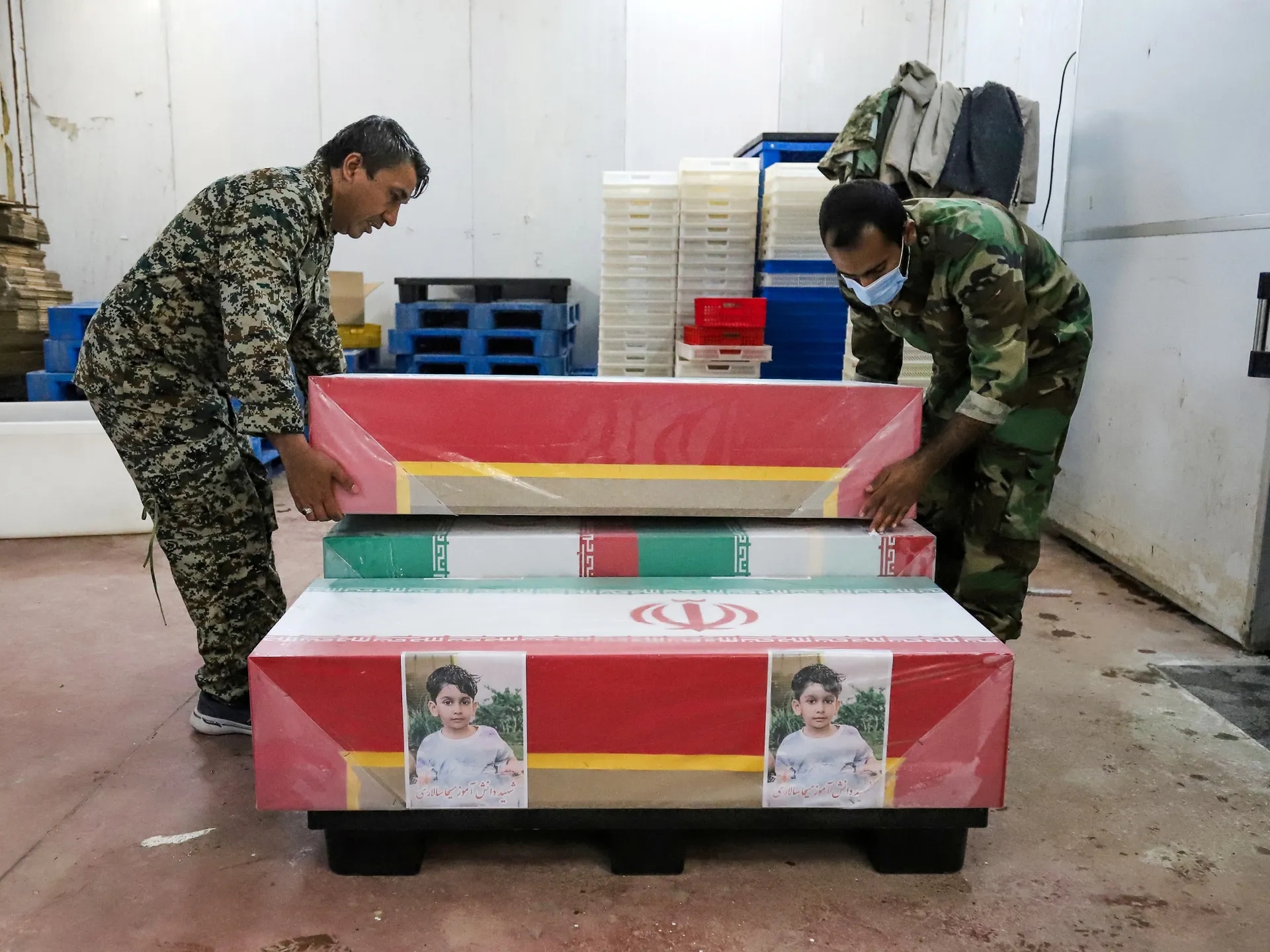
The global community has been shaken by the devastating news of a bombing at a girls' school in Minab, Iran, an attack described by leading international figures as “appalling.” The incident, which tragically claimed the lives of at least 170 people, has ignited widespread condemnation and urgent calls for a thorough investigation. This egregious act of violence against an educational institution underscores the persistent threats faced by students and educators in various parts of the world, highlighting the critical need for enhanced protection of learning environments. The sheer scale of the casualty count in Minab has sent shockwaves, particularly given that the victims were primarily young girls, whose fundamental right to education and safety was brutally violated.
In the wake of this tragedy, top Democrats in the United States Senate have swiftly moved to demand a comprehensive and impartial review of the Minab school bombing. Their insistence on a full investigation reflects a shared international consensus that such an atrocity cannot go unaddressed. The senators emphasized that the circumstances surrounding the attack, its perpetrators, and the full extent of its impact must be meticulously examined to ensure accountability and prevent future occurrences. This call from a significant legislative body underscores the gravity with which the international community views attacks on civilian infrastructure, especially those targeting children and educational facilities. It is a clear message that the targeting of schools is an unacceptable breach of humanitarian principles and international law, demanding a robust and transparent response from all relevant authorities. The demand for impartiality is crucial, aiming to ensure that any investigation is free from political interference and focuses solely on uncovering the truth and delivering justice for the victims.
The human cost of the Minab bombing is immeasurable, extending far beyond the immediate fatalities. The loss of at least 170 lives, predominantly young girls with futures full of promise, represents an unfathomable tragedy for their families, their community, and the nation as a whole. Beyond the immediate fatalities, countless others would have sustained injuries, both physical and psychological, the scars of which may last a lifetime. Survivors, witnesses, and the broader community will grapple with profound trauma, grief, and fear, impacting their mental health and sense of security for years to come. Such an attack not only extinguishes individual lives but also shatters the collective sense of safety and hope within a community. For those who survived, the very place that was once a sanctuary of learning has become a site of terror, irrevocably altering their perception of education and their environment. The psychological impact on children, in particular, can be devastating, leading to long-term anxiety, post-traumatic stress, and a reluctance to return to school, thereby disrupting their educational trajectory and overall development.
This incident in Minab is unfortunately not an isolated event but rather a stark reminder of a disturbing global trend where education is increasingly becoming a casualty of conflict and violence. Across various regions, schools are deliberately targeted for a multitude of reasons: ideological opposition to education, particularly for girls; strategic military advantage; or simply as acts of terror to destabilize communities and governments. From bombings and arson to the abduction of students and teachers, attacks on educational institutions deprive millions of children of their fundamental right to learn, crippling their future prospects and perpetuating cycles of poverty and instability. These acts undermine the very foundations of society, as education is a cornerstone of development, peace, and progress. When schools are destroyed or rendered unsafe, the entire social fabric suffers, hindering economic growth, fostering radicalization, and eroding social cohesion. The long-term consequences include a generation deprived of essential skills, hindering national development and increasing vulnerability to exploitation.
International law unequivocally protects schools and students, even in times of armed conflict. The Geneva Conventions and their Additional Protocols establish clear principles for the protection of civilians and civilian objects, including educational facilities. These principles mandate distinction, requiring parties to a conflict to differentiate between civilian and military objects, and proportionality, which prohibits attacks where the expected civilian harm outweighs the anticipated military advantage. The deliberate targeting of schools, especially those filled with children, constitutes a grave violation of these foundational tenets of international humanitarian law. Furthermore, the Safe Schools Declaration, an intergovernmental commitment, provides a framework for states to protect students, teachers, schools, and universities from attack during armed conflict. It calls on states to endorse and implement guidelines for protecting schools and universities from military use during armed conflict, and to collect data on attacks on education. The Minab bombing represents a blatant disregard for these established norms and legal frameworks, underscoring the urgent need for robust enforcement and accountability mechanisms.
The specific targeting of a girls' school in Minab carries particularly alarming implications for gender equality and the advancement of girls' education. In many parts of the world, girls already face significant barriers to accessing education, including cultural norms, poverty, and insecurity. Attacks like the one in Minab exacerbate these challenges, creating an environment of fear that can deter parents from sending their daughters to school, or force girls to drop out altogether. This not only robs individual girls of their potential but also sets back decades of progress in empowering women and girls through education. Educating girls has a transformative ripple effect on communities, leading to improved health outcomes, reduced child mortality, increased economic productivity, and greater civic participation. When girls' schools are attacked, it is not just an assault on education; it is an assault on the very fabric of societal progress and a direct challenge to the universal right of every child, regardless of gender, to learn and thrive in a safe environment. The psychological toll on girls, who may internalize the message that their pursuit of knowledge makes them targets, can be profound and long-lasting.
In light of such egregious acts, the role of international advocacy becomes paramount. Organizations like Nivaran Foundation stand firm in their commitment to championing the protection of educational spaces and ensuring that the right to education is upheld for every child, everywhere. We believe that global solidarity and sustained pressure are essential to hold perpetrators accountable, deter future attacks, and support communities in rebuilding their educational infrastructure and restoring hope. Our mission is to amplify the voices of those affected, to advocate for stronger international protections, and to work towards a world where schools are inviolable sanctuaries of learning, free from the shadow of violence. The Minab incident serves as a tragic reminder that the fight for universal education is inextricably linked to the fight for peace and security.
The Minab school bombing is a profound tragedy that demands a unified global response. The call from US senators for a full and impartial investigation is a crucial step towards accountability and justice for the victims and their families. It is an urgent reminder that education is not merely a privilege but a fundamental human right, and its protection must be a top priority for governments and international bodies alike. As the world mourns the innocent lives lost, there must be an unwavering commitment to ensuring that such appalling attacks never recur. The global community must stand together to condemn all forms of violence against education, to strengthen protective measures for schools, and to foster environments where every child can learn, grow, and realize their full potential without fear. The future of generations depends on our collective resolve to safeguard the sanctity of learning.
Support Nivaran Foundation's efforts to protect educational spaces and ensure children's right to learn, even in the face of adversity.
Support this work