
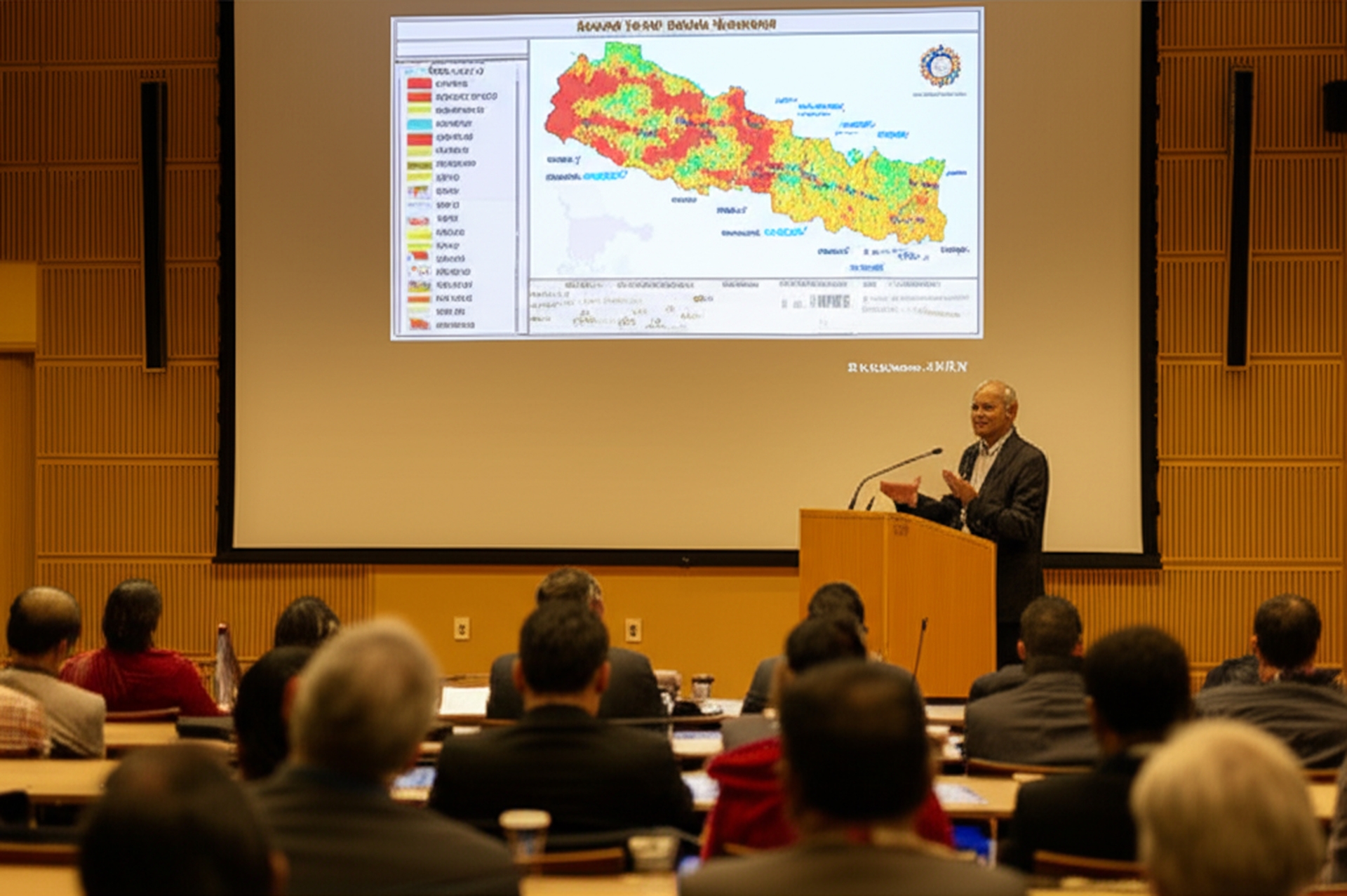
In the dynamic landscape of global health, Nepal stands at a critical juncture, navigating a complex web of traditional health challenges alongside emerging threats. At the forefront of this national endeavor is Dr. Meghnath Dhimal, a distinguished Nepali public health expert whose extensive work has not only illuminated the country's health priorities but also forged vital international collaborations. His engagement with prestigious institutions like the Yale School of Public Health underscores the growing recognition of Nepal's unique public health context and the imperative for global knowledge exchange to foster local solutions.
Dr. Dhimal's contributions are particularly significant as Nepal grapples with a dual burden of disease. While infectious diseases and maternal and child health issues continue to demand attention, the nation is simultaneously witnessing a rapid rise in non-communicable diseases (NCDs) and the pervasive, often devastating, impacts of climate change on public health. His research and advocacy efforts provide a crucial bridge between scientific understanding and actionable policy, aiming to build a more resilient and healthier future for all Nepalis. The insights garnered from such international dialogues are instrumental in adapting global best practices to Nepal's specific socio-economic and geographical realities, ensuring that health interventions are both effective and sustainable.
Climate Change: A Looming Health Crisis in Nepal
One of Dr. Dhimal's most prominent areas of expertise lies in the intricate relationship between climate change and health, a critical concern for a geographically diverse and climate-vulnerable nation like Nepal. The country's varied topography, from the low-lying Terai plains to the high Himalayan peaks, exposes its population to a spectrum of climate-induced health risks. Rising global temperatures and erratic weather patterns are directly contributing to the expansion of vector-borne diseases. Dengue fever, once largely confined to the Terai, is now increasingly reported in higher altitudes and urban centers, including the Kathmandu Valley, as mosquitoes find new suitable habitats. Similarly, the incidence of malaria and kala-azar, though historically prevalent, faces new challenges with shifting ecological zones.
Beyond vector-borne illnesses, climate change exacerbates the burden of water-borne diseases. Unpredictable rainfall, characterized by intense downpours followed by prolonged dry spells, compromises water quality and sanitation infrastructure. Floods contaminate water sources, leading to outbreaks of cholera, typhoid, and dysentery, particularly in densely populated areas and informal settlements. Conversely, droughts create water scarcity, forcing communities to rely on unsafe alternatives. These environmental shifts also threaten food security, impacting agricultural yields and livestock, which in turn leads to malnutrition, especially among vulnerable populations in remote hill and mountain regions. The direct health consequences of extreme weather events, such as injuries and displacement from floods and landslides, and heat-related illnesses during increasingly frequent heatwaves, further strain an already stretched healthcare system. Dr. Dhimal's work emphasizes the urgent need for robust surveillance systems, early warning mechanisms, and climate-resilient health infrastructure to mitigate these escalating threats.
The Rising Tide of Non-Communicable Diseases
While climate change presents an existential threat, Nepal is also contending with a silent epidemic: the burgeoning crisis of non-communicable diseases. NCDs, including cardiovascular diseases, diabetes, various cancers, and chronic respiratory illnesses, are rapidly becoming the leading causes of morbidity and mortality in the country. This epidemiological transition is driven by a confluence of factors, including rapid urbanization, changing dietary patterns, sedentary lifestyles, and increased exposure to risk factors such as tobacco and alcohol use. The shift from traditional agrarian lifestyles to more urbanized settings has brought with it both opportunities and new health challenges.
Addressing NCDs in Nepal is particularly complex, given that the healthcare system is still developing its capacity to manage chronic conditions alongside acute infectious diseases. Many individuals, especially in rural and remote areas, lack access to early diagnostic services, specialized treatment, and long-term care. The financial burden of NCDs, often requiring lifelong medication and repeated hospital visits, can push families into poverty. Public health strategies, informed by experts like Dr. Dhimal, advocate for comprehensive prevention programs focusing on health education, promoting healthy diets and physical activity, and implementing stricter controls on tobacco and alcohol. Furthermore, strengthening primary healthcare facilities to offer basic NCD screening and management is crucial to detect these conditions early and prevent severe complications, thereby reducing the overall societal and economic impact of these diseases.
Strengthening Healthcare Infrastructure and Access
The effectiveness of any public health intervention in Nepal hinges on the strength and accessibility of its healthcare infrastructure. Despite significant progress over the past decades, substantial challenges persist, particularly in ensuring equitable access to quality care across the nation's diverse geographical terrain. Remote mountain and hill districts often face severe shortages of healthcare professionals, essential medicines, and basic diagnostic equipment. Geographical barriers, exacerbated by poor road networks and difficult terrain, mean that many communities are hours, if not days, away from the nearest health facility. Financial barriers also remain a significant hurdle, with high out-of-pocket expenses for healthcare often deterring individuals from seeking timely medical attention.
The government of Nepal, alongside various national and international partners, is actively working to address these systemic issues. Initiatives focus on decentralizing health services, strengthening primary healthcare centers, and empowering community health workers, such as the dedicated Female Community Health Volunteers (FCHVs), who play an indispensable role in delivering basic health services and health education at the grassroots level. Dr. Dhimal's work, often in collaboration with institutions like the Nepal Health Research Council (NHRC), contributes to evidence-based policy formulation aimed at improving health service delivery, optimizing resource allocation, and enhancing the training and retention of healthcare personnel. The goal is to build a robust, resilient, and equitable health system capable of responding to both current and future health crises, ensuring that no Nepali is left behind due to their location or economic status.
The Role of Research and International Collaboration
In a country facing multifaceted health challenges, robust health research is not merely an academic pursuit but a fundamental necessity for informing evidence-based policies and interventions. Dr. Meghnath Dhimal's extensive body of work exemplifies the critical role of local research in understanding Nepal's unique health landscape and developing context-specific solutions. His studies on climate change impacts, disease epidemiology, and public health interventions provide invaluable data that guide national health strategies and resource allocation. This emphasis on locally generated evidence ensures that policies are not just theoretical constructs but are grounded in the lived realities and specific needs of Nepali communities.
Furthermore, international collaborations, such as the engagement with the Yale School of Public Health, are pivotal in accelerating Nepal's public health progress. These partnerships facilitate crucial knowledge transfer, allowing Nepali researchers and policymakers to access cutting-edge methodologies, advanced technologies, and global best practices. They also offer opportunities for capacity building, training the next generation of public health leaders and researchers within Nepal. Such collaborations elevate Nepal's voice on the global health stage, fostering a two-way exchange where local insights can also inform global health discourse. Beyond academic exchange, these partnerships often unlock vital funding opportunities for critical research projects and on-the-ground health interventions, enabling Nepal to tackle complex health issues more effectively and sustainably. By integrating global expertise with local understanding, Nepal can forge innovative pathways towards a healthier future for its citizens.
Charting a Healthier Future for Nepal
Nepal's journey towards comprehensive public health security is an ongoing process, marked by both significant achievements and persistent challenges. The dedicated efforts of professionals like Dr. Meghnath Dhimal, who bridge the gap between local realities and global scientific discourse, are indispensable in this endeavor. His work highlights the interconnectedness of environmental health, disease patterns, and healthcare infrastructure, advocating for holistic and integrated approaches to public health. As Nepal continues to navigate the complexities of climate change, the rise of NCDs, and the imperative to strengthen its healthcare system, the insights and collaborations fostered by experts like Dr. Dhimal will be crucial.
Building a truly healthy Nepal requires sustained investment in research, robust policy frameworks, and unwavering commitment to equitable healthcare access for all citizens. It demands a collective effort from government bodies, academic institutions, civil society organizations, and international partners. By embracing evidence-based strategies, fostering innovation, and empowering communities, Nepal can continue to make strides towards a future where every individual has the opportunity to live a healthy and productive life. The path ahead is challenging, but with dedicated leadership and collaborative spirit, a healthier Nepal is an achievable vision.
Support Nivaran Foundation's initiatives to bolster public health awareness and infrastructure in Nepal, inspired by the dedication of experts like Dr. Dhimal.
Support this work