Nivaran Logo
News

Nepal's Health Tapestry: Weaving Traditional Wisdom with Modern Care

Exploring how ancient beliefs and community narratives shape public health outcomes across Nepal's diverse landscapes.

Nepal's Health Tapestry: Weaving Traditional Wisdom with Modern Care

In the rugged landscapes and vibrant communities of Nepal, health and illness are not merely biological states but deeply interwoven tapestries of cultural beliefs, ancestral wisdom, and lived experiences. These narratives, passed down through generations, shape how individuals perceive well-being, seek care, and cope with adversity. For a nation grappling with diverse geographical challenges, socio-economic disparities, and a rich mosaic of ethnic groups, understanding these indigenous health narratives is paramount to fostering effective and sustainable healthcare systems. The way a community articulates its understanding of disease, healing, and prevention directly influences the success of any public health intervention. It's a dialogue between ancient traditions and modern medical science, often playing out in remote villages where access to formal healthcare is a distant dream, and local healers remain the primary source of solace and remedy.

Across the Himalayan foothills, the Terai plains, and the mid-hills, traditional healing practices form the bedrock of community health narratives. From the herbal remedies meticulously gathered by local vaidyas to the spiritual interventions of jhankris (shamans) and dhamis, these practices are not seen as alternatives but as integral components of holistic well-being. Illness is often attributed not just to physical causes but also to spiritual imbalances, malevolent spirits, or karmic repercussions. A fever might be treated with a blend of medicinal plants, but simultaneously, a ritual might be performed to appease an offended deity. These narratives provide a comprehensive framework for understanding suffering and recovery, offering not just physical treatment but also psychological and spiritual comfort. The trust placed in these traditional healers is immense, often surpassing that in distant, unfamiliar modern clinics. Their stories of healing, passed orally, reinforce community bonds and cultural identity, making them powerful custodians of health knowledge.

The geographical topography of Nepal profoundly influences these narratives. In remote mountain villages, where a journey to the nearest health post can take days on foot, communities are compelled to rely on their inherent wisdom and local resources. The absence of all-weather roads, limited transportation, and a scarcity of trained medical personnel mean that serious health conditions often go undiagnosed or untreated by modern medicine. Here, the narrative shifts from seeking specialized care to making do with what is available – a reliance on traditional birth attendants, local herbalists, and community support networks. For instance, in districts like Humla or Dolpa, stories of arduous treks carrying sick family members on makeshift stretchers are common, underscoring the resilience and resourcefulness born out of necessity. These narratives highlight a stark reality: healthcare access is not a given, but a privilege, and communities adapt by strengthening their internal systems of care and knowledge transmission.

Into this complex landscape, public health initiatives often arrive with a different set of narratives—those rooted in scientific evidence and global best practices. Campaigns for vaccination, improved sanitation, maternal and child health, and family planning aim to introduce new behaviors and understandings. The challenge lies in harmonizing these scientific narratives with deeply ingrained local beliefs. For example, convincing a community that attributes childhood illnesses to 'evil eye' to embrace vaccination requires more than just presenting facts; it demands culturally sensitive communication that acknowledges and respects existing beliefs while gently introducing new perspectives. Successful interventions often involve adapting messages, using local dialects, and engaging community leaders and traditional healers to act as advocates. When these two narrative streams converge effectively, the impact on public health can be transformative, but a disconnect can lead to resistance and mistrust, undermining even the most well-intentioned programs.

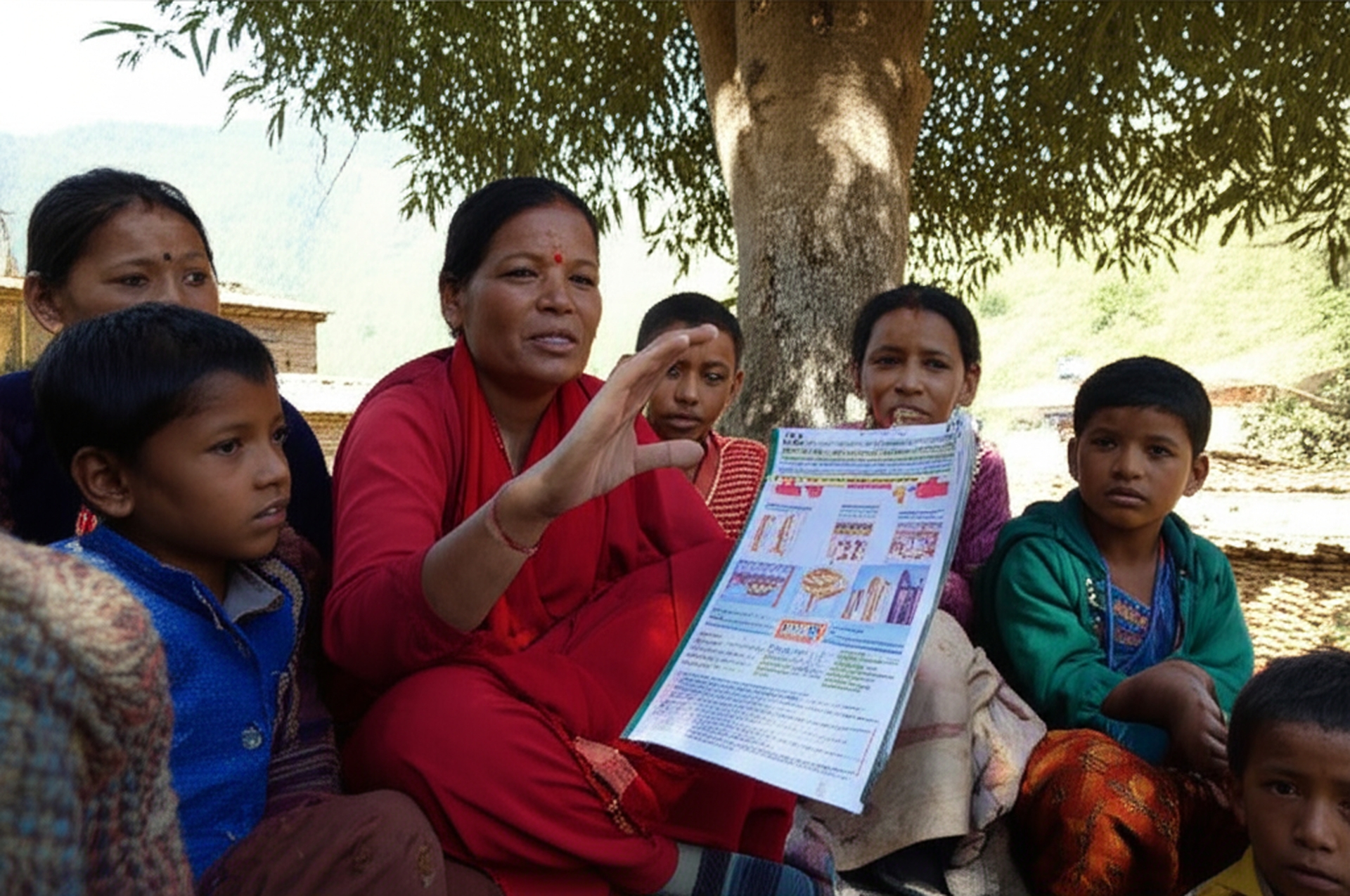
A pivotal bridge in this narrative translation are Nepal's dedicated Female Community Health Volunteers (FCHVs). These women, drawn from the very communities they serve, embody the fusion of local understanding and modern health principles. They walk miles daily, carrying essential health messages, contraceptives, and basic medicines to doorsteps. Their effectiveness stems from their ability to speak the local language, understand cultural nuances, and build trust within their communities. An FCHV doesn't just deliver a message; she frames it within the context of local life, using familiar analogies and respecting traditional practices. For instance, when discussing antenatal care, an FCHV might explain the benefits in terms of ensuring a healthy future for the family, aligning with deeply held desires for progeny and well-being, rather than solely focusing on clinical outcomes. Their personal stories of overcoming challenges and bringing health awareness to their neighbors become powerful narratives of change and empowerment within the community.

Nepal's susceptibility to natural disasters, from the devastating 2015 earthquake to annual monsoon floods and landslides, further shapes health narratives. These events introduce sudden, traumatic shifts in community health, leading to new stories of resilience, loss, and recovery. Post-disaster health interventions must contend with narratives of trauma, displacement, and altered social structures. Climate change, too, is subtly reshaping health narratives, particularly in agricultural communities. Changing weather patterns impact food security, leading to narratives of malnutrition and vulnerability. Increased incidence of vector-borne diseases due to rising temperatures creates new anxieties and demands for adaptive health strategies. These environmental shifts compel communities to re-evaluate their traditional understandings of health and disease, often seeking new explanations and solutions in the face of unprecedented challenges, thereby adding layers of complexity to existing health stories.

The narrative surrounding mental health in Nepal is particularly sensitive. Traditionally, mental illness has often been shrouded in stigma, frequently attributed to supernatural causes or personal weakness, leading to silence and isolation for those affected. Seeking help for mental health issues has been historically difficult, with individuals often resorting to traditional healers or keeping their struggles hidden. However, this narrative is slowly but surely evolving. Community-based mental health programs, often spearheaded by NGOs and local health workers, are working to demystify mental illness, framing it as a treatable condition rather than a curse. By sharing stories of recovery and normalizing conversations around emotional well-being, these initiatives are gradually chipping away at stigma, encouraging individuals to seek support. The shift is slow, but the emerging narrative of hope and acceptance is crucial for a nation where mental health services remain largely underserved.

A new dimension to Nepal's health narratives is emerging with the younger generation and the increasing penetration of digital technology. While traditional stories continue to hold sway, young Nepalis, armed with smartphones and internet access, are exposed to global health information, medical advice, and diverse perspectives on well-being. This creates a fascinating interplay: how do traditional beliefs about health coexist with information gleaned from social media or online forums? While this access can empower individuals with knowledge, it also presents challenges, such as the spread of misinformation. The narrative here is one of negotiation and integration, as young people navigate between ancestral wisdom and the vast, often unfiltered, digital health landscape, potentially forging hybrid understandings of health that blend the old with the new.

Organizations like the Nivaran Foundation recognize the profound importance of these diverse narratives. Our work on the ground in Nepal is not just about delivering services but about listening, understanding, and collaborating with communities to co-create health solutions that are culturally appropriate and sustainable. By supporting FCHVs, facilitating community dialogues, and advocating for policies that respect local knowledge while integrating modern medical advancements, Nivaran Foundation aims to empower communities to shape their own positive health futures. We believe that true health transformation begins by acknowledging and building upon the rich tapestry of stories that define well-being in every Nepali village.

Ultimately, shaping health and illness narratives in Nepal is an intricate, ongoing process. It requires more than just clinical expertise; it demands deep cultural empathy, respect for traditional wisdom, and a commitment to empowering local voices. By understanding how Nepalis perceive, discuss, and respond to health challenges within their unique contexts, we can build more resilient, responsive, and equitable healthcare systems. The future of health in Nepal lies in fostering a collaborative narrative where ancient wisdom and modern science walk hand-in-hand, ensuring that every individual's story of health and healing is heard, valued, and supported.

If this moved you, share it
FacebookLinkedInXWhatsApp

Support Nivaran Foundation's efforts to empower Nepali communities by fostering culturally sensitive health solutions and strengthening local healthcare narratives.

Support this work

Nivaran logo
Nivaran Foundation Nepal Desk

The Nivaran Foundation Nepal desk provides in-depth, locally-focused journalistic insights into critical health and education issues across the country.

InstagramFacebookLinkedInX
More from the field
News
Qatar Study Illuminates Global Healthcare Disaster Preparedness Gaps
News
Global Health and Education Watch: Recommendations for influenza vaccine composition for the 2026-2027 northern
News
Escalating Crises Undermine Global Health Gains Amidst New Hope