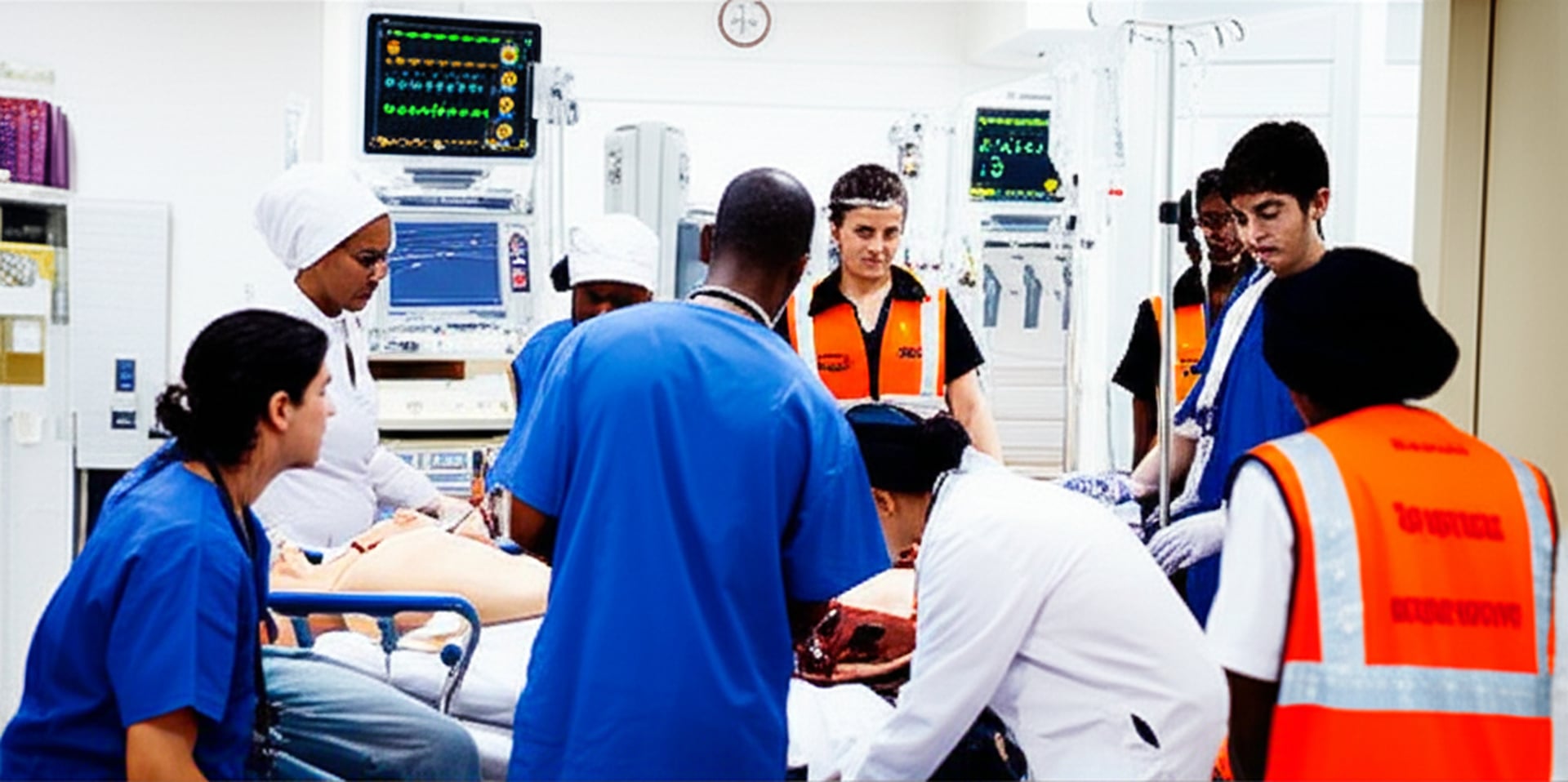
In an increasingly interconnected world, the capacity of healthcare systems to respond effectively to disasters is a cornerstone of global public health security. From natural catastrophes to public health emergencies, the ability to mitigate impact and save lives often hinges on the preparedness and perceptions of frontline healthcare practitioners. A recent mixed-methods assessment conducted in Qatar offers a compelling lens into these critical areas, providing insights that resonate far beyond the Arabian Peninsula and hold significant implications for health systems worldwide.
The study, focusing on healthcare practitioners' views on disaster management, underscores the universal challenges and opportunities in building resilient health infrastructure. Qatar, with its rapid development, diverse population, and strategic global position, serves as an invaluable case study. Its experiences reflect many of the complexities faced by nations striving to enhance their emergency response capabilities amidst evolving global threats. The findings highlight both the commendable progress made in certain aspects of disaster preparedness and the persistent gaps that, if unaddressed, could compromise effective responses during crises.
One of the most salient findings from the assessment pertains to the perceived adequacy of training for disaster scenarios. While many practitioners acknowledged the existence of training programs, a significant proportion expressed concerns regarding their frequency, realism, and comprehensiveness. This sentiment is not unique to Qatar; it echoes a global challenge where theoretical knowledge often outpaces practical, hands-on experience. Effective disaster training must move beyond didactic lectures to incorporate high-fidelity simulations, multi-disciplinary drills, and scenario-based exercises that mimic the chaos and complexity of real-world emergencies. Such training should be regular, mandatory, and tailored to the specific roles and responsibilities of different healthcare cadres, ensuring that every professional, from emergency room physicians to support staff, understands their function within a coordinated response.
Communication emerged as another critical area requiring enhancement. In the high-stress environment of a disaster, clear, concise, and timely communication is paramount. The study indicated potential breakdowns in both intra-hospital and inter-agency communication channels. Misinformation, delayed updates, or a lack of standardized communication protocols can severely impede response efforts, leading to inefficiencies, resource misallocation, and increased risk to both patients and responders. Globally, investing in robust communication infrastructure, including dedicated emergency communication systems, secure digital platforms, and standardized reporting mechanisms, is essential. Regular drills that test these communication pathways, involving all relevant stakeholders—from hospitals and public health authorities to emergency services and civil defense—are crucial to identify weaknesses before a crisis strikes.
Resource allocation and management also featured prominently in practitioners' perceptions. While Qatar boasts significant resources, the study pointed to concerns about the efficient distribution and accessibility of essential supplies, equipment, and personnel during a large-scale event. This mirrors a common predicament in many health systems globally: it is not always the absolute quantity of resources but their strategic deployment and flexible management that determine the effectiveness of a disaster response. Developing dynamic inventory management systems, establishing clear protocols for resource mobilization, and fostering regional or international partnerships for resource sharing can bolster a nation's capacity to meet surge demands during emergencies. Furthermore, cross-training personnel to perform multiple roles can enhance flexibility and optimize human resource deployment.
The psychological impact of disaster response on healthcare practitioners was another vital aspect brought to light. Frontline workers are exposed to immense physical and emotional stressors, including long hours, traumatic scenes, ethical dilemmas, and the constant pressure to make life-or-death decisions. The study implicitly suggests a need for more robust mental health and psychosocial support systems for these professionals. Globally, the well-being of healthcare workers is increasingly recognized as a critical component of health system resilience. Without adequate support, practitioners are vulnerable to burnout, compassion fatigue, and post-traumatic stress, potentially leading to attrition and a diminished capacity to respond to future crises. Implementing proactive strategies such as pre-disaster psychological preparedness, in-crisis peer support programs, and post-event debriefing and counseling services is imperative to safeguard the mental health of this invaluable workforce.
Beyond individual perceptions, the assessment also touched upon the broader policy and leadership frameworks governing disaster management. Clarity of roles, well-defined command structures, and seamless integration with national disaster plans are fundamental. Practitioners need to understand their place within the larger response ecosystem and have confidence in the leadership guiding these efforts. This necessitates regular review and updating of national disaster management plans, ensuring they are adaptive, evidence-based, and informed by the experiences of those on the ground. Policy frameworks should also promote a culture of continuous learning, encouraging feedback mechanisms and incorporating lessons learned from drills and actual events into future planning.
The implications of Qatar's experience extend globally, offering valuable lessons for health systems navigating their own disaster preparedness journeys. The emphasis on practitioner perceptions is particularly insightful, as these individuals are the backbone of any emergency response. Their insights provide a ground-truth perspective that complements top-down policy directives. By actively engaging healthcare workers in the planning and evaluation of disaster management strategies, nations can develop more realistic, effective, and sustainable preparedness frameworks.
Furthermore, the study underscores the importance of a multi-sectoral approach to disaster management. Healthcare systems do not operate in isolation. Their effectiveness is intrinsically linked to the preparedness of other sectors, including civil defense, public works, transportation, and communication networks. Fostering strong inter-agency collaboration, conducting joint exercises, and establishing clear lines of communication and command across all relevant governmental and non-governmental entities are vital for a truly coordinated national response.
Ultimately, the assessment from Qatar serves as a powerful reminder that disaster preparedness is not a static state but an ongoing process of evaluation, adaptation, and continuous improvement. As global threats evolve, from climate-induced disasters to novel pandemics, the need for robust, flexible, and human-centered healthcare disaster management systems becomes ever more critical. Investing in comprehensive training, fostering resilient communication networks, ensuring equitable resource distribution, and prioritizing the mental well-being of healthcare practitioners are not merely local imperatives but global necessities for building a safer, more resilient world. The insights gleaned from this study offer a clear pathway for nations to strengthen their defenses, ensuring that when the next crisis inevitably strikes, their healthcare systems are not only ready but truly capable of protecting lives and fostering recovery.
Your support enables Nivaran Foundation to advocate for stronger global healthcare systems and disaster resilience initiatives.
Support this work