
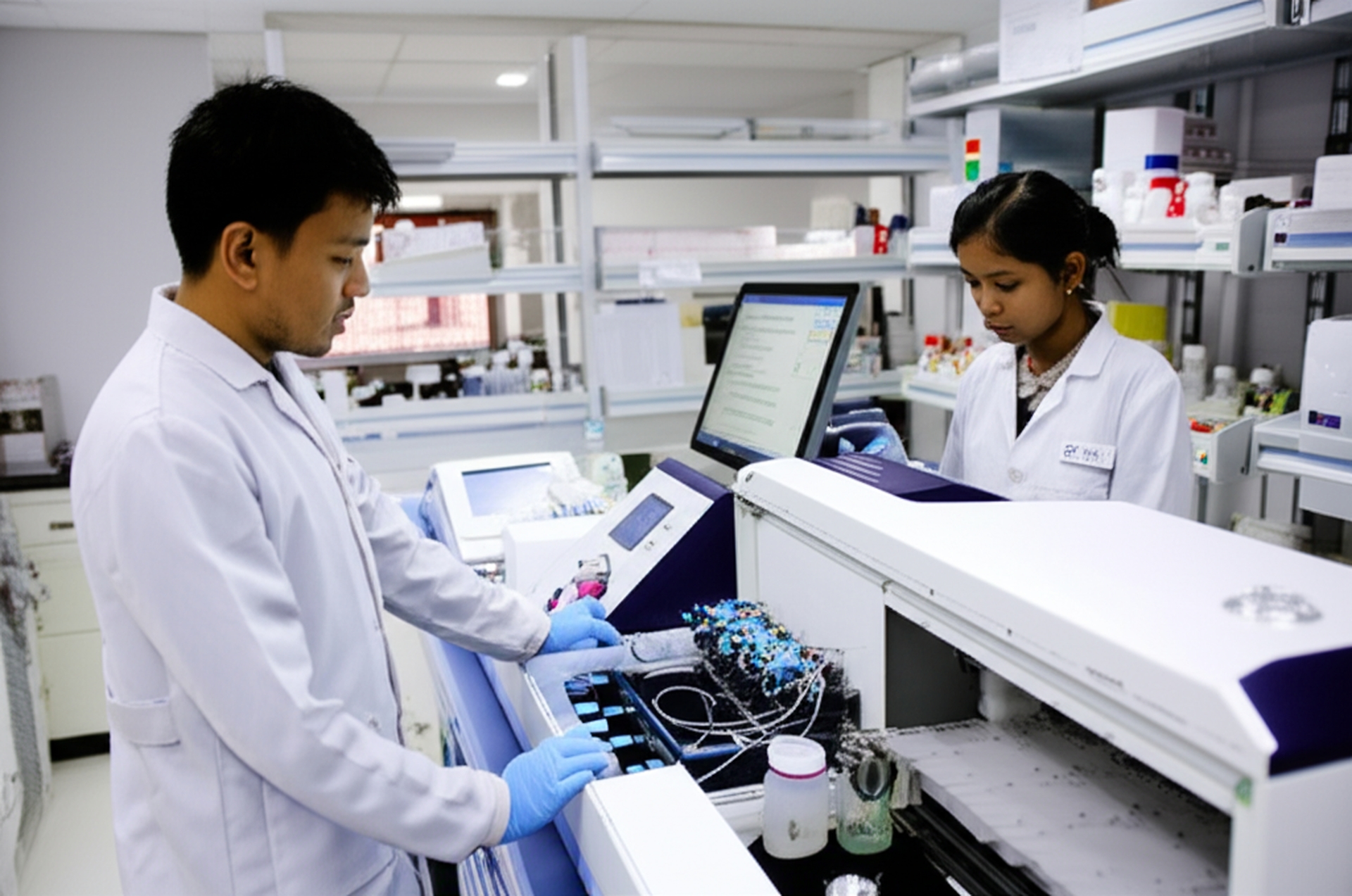
Nepal has achieved a significant milestone in its healthcare journey with the introduction of genetic testing for rheumatic diseases. This marks the first time such advanced diagnostic capabilities are available within the country, promising a paradigm shift in how these complex autoimmune conditions are identified and managed. For a nation where accurate diagnosis has often been a formidable challenge, this development heralds a new era of precision medicine, offering hope and more effective treatment pathways for countless individuals grappling with chronic pain and debilitating symptoms. The initiative underscores Nepal's growing commitment to integrating cutting-edge medical technologies into its public health framework, positioning it as a leader in regional medical innovation. This advancement is not merely a technological upgrade but a profound step towards improving the quality of life for a vulnerable patient population, setting a new standard for diagnostic excellence in the Himalayan nation.
Rheumatic diseases encompass a broad spectrum of conditions, including rheumatoid arthritis, lupus, ankylosing spondylitis, and psoriatic arthritis, among others. These are often chronic, progressive, and can lead to severe joint damage, organ failure, and significant disability if not diagnosed and treated early. In Nepal, the burden of these diseases has historically been compounded by several factors: a lack of specialized diagnostic tools, limited access to rheumatologists, and the often non-specific nature of early symptoms, leading to prolonged diagnostic delays. Patients frequently endure years of pain and uncertainty, moving from one general practitioner to another before receiving an accurate diagnosis. This delay not only exacerbates disease progression but also imposes immense physical, emotional, and financial strain on individuals and their families. The absence of definitive diagnostic markers has meant that clinical judgment, often in resource-constrained settings, formed the primary basis for diagnosis, leaving room for misinterpretation and delayed intervention.
Genetic testing offers a revolutionary approach by identifying specific genetic predispositions and markers associated with various rheumatic conditions. Unlike traditional diagnostic methods that rely heavily on symptoms, physical examinations, and general inflammatory markers, genetic tests delve into an individual's unique biological blueprint. Many rheumatic diseases have a strong genetic component, meaning certain genes or gene variants significantly increase a person's susceptibility. By analyzing DNA samples, medical professionals can now pinpoint these genetic signatures, providing an objective and highly accurate basis for diagnosis. This precision is particularly vital for conditions like ankylosing spondylitis, where the HLA-B27 gene is a key indicator, or for differentiating between various forms of arthritis that might present with similar symptoms but require distinct treatment protocols. The ability to identify these markers early can accelerate the diagnostic process from years to weeks, fundamentally altering the patient's journey from uncertainty to clarity.
The implications of early and accurate genetic diagnosis are profound. Firstly, it enables timely initiation of appropriate treatment, which is critical in preventing irreversible joint damage and systemic complications. Many modern therapies, particularly biologics, are most effective when administered in the early stages of the disease. Secondly, it allows for personalized medicine. Knowing a patient's specific genetic profile can help clinicians tailor treatment plans, predicting response to certain medications and minimizing adverse effects. This moves away from a trial-and-error approach, saving valuable time and resources. Thirdly, it empowers patients with knowledge about their condition, fostering better self-management and adherence to treatment. For families with a history of rheumatic diseases, genetic screening can also offer insights into risk, enabling proactive monitoring and lifestyle adjustments. Ultimately, early diagnosis translates directly into improved quality of life, reduced disability, and a greater chance for patients to lead productive lives.
The establishment of this cutting-edge genetic testing facility represents a significant investment in Nepal's healthcare infrastructure. While specific locations are not detailed in the summary, such advanced services typically commence in major urban centers, with Kathmandu likely serving as the primary hub. This initiative requires not only the acquisition of sophisticated genetic sequencing equipment but also the development of a highly skilled workforce. Nepali medical technologists, geneticists, and rheumatologists have undergone specialized training to operate these machines, interpret complex genetic data, and integrate these findings into clinical practice. The collaboration between local medical institutions and international experts has been instrumental in ensuring the successful transfer of technology and expertise. This strategic investment in human capital and state-of-the-art laboratories signifies a long-term commitment to elevating Nepal's diagnostic capabilities to international standards, building a foundation for future medical research and innovation within the country.
Despite its transformative potential, the introduction of genetic testing for rheumatic diseases in Nepal is not without its challenges. Foremost among these is accessibility. While urban centers like Kathmandu now benefit from this technology, extending these services to remote and rural areas, where a significant portion of Nepal's population resides, remains a formidable task. The logistical hurdles of transporting samples, ensuring cold chain integrity, and providing specialist consultations in geographically isolated regions are substantial. Furthermore, the cost of genetic testing, while becoming more affordable globally, can still be a barrier for many Nepali families, especially those without adequate health insurance or financial means. Addressing these disparities will require innovative public health policies, potential subsidies, and the development of a robust referral network that can effectively link rural patients to these specialized diagnostic services. Ensuring equitable access will be crucial for the true impact of this innovation to be felt nationwide.
Beyond individual patient diagnosis, the establishment of genetic testing capabilities opens up immense opportunities for public health research and policy development in Nepal. By collecting and analyzing genetic data specific to the Nepali population, researchers can gain invaluable insights into the prevalence, genetic risk factors, and unique manifestations of rheumatic diseases within the country. This localized data can inform targeted public health campaigns, improve screening protocols, and guide the development of culturally appropriate prevention and management strategies. It also positions Nepal as a potential hub for collaborative research with international institutions, contributing to the global understanding of these complex conditions. Such research can lead to the identification of novel biomarkers, the development of more effective treatments, and ultimately, a more comprehensive approach to combating rheumatic diseases across the nation.
The launch of genetic testing for rheumatic diseases significantly elevates Nepal's profile on the global healthcare stage. It demonstrates a proactive approach to adopting advanced medical technologies and a commitment to improving patient care. This move not only benefits Nepali citizens but also has the potential to attract medical tourism for specialized diagnostics, further bolstering the nation's healthcare economy. More importantly, it fosters a culture of innovation and continuous improvement within the medical community. Young Nepali doctors and scientists will now have access to cutting-edge tools and research opportunities within their own country, potentially stemming the brain drain and encouraging local talent to contribute to national health advancements. This initiative serves as a powerful testament to Nepal's ambition to build a resilient, modern, and patient-centric healthcare system capable of addressing complex medical challenges.
For patients and their families, this development brings a renewed sense of hope and empowerment. The journey of living with an undiagnosed or misdiagnosed chronic illness is often fraught with frustration, despair, and a profound sense of isolation. The ability to receive a definitive genetic diagnosis provides clarity, validates their experiences, and opens the door to effective treatment. It transforms a nebulous, often invisible, struggle into a manageable condition with a clear path forward. This psychological impact cannot be overstated. Patients can now move beyond merely managing symptoms to actively participating in their treatment plans, understanding the underlying cause of their illness, and making informed decisions about their health and future. This shift from uncertainty to certainty is a monumental step towards improving the overall well-being and mental health of those affected by rheumatic diseases in Nepal.
Looking ahead, the successful integration of genetic testing into routine clinical practice will require sustained effort. This includes ongoing training for medical professionals, public awareness campaigns to educate the populace about the benefits of early diagnosis, and continued investment in expanding infrastructure. Nivaran Foundation, dedicated to advancing health and education in Nepal, recognizes the profound significance of such initiatives. By supporting access to advanced diagnostic tools and promoting health literacy, organizations like Nivaran play a crucial role in ensuring that these medical breakthroughs reach all segments of society. The foundation's commitment aligns perfectly with the spirit of this new development, aiming to bridge gaps in healthcare access and empower communities through knowledge and innovative solutions, ensuring that every Nepali has the opportunity for a healthier future.
In conclusion, the introduction of genetic testing for rheumatic diseases marks a truly transformative moment for Nepal's healthcare system. It represents a leap forward in diagnostic precision, patient care, and medical innovation. While challenges in accessibility and cost remain, the foundation has been laid for a future where chronic autoimmune conditions can be identified earlier, treated more effectively, and managed with greater personalization. This pioneering step not only offers immediate relief and long-term benefits to patients but also solidifies Nepal's position as a nation committed to embracing scientific progress for the well-being of its people.
Support Nivaran Foundation's mission to expand access to advanced diagnostic tools and healthcare innovations across Nepal.
Support this work