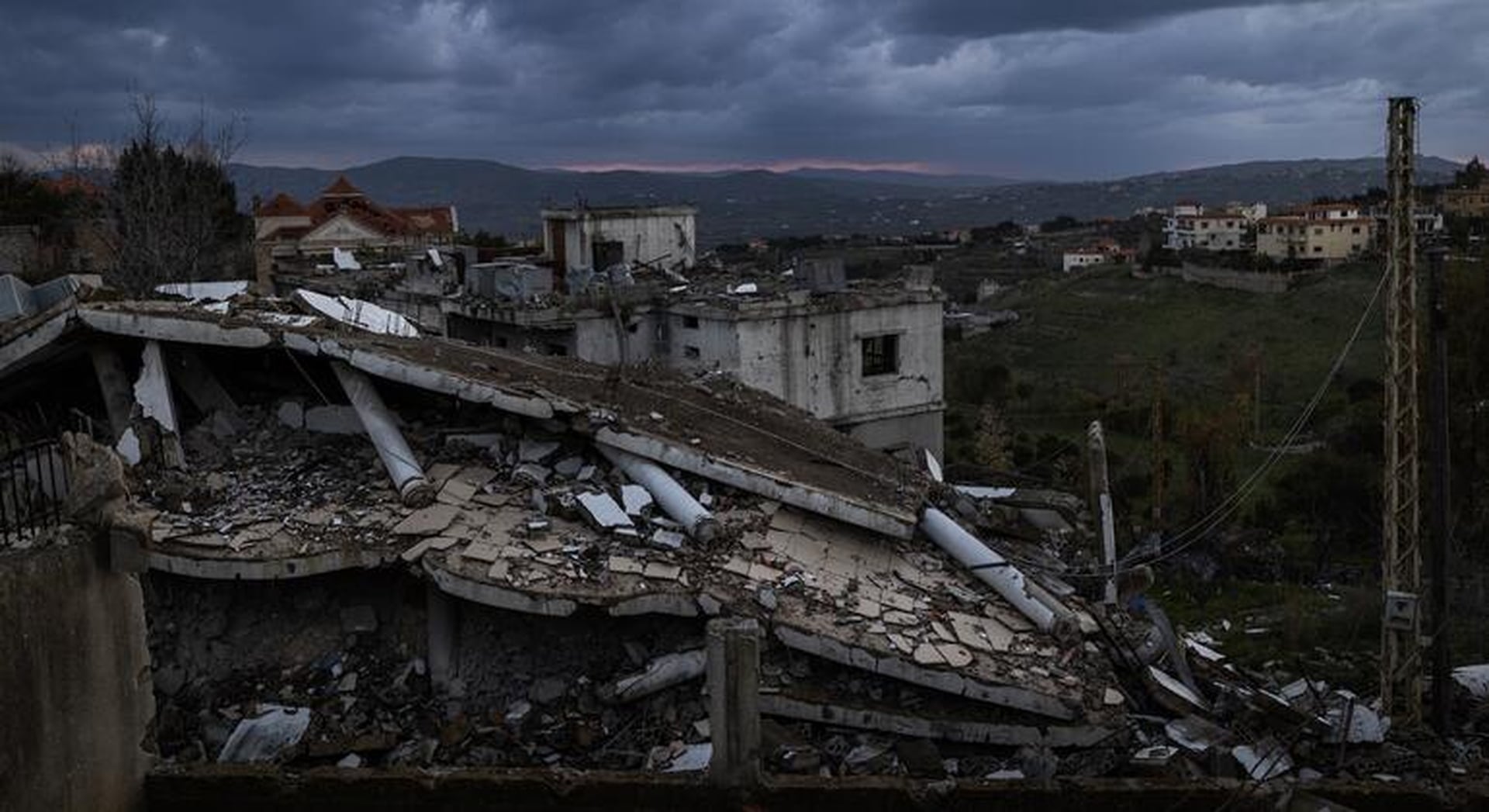
The unfolding humanitarian crisis across the Middle East serves as a stark reminder of the profound and far-reaching consequences of escalating hostilities on global health and education systems. As conflicts intensify, particularly along flashpoints like the Israel-Lebanon border, the human cost mounts exponentially, manifesting in mass displacement, civilian casualties, and an unprecedented surge in humanitarian needs. This regional instability, while geographically concentrated, sends ripple effects across the international community, challenging the very foundations of global development and human security.
Millions across the affected areas are grappling with a rapidly deteriorating environment where basic services, once taken for granted, are now luxuries. The disruption of health services stands out as one of the most immediate and devastating impacts. Hospitals and clinics, already fragile from years of underinvestment or previous conflicts, are overwhelmed, damaged, or rendered inaccessible. Essential medical supplies, from life-saving drugs to basic wound dressings, are in critically short supply. This breakdown directly impacts the treatment of acute injuries resulting from violence, but also has a catastrophic effect on routine healthcare. Chronic disease management, maternal and child health services, vaccinations, and preventative care are severely compromised. For individuals living with conditions like diabetes, hypertension, or cancer, the interruption of treatment can be a death sentence. Pregnant women face perilous conditions, often forced to give birth in unsafe environments without medical assistance, leading to increased risks for both mother and child. Children, already vulnerable, are particularly susceptible to preventable diseases as immunization programs falter and access to pediatric care diminishes.
The sheer scale of displacement further exacerbates the health crisis. Families fleeing violence often find refuge in overcrowded shelters, temporary camps, or informal settlements, where sanitation is poor, clean water is scarce, and personal space is non-existent. These conditions are fertile ground for the rapid spread of infectious diseases. Respiratory illnesses, diarrheal diseases, measles, and cholera outbreaks become rampant, especially among malnourished and immunocompromised populations. The psychological toll of displacement, loss, and constant fear is immense, leading to a surge in mental health issues, including anxiety, depression, and post-traumatic stress disorder. Yet, mental health services are almost universally absent in emergency response, leaving countless individuals to suffer in silence. This creates a hidden epidemic that undermines community resilience and long-term recovery efforts.
Beyond immediate physical and mental health, the erosion of educational opportunities represents a generational catastrophe. Schools are frequently damaged or destroyed, repurposed as shelters, or become unsafe zones due to proximity to conflict. Teachers, themselves displaced or fearing for their lives, are unable to reach students. Millions of children and adolescents are thus deprived of their right to education, a fundamental pillar of development and a critical protective mechanism in times of crisis. The interruption of schooling not only denies children knowledge and skills but also robs them of a sense of normalcy, routine, and a safe space away from the trauma of conflict. For many, this disruption can lead to permanent dropout, increasing their vulnerability to child labor, early marriage, recruitment by armed groups, and exploitation. The long-term implications for human capital development are staggering, threatening to create a lost generation unable to contribute effectively to the reconstruction and future prosperity of their societies.
Humanitarian aid operations, the lifeline for millions, are stretched to their absolute limits. UN agencies and their partners face immense logistical challenges, security risks, and funding shortfalls in their efforts to deliver assistance. Access to affected populations is often restricted by ongoing hostilities, bureaucratic impediments, or damaged infrastructure. The sheer volume of need far outstrips available resources, forcing aid organizations to make agonizing decisions about who receives assistance and who does not. This strain on the global humanitarian system is not isolated; it reflects a broader trend where multiple complex emergencies worldwide compete for finite resources, highlighting the urgent need for sustained and predictable funding from the international community. The principle of neutrality and impartiality, cornerstones of humanitarian action, are constantly tested in highly politicized environments, further complicating aid delivery.
Children and other vulnerable groups, including women, the elderly, and persons with disabilities, bear the disproportionate brunt of these escalating crises. Children, with their developing minds and bodies, are particularly susceptible to the physical and psychological traumas of conflict. They are exposed to violence, lose family members, witness atrocities, and are deprived of the nurturing environment essential for healthy development. Women often face increased risks of gender-based violence, exploitation, and struggle to provide for their families amidst chaos. The elderly and those with disabilities face unique challenges in displacement, often unable to flee quickly or access necessary support services, becoming invisible victims in the rush to assist the masses. Addressing the specific needs of these diverse vulnerable populations requires tailored, inclusive, and rights-based approaches that are often difficult to implement in the rapid pace of emergency response.
The regional instability emanating from the Middle East has profound global echoes. It not only strains international humanitarian budgets but also poses risks to global health security. Mass movements of people, coupled with breakdowns in public health infrastructure, can facilitate the cross-border spread of infectious diseases, potentially leading to wider epidemics. Furthermore, the protracted nature of these conflicts diverts attention and resources from other pressing global health and education challenges, hindering progress towards the Sustainable Development Goals. The international community's capacity to respond to future crises is diminished as resources are continually consumed by ongoing emergencies. This interconnectedness underscores that peace and stability in one region contribute to global well-being, and conversely, instability anywhere can undermine progress everywhere.
Looking beyond the immediate crisis, the long-term consequences are daunting. Rebuilding shattered health and education systems will require monumental effort and sustained international commitment. It's not merely about reconstructing buildings but about restoring trust, healing trauma, and re-establishing the social fabric that supports these vital services. The loss of a generation's education means a significant setback in human capital, impacting economic recovery and social cohesion for decades. The psychological scars of conflict can persist for lifetimes, affecting individuals' ability to lead productive lives and contribute to their communities. Without robust investment in post-conflict recovery, including comprehensive psychosocial support and educational reintegration programs, cycles of poverty and instability are likely to endure.
In conclusion, the escalating humanitarian crisis in the Middle East serves as a critical global health and education emergency. The mounting civilian casualties, mass displacement, and the systematic dismantling of essential services underscore the urgent need for concerted international action. Nivaran Foundation's global desk emphasizes that addressing these challenges requires not only immediate humanitarian relief but also sustained diplomatic efforts for peace, robust funding for long-term recovery, and a renewed commitment to protecting civilians and upholding international humanitarian law. The well-being of millions, and indeed the stability of the global community, hinges on our collective ability to respond effectively and compassionately to these profound human challenges.
Support Nivaran Foundation's efforts to advocate for and deliver vital health and education aid in crisis zones worldwide.
Support this work