In a significant development for public health in Nepal, a measles outbreak has been officially confirmed in Dhorpatan Municipality, a remote and geographically challenging area within Baglung District. This detection has spurred the Ministry of Health and Population (MoHP) into immediate action, with comprehensive preparations underway to launch a large-scale vaccination campaign aimed at containing the highly contagious disease and protecting the vulnerable population, especially children, in this isolated Himalayan region. The swift governmental response underscores the nation's commitment to public health security, even in its most inaccessible corners, highlighting the persistent vigilance required against preventable diseases.
Dhorpatan, nestled amidst the majestic Dhaulagiri mountain range, is renowned for its unique cultural landscape and diverse ethnic communities, including the indigenous Magar people. However, its rugged terrain, scattered settlements, and limited infrastructure also present formidable challenges for healthcare access and delivery. The municipality's remote location means that residents often face arduous journeys to reach even basic health services, making them particularly susceptible to the rapid spread of infectious diseases like measles. The confirmation of an outbreak here thus raises concerns not only for the immediate affected areas but also for the potential for wider transmission if not swiftly managed.
Measles, a highly contagious viral disease, remains a significant global health threat, despite the availability of a safe and effective vaccine. It is characterized by a distinctive rash, fever, cough, and runny nose, but its complications can be severe, leading to pneumonia, encephalitis, blindness, and even death, particularly in malnourished children or those with compromised immune systems. The disease spreads easily through respiratory droplets, making densely populated or close-knit communities, even in remote settings, vulnerable to rapid transmission. Nepal, like many developing nations, has made substantial strides in reducing measles incidence through its national immunization program, yet sporadic outbreaks continue to serve as stark reminders of the ongoing need for robust surveillance and high vaccination coverage.
Nepal's commitment to public health through immunization is deeply rooted, with the country having achieved remarkable success in expanding its national immunization program over the decades. The government has set ambitious targets for measles elimination, striving to achieve and maintain high vaccination rates across all districts. However, the journey towards universal coverage is fraught with obstacles, including geographical barriers, logistical complexities in maintaining the cold chain for vaccines, and occasional vaccine hesitancy or misinformation within communities. The current situation in Dhorpatan highlights these perennial challenges, demanding a multi-faceted approach that combines scientific intervention with community engagement.
Upon receiving confirmation of the measles cases, the MoHP immediately activated its rapid response protocols. Expert teams comprising epidemiologists, public health specialists, and vaccinators are being mobilized to Dhorpatan. Their initial tasks include conducting a thorough epidemiological investigation to ascertain the extent of the outbreak, identify the source, and map the affected areas. Simultaneously, the Ministry is coordinating the procurement and dispatch of essential medical supplies, including measles vaccines, syringes, and cold chain equipment, ensuring that these vital resources reach the remote municipality without delay. This swift organizational effort is critical to preventing further spread and mitigating the impact on the local population.
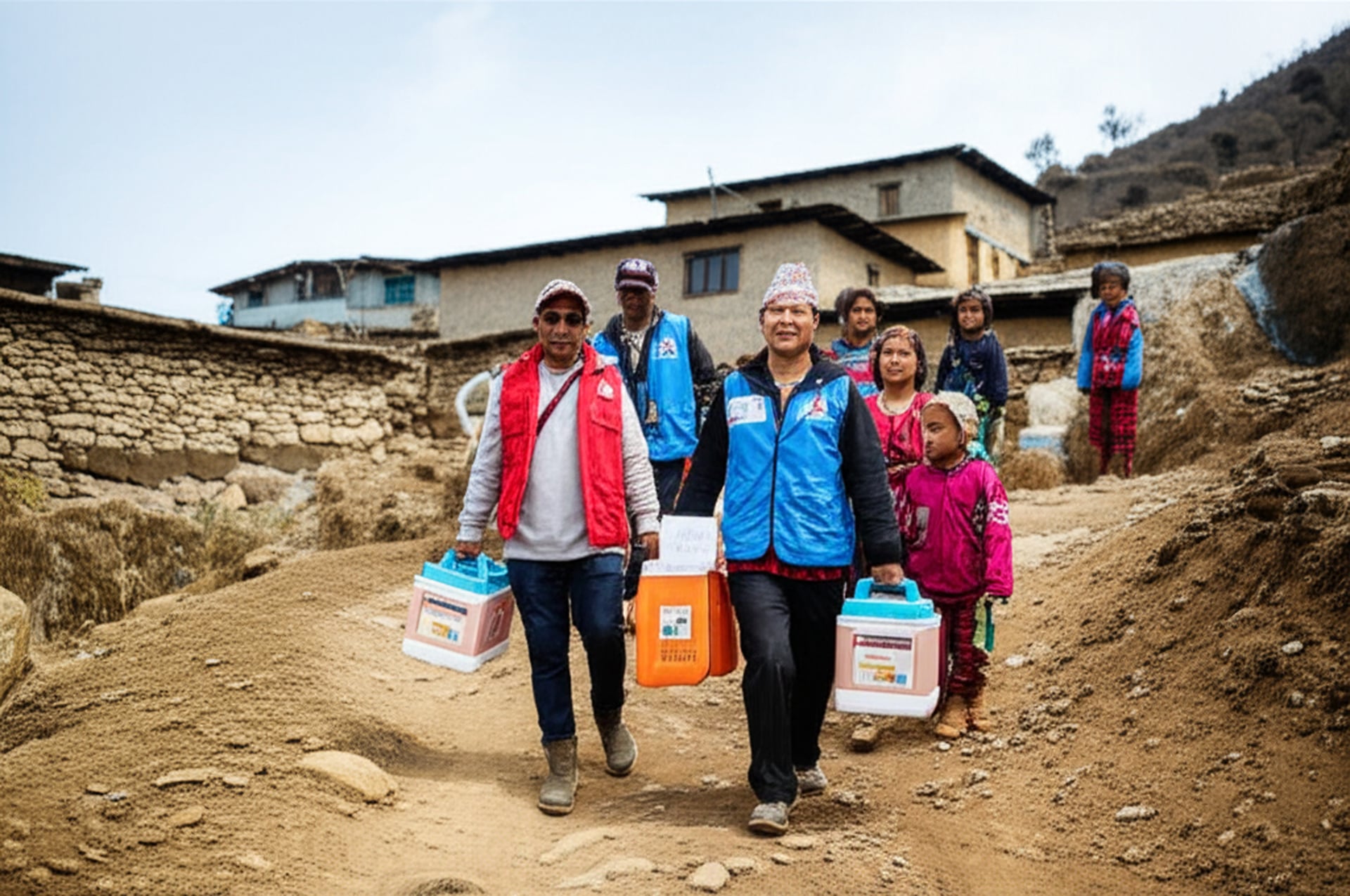
The logistical challenges inherent in conducting a mass vaccination campaign in Dhorpatan cannot be overstated. Transporting vaccines, which require strict temperature control, across difficult mountain passes and unpaved roads demands meticulous planning and execution. The MoHP, in collaboration with local health authorities, is devising strategies to overcome these hurdles, potentially utilizing a combination of vehicular transport, porters, and even airlifts for the most inaccessible hamlets. Establishing temporary vaccination centers, ensuring adequate staffing, and managing the influx of people while adhering to safety protocols are all integral components of this complex operation. The success of the campaign hinges on the seamless coordination of these logistical elements.
Community engagement and public awareness form the bedrock of any successful public health intervention, particularly in remote areas where trust and understanding are paramount. Local health workers, including the dedicated Female Community Health Volunteers (FCHVs), are playing a crucial role in disseminating accurate information about measles, its symptoms, and the importance of vaccination. They are working tirelessly to dispel myths, address concerns, and mobilize community leaders to encourage participation in the upcoming vaccination drive. This grassroots approach is vital for building confidence in the vaccination program and ensuring that every eligible child and individual receives the necessary protection, thereby fostering a sense of collective responsibility for public health.
Beyond the immediate health crisis, a measles outbreak can have broader socio-economic implications for affected communities. Families may face increased healthcare expenditures, loss of income due to illness or caregiving responsibilities, and disruption to children's education. The MoHP's response, therefore, extends beyond just vaccination to include provisions for symptomatic treatment, nutritional support for affected children, and public health education on hygiene and sanitation practices. This holistic approach aims to minimize the overall burden of the disease and support the long-term well-being of the Dhorpatan community.
Effective disease surveillance is the cornerstone of preventing and controlling outbreaks. The Dhorpatan incident underscores the critical importance of strengthening surveillance systems at the local level, enabling early detection and rapid reporting of suspected cases. This includes training local health personnel in case identification, data collection, and reporting mechanisms. Continuous monitoring of vaccination coverage rates and epidemiological trends is also essential to identify gaps in immunity and proactively address potential vulnerabilities before they escalate into full-blown epidemics. Investment in robust surveillance infrastructure is a strategic imperative for Nepal's ongoing public health security.
International partners, including organizations like the World Health Organization (WHO) and UNICEF, often provide invaluable support to Nepal's public health initiatives. While specific details of their involvement in the Dhorpatan response are yet to be fully disclosed, their technical expertise, logistical assistance, and resource mobilization capabilities are typically crucial during such outbreaks. Their collaboration with the MoHP helps ensure that the vaccination campaign adheres to international best practices and that the most effective strategies are employed to protect the population, reinforcing the global commitment to disease eradication and health equity.
Addressing vaccine hesitancy, though not explicitly cited as a primary challenge in Dhorpatan, remains a potential hurdle in any mass immunization effort. Misinformation, cultural beliefs, or past negative experiences can sometimes lead to reluctance to accept vaccines. The MoHP and local health authorities are acutely aware of this and are preparing targeted communication strategies to build trust and educate the community about the safety and efficacy of the measles vaccine. Engaging local religious leaders, community elders, and influential figures can be instrumental in fostering acceptance and ensuring high participation rates in the upcoming campaign.
Looking beyond the immediate crisis, the Dhorpatan measles outbreak serves as a powerful reminder of the need for sustained investment in Nepal's primary healthcare infrastructure. Strengthening local health posts, ensuring a consistent supply of essential medicines and vaccines, and providing ongoing training for health workers are vital for building resilient health systems capable of responding effectively to future public health challenges. A robust primary healthcare network is the first line of defense against infectious diseases and is crucial for achieving universal health coverage across the nation.
Nivaran Foundation believes that such health emergencies underscore the profound importance of continuous support for Nepal's health sector. The Foundation advocates for strengthening community-level health services, enhancing public health education, and ensuring equitable access to life-saving interventions like immunization. The Dhorpatan situation exemplifies how geographical and socio-economic factors can exacerbate health vulnerabilities, making sustained, collaborative efforts between government, civil society, and international partners indispensable for protecting the health and future of Nepal's children.
The swift and decisive action by Nepal's Ministry of Health and Population to address the measles outbreak in Dhorpatan Municipality is commendable. While the challenges are significant, the nation's experience in managing public health crises, coupled with dedicated health workers and community engagement, offers hope for containing this outbreak. The upcoming vaccination drive is not merely a medical intervention; it is a testament to Nepal's unwavering commitment to safeguarding its most vulnerable citizens and a crucial step towards achieving a measles-free future for all its children.
Your support helps Nivaran Foundation strengthen health infrastructure and deliver vital immunization programs in Nepal's most vulnerable communities.
Support this work