
Nivaran Logo
News

Martyn Butler's Enduring Legacy: Pioneering HIV/AIDS Advocacy

Co-founder of the Terrence Higgins Trust, his vision transformed the global response to a devastating health crisis.

Martyn Butler's Enduring Legacy: Pioneering HIV/AIDS Advocacy

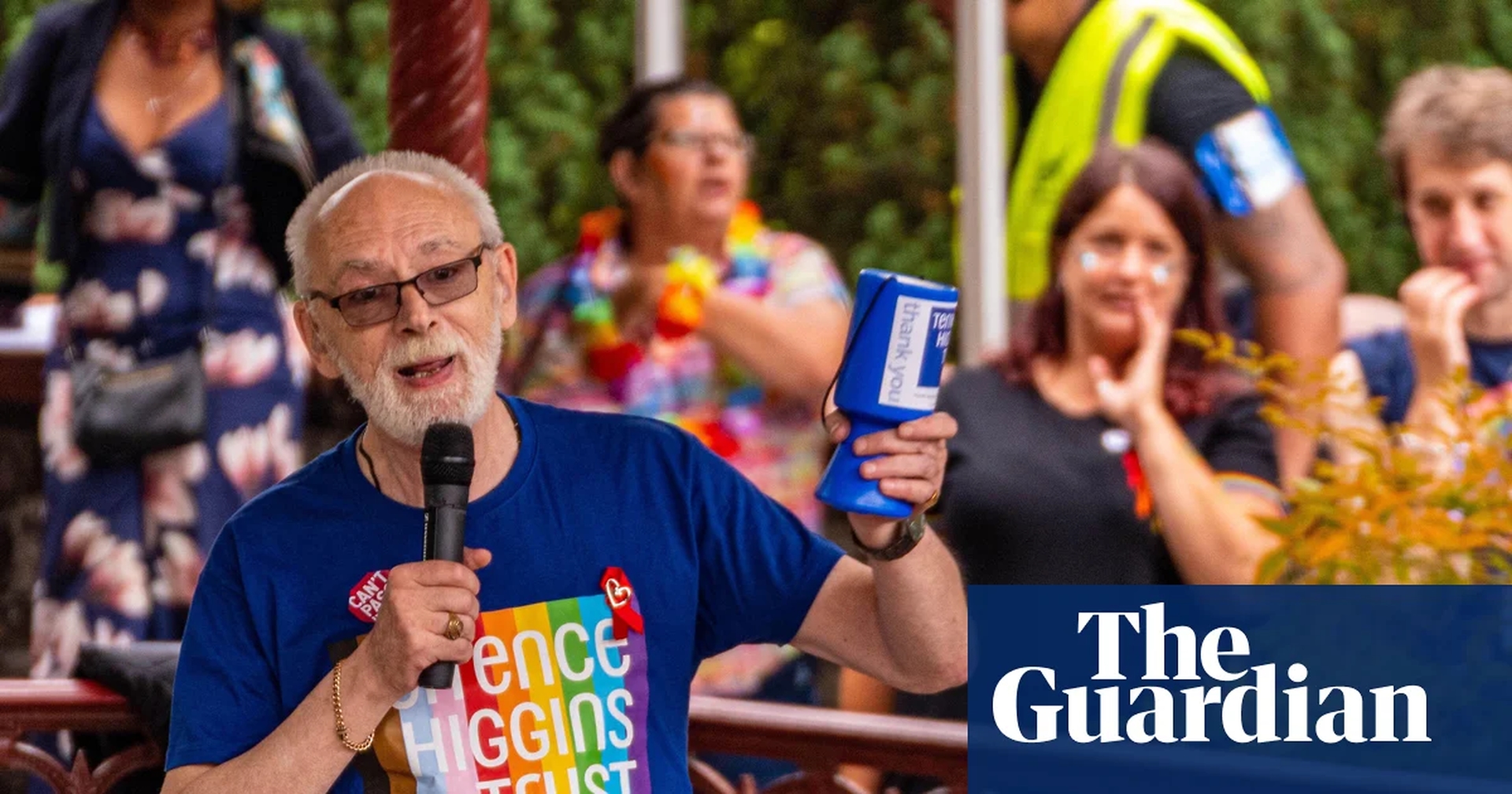
The passing of Martyn Butler at the age of 71 marks the end of an era for global health advocacy, yet his profound legacy continues to resonate across continents. As a co-founder of the Terrence Higgins Trust (THT) in 1982, Butler was instrumental in establishing Europe's first organization dedicated to confronting the burgeoning health crisis of HIV/AIDS. His courageous and visionary leadership, born from personal tragedy, laid the groundwork for what would become Britain’s leading HIV charity and a model for community-led health responses worldwide.

The early 1980s were a period of immense fear, misinformation, and scientific uncertainty surrounding a mysterious new illness. Initially dubbed "gay-related immune deficiency" (GRID) before being identified as Acquired Immunodeficiency Syndrome (AIDS) caused by the Human Immunodeficiency Virus (HIV), the condition spread rapidly, claiming lives and igniting widespread panic. Governments were slow to react, public understanding was minimal, and those affected faced unprecedented levels of stigma and discrimination. It was within this climate of ignorance and despair that Martyn Butler, alongside Terry Higgins's partner, Rupert Whitaker, found the resolve to act. The death of their friend, Terry Higgins, in July 1982, marked one of the first publicly acknowledged AIDS-related fatalities in the United Kingdom, transforming a distant threat into a stark, personal reality for Butler and his circle.

Driven by a deep sense of loss and an urgent need for action, Butler and Whitaker, supported by a network of friends, established the Terrence Higgins Trust. Their initial goal was ambitious yet clear: to raise funds for medical research into the devastating new disease. However, they quickly recognized the enormous scale of the challenge. The financial resources required to combat a global pandemic were far beyond the scope of a nascent charity; they would necessitate substantial investment from national governments and the powerful pharmaceutical industry. This early realization shaped THT's strategy, pushing it beyond mere fundraising to embrace a broader mandate of advocacy, education, and direct support for those living with or affected by HIV.

The Terrence Higgins Trust emerged as a beacon of hope and practical assistance during a time when official responses were often inadequate or discriminatory. It provided vital information to a terrified public, challenging pervasive myths and promoting safer practices. It offered confidential support and counseling to individuals grappling with a life-altering diagnosis and the overwhelming social ostracism that often accompanied it. Critically, THT became a powerful voice for the marginalized, campaigning tirelessly for greater government funding for research, improved healthcare services, and an end to the rampant discrimination faced by people with HIV/AIDS. The organization's efforts were not confined to the UK; its pioneering model inspired similar grassroots movements and advocacy groups across Europe and beyond, demonstrating the profound impact that dedicated community action can have in the face of a global health crisis.

Martyn Butler's contribution extended beyond the initial founding. His steadfast commitment to human dignity and his unwavering belief in the power of collective action were foundational to THT's enduring success. He helped cultivate an environment where compassion triumphed over prejudice, and scientific inquiry was championed as the path to solutions. The early years of THT were characterized by immense personal sacrifice and relentless effort from its founders and volunteers, who often worked without pay, driven solely by their dedication to saving lives and alleviating suffering. Their work was not just about medical science; it was about human rights, social justice, and challenging the moral panic that threatened to engulf entire communities.

The global response to HIV/AIDS has undergone a dramatic transformation since THT's inception. What began as a terrifying, untreatable illness has, through decades of relentless research and advocacy, become a manageable chronic condition for many, thanks to the development of highly effective antiretroviral therapies (ART). Prevention strategies, including pre-exposure prophylaxis (PrEP) and post-exposure prophylaxis (PEP), have revolutionized the fight against new infections. Yet, these monumental strides would have been impossible without the early, courageous efforts of organizations like the Terrence Higgins Trust and individuals like Martyn Butler, who forced the world to confront the epidemic head-on. Their advocacy paved the way for increased public awareness, significant government investment in research and treatment, and the eventual collaboration between scientists, policymakers, and affected communities that proved crucial in turning the tide.

However, the fight is far from over. Despite remarkable progress, HIV/AIDS continues to pose a significant global health challenge, particularly in regions with limited access to healthcare and education. Stigma persists, hindering testing and treatment efforts. New infections continue to occur, and millions still lack access to life-saving medication. The lessons learned from the early days of the epidemic, championed by figures like Martyn Butler, remain profoundly relevant: the critical importance of community engagement, the necessity of robust public health campaigns, and the imperative for sustained investment in research and development. Butler's life serves as a powerful reminder that even in the face of overwhelming adversity, the dedication of a few can spark a movement that changes the course of history for millions.

The Terrence Higgins Trust, under the foundational principles established by Butler and his co-founders, has evolved to address the contemporary challenges of HIV. It continues its vital work in prevention, education, and support, advocating for policies that ensure equitable access to care and combat discrimination. The organization's journey from a small, grassroots initiative born out of grief to a national leader in HIV/AIDS advocacy is a testament to the enduring power of its original mission. Martyn Butler’s vision helped to dismantle barriers of fear and ignorance, fostering a more compassionate and informed global dialogue around HIV/AIDS. His legacy is not merely in the establishment of an organization, but in the profound shift in societal attitudes and the countless lives that have been saved and improved because of the foundation he helped to lay.

In reflecting on Martyn Butler’s life, we are reminded of the transformative impact that individuals can have when confronted with injustice and suffering. His courage in the face of a terrifying and misunderstood epidemic catalyzed a movement that not only provided immediate relief but also shaped the long-term global health agenda. The Terrence Higgins Trust stands as a living monument to his dedication, continuing to champion the rights and well-being of people affected by HIV. As the world continues to grapple with various health crises, the principles embodied by Butler’s work—empathy, advocacy, and community empowerment—remain indispensable tools in the ongoing pursuit of global health equity. His passing prompts a moment of reflection on the immense progress made, but also reinforces the ongoing commitment required to achieve a world free from the shadow of HIV/AIDS, a world where compassion and scientific progress prevail over fear and prejudice.

If this moved you, share it
FacebookLinkedInXWhatsApp

Support Nivaran Foundation's global health initiatives, continuing the legacy of courageous advocacy for a healthier world.

Support this work

Nivaran logo
Nivaran Foundation Global Desk

Reporting from the Nivaran Foundation's global news desk, dedicated to insightful coverage of health and education worldwide.

InstagramFacebookLinkedInX
More from the field
News
Investigation Launched into Deadly Strike on Iranian School
News
Global Health and Education Watch: King Charles concerned about Alberta separatist movement, First Nation
News
AI Toys Need Strict Global Oversight for Child Safety