Nivaran Logo
News

Israeli Strike Kills 12 Healthcare Workers, Escalating Crisis in Southern Lebanon

Attack on Burj Qalaouiyah facility brings total medical staff casualties to 31 in 12 days, sparking global condemnation.

Israeli Strike Kills 12 Healthcare Workers, Escalating Crisis in Southern Lebanon

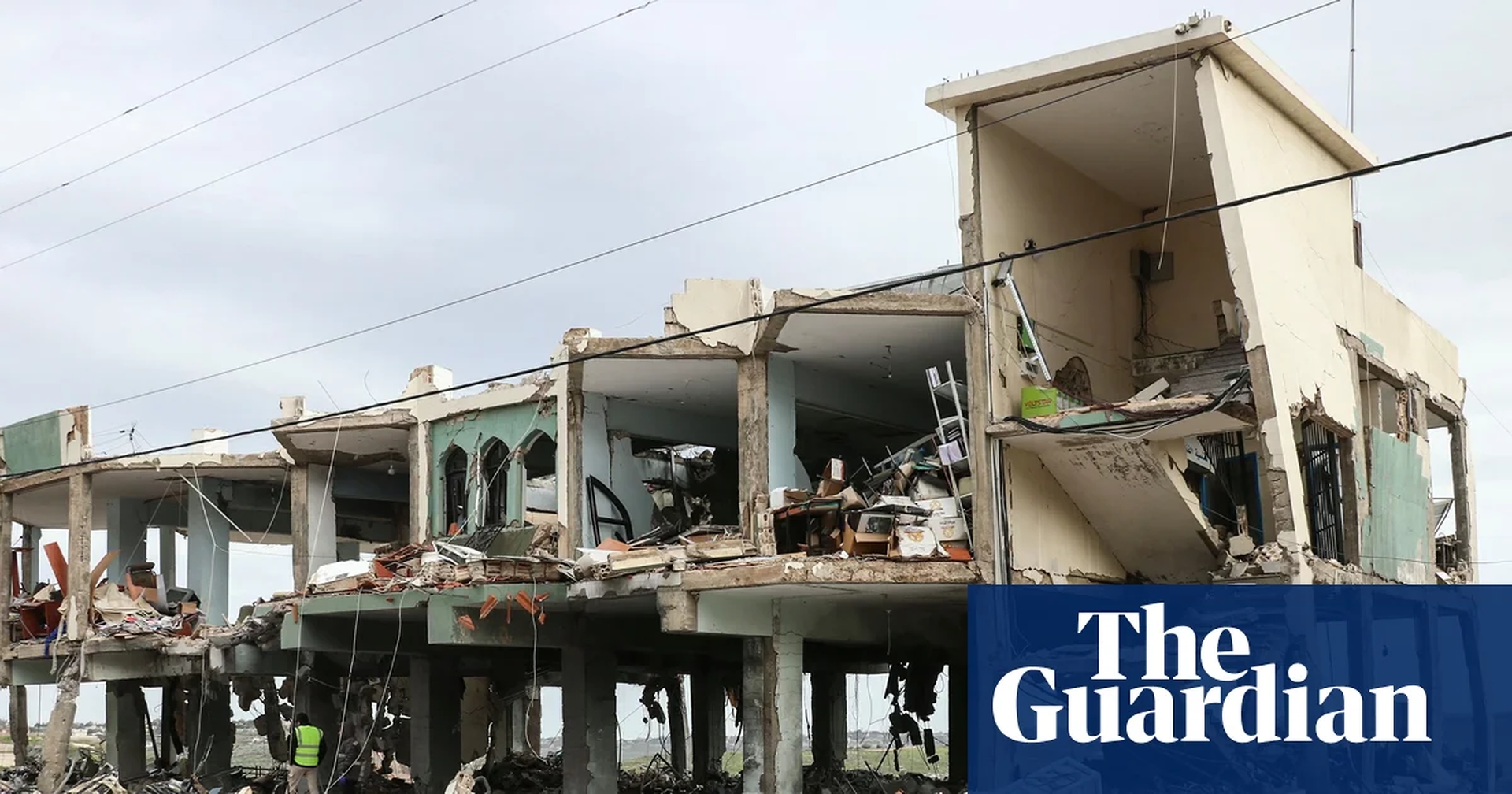
In a devastating escalation of hostilities, an Israeli strike on a primary healthcare facility in southern Lebanon claimed the lives of 12 dedicated healthcare workers, bringing the total number of medical staff killed in the country by Israeli actions to 31 within a mere 12-day period. The targeted facility, situated in the town of Burj Qalaouiyah, was hit late on a Friday night, leading to a catastrophic blaze and the subsequent collapse of the structure, trapping and killing doctors, paramedics, and nurses who were on duty providing essential services to the local community. This tragic event has ignited widespread condemnation from international bodies and humanitarian organizations, with the Lebanese Ministry of Health unequivocally stating that the strike constituted a blatant violation of all international humanitarian laws designed to protect medical personnel and facilities during armed conflict.

The attack on the Burj Qalaouiyah clinic represents a profound blow to an already fragile healthcare infrastructure in southern Lebanon, a region frequently impacted by cross-border hostilities. The immediate aftermath saw emergency services grappling with the immense challenge of recovering bodies from the rubble and attending to any potential survivors, though the scale of destruction left little hope. The loss of 12 trained professionals – individuals committed to saving lives and alleviating suffering – not only signifies an immense personal tragedy for their families and communities but also creates an irreparable void in the provision of critical medical care. These healthcare workers, often operating under immense pressure and with limited resources, are the backbone of community health, and their targeted killing undermines the very fabric of humanitarian response in conflict zones.

The escalating toll on medical personnel underscores a deeply concerning trend in the ongoing regional conflict, where healthcare facilities and workers are increasingly becoming casualties, if not direct targets, of military operations. The figure of 31 medical staff killed in less than two weeks paints a grim picture of the dangers faced by those striving to uphold the principle of medical neutrality. Such incidents not only decimate the existing healthcare workforce but also instill profound fear among remaining staff, potentially leading to a reluctance to serve in high-risk areas, thereby further depriving vulnerable populations of essential medical attention. The cumulative impact extends beyond immediate casualties, eroding the capacity of an entire health system to respond to emergencies, manage chronic illnesses, and provide routine care.

International humanitarian law (IHL), enshrined in the Geneva Conventions and their Additional Protocols, provides explicit and robust protections for healthcare facilities, personnel, and transport in times of armed conflict. The principle of medical neutrality dictates that medical units and personnel must be respected and protected in all circumstances, and they must not be attacked or used for military purposes. These laws are not merely guidelines; they are legally binding obligations on all parties to a conflict, designed to mitigate human suffering and ensure that those who are sick, wounded, or in need of medical attention can receive it without fear of violence. The intentional targeting of a medical facility, or an indiscriminate attack that results in its destruction and the death of its staff, constitutes a grave breach of these fundamental tenets of international law, potentially amounting to a war crime.

When a primary healthcare facility, such as the one in Burj Qalaouiyah, is rendered inoperable, the consequences ripple through the entire community. Residents lose access to immediate emergency care, routine check-ups, vaccinations, maternal health services, and treatment for chronic diseases. In conflict-affected areas, where access to safe water, sanitation, and adequate nutrition is often compromised, the absence of functioning healthcare facilities can precipitate public health crises, including outbreaks of communicable diseases. The psychological trauma inflicted on communities witnessing such destruction, particularly the loss of those dedicated to their well-being, is profound and long-lasting, contributing to a cycle of fear and despair that hinders recovery and resilience.

The destruction of medical infrastructure and the killing of healthcare professionals also have severe long-term repercussions for public health systems. Rebuilding facilities is a costly and time-consuming endeavor, often requiring significant international aid and expertise. More challenging still is the task of replacing highly skilled medical personnel, whose training and experience are invaluable. The exodus of medical professionals due to insecurity or lack of functional facilities can lead to a 'brain drain,' leaving countries with critical shortages and hindering their ability to provide even basic healthcare for years, if not decades, to come. This systemic damage undermines a nation's ability to achieve sustainable health outcomes and compounds the humanitarian challenges faced by its population.

This incident in southern Lebanon is not an isolated event but rather part of a disturbing global pattern where healthcare in conflict zones is increasingly under attack. From targeted airstrikes to ground assaults, blockades, and the harassment of medical personnel, the erosion of medical neutrality is a grave concern for humanitarian organizations worldwide. Such actions undermine the very essence of humanitarian work, which is predicated on the ability to provide impartial aid to all those in need, regardless of their affiliation. The chilling effect of these attacks extends beyond the immediate victims, making it more perilous and challenging for humanitarian agencies to operate effectively and reach populations in desperate need of assistance.

In response to such egregious violations, there is an urgent and imperative call for accountability from the international community. Independent investigations into these incidents are crucial to ascertain facts, attribute responsibility, and ensure that perpetrators are held accountable under international law. International bodies, including the United Nations and the World Health Organization, play a vital role in monitoring, documenting, and condemning attacks on healthcare, advocating for stronger protections, and mobilizing support for affected populations. However, their efforts must be bolstered by concrete political will from member states to enforce existing laws and prevent future atrocities.

Nivaran Foundation stands in solidarity with all healthcare workers globally, recognizing their selfless dedication and the immense risks they undertake to save lives. The protection of medical neutrality is a universal imperative, fundamental to upholding human dignity and mitigating suffering in times of conflict. The tragic events in Burj Qalaouiyah serve as a stark reminder of the devastating human cost when these principles are disregarded. It is incumbent upon all parties to armed conflicts to adhere strictly to international humanitarian law, ensuring the inviolability of healthcare facilities and the safety of medical personnel, thereby safeguarding the fundamental right to health for all, even amidst the chaos of war.

If this moved you, share it
FacebookLinkedInXWhatsApp

Support Nivaran Foundation's efforts to protect healthcare and advocate for medical neutrality in conflict zones worldwide.

Support this work

Nivaran logo
Nivaran Foundation Global Desk

Reporting from the Nivaran Foundation's global news desk, dedicated to highlighting critical issues in health and education worldwide.

InstagramFacebookLinkedInX
More from the field
News
Global Health and Education Watch: ‘I’ve been living under a shadow for 13 years’
News
UK Regulator Faces Legal Challenge Over Public Funding for Theological Colleges
News
Global Concerns Rise Over State Guardianship for Vulnerable Populations