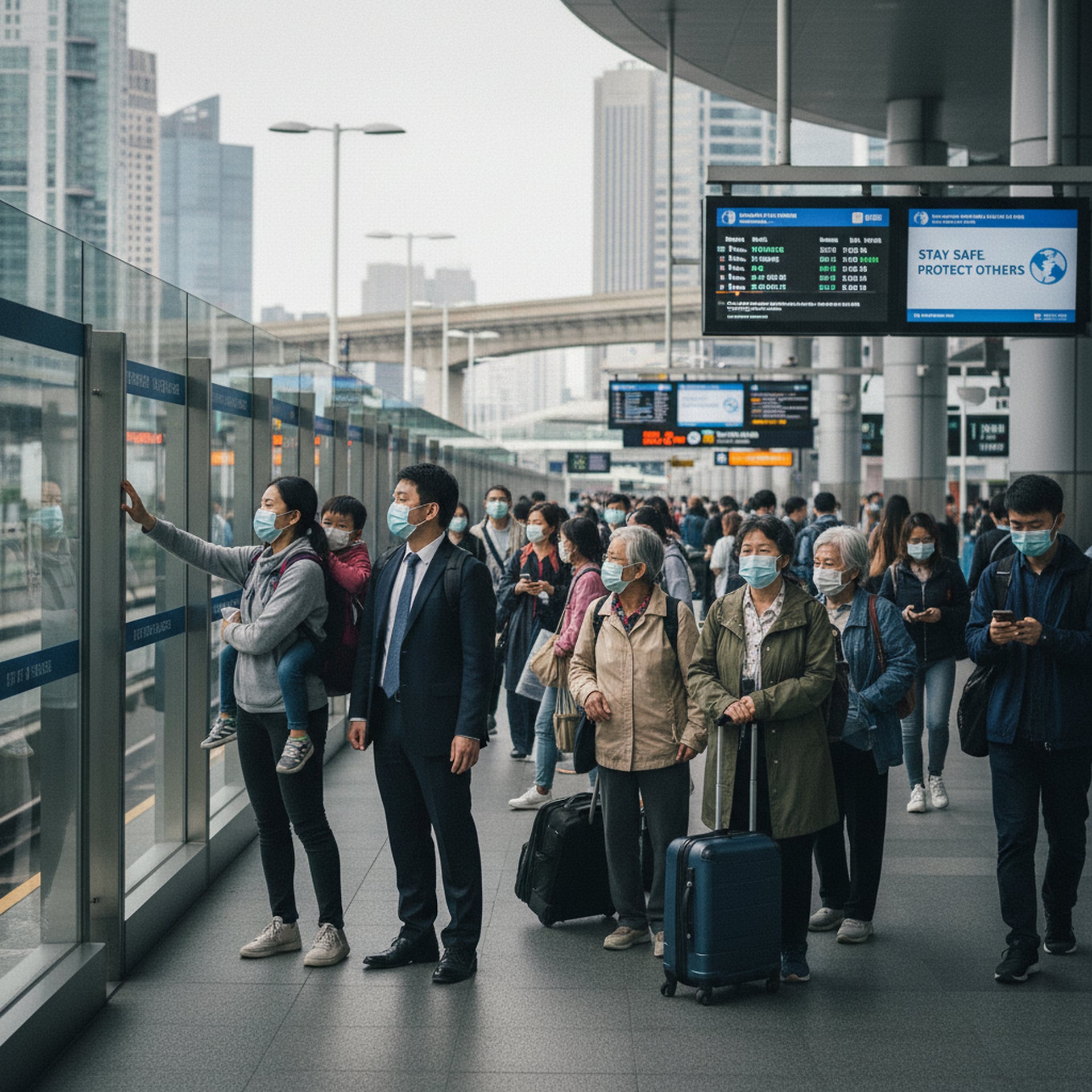
The intricate dance of respiratory viruses, often unseen, profoundly shapes global health landscapes. Recent groundbreaking research published in Nature illuminates this complex interplay, specifically focusing on how SARS-CoV-2, influenza, and respiratory syncytial virus (RSV) interact to influence the timing and overall risk of epidemics worldwide. This understanding moves beyond viewing each pathogen in isolation, instead presenting a dynamic ecosystem where the presence and activity of one virus can significantly alter the trajectory of others, demanding a more integrated and sophisticated approach to public health.
For decades, public health models largely operated on the assumption of relatively stable seasonal patterns for common respiratory pathogens like influenza and RSV. However, the emergence of SARS-CoV-2 and the subsequent COVID-19 pandemic dramatically disrupted these established rhythms. The Nature study underscores that this disruption was not merely a consequence of non-pharmaceutical interventions (NPIs) like masking and social distancing, but also a result of direct and indirect viral interactions. These interactions can manifest in various ways, including viral interference, where infection with one virus can temporarily reduce susceptibility to another, or competition for host resources and immune responses. Understanding these mechanisms is pivotal for accurately forecasting disease outbreaks and allocating resources effectively.
One of the most striking findings is the impact on epidemic timing. Historically, influenza and RSV typically peak during the colder months in temperate regions, following predictable annual cycles. The pandemic years, however, saw unprecedented shifts. For instance, many regions experienced significantly delayed or even absent influenza seasons during the initial waves of COVID-19, only to witness unusual out-of-season surges in subsequent years. Similarly, RSV, a major cause of severe respiratory illness in infants and young children, often saw its typical winter peak displaced, leading to unexpected summer or autumn outbreaks that strained pediatric healthcare systems. The research suggests that SARS-CoV-2, by dominating the respiratory viral landscape and eliciting broad immune responses, likely played a direct role in suppressing the circulation of other viruses, only for them to rebound once COVID-19 prevalence waned or population immunity to SARS-CoV-2 became more established. This phenomenon, sometimes referred to as "immunity debt," highlights how reduced exposure during periods of intense NPIs or viral dominance can leave populations more susceptible to subsequent waves of other pathogens.
Beyond timing, the interactions also influence the overall risk and severity of disease. While co-infections with multiple respiratory viruses are possible, their clinical implications are still being fully understood. Some studies have indicated that co-infection with SARS-CoV-2 and influenza, for example, could lead to more severe outcomes, particularly in vulnerable populations. Conversely, there might be instances where prior infection with one virus could offer a degree of temporary, non-specific protection against another, or at least alter the immune response in a way that modifies disease severity. The Nature research delves into these complex immunological landscapes, exploring how the immune system's response to one pathogen might prime or dampen its reaction to a subsequent infection with a different virus. This nuanced understanding is critical for clinicians and public health officials, as it informs patient management, risk stratification, and the development of more effective therapeutic strategies.
The implications for global public health are profound and far-reaching. Firstly, the study emphasizes the urgent need for enhanced and integrated surveillance systems. Traditional surveillance often focuses on individual pathogens, but the new paradigm demands a holistic approach that tracks the co-circulation and interaction patterns of multiple respiratory viruses simultaneously. This includes robust laboratory testing capabilities, comprehensive data collection, and advanced epidemiological modeling that can account for multi-viral dynamics. Such integrated surveillance would provide earlier warnings of impending outbreaks, allowing health authorities to prepare for shifts in disease burden and anticipate the specific challenges posed by interacting pathogens.
Secondly, the findings have significant ramifications for vaccination strategies. The timing and targeting of influenza vaccines, for instance, might need to be re-evaluated in light of altered seasonal patterns influenced by other circulating viruses. The development and deployment of new vaccines, such as those for RSV, must also consider the broader viral ecosystem. Understanding how different vaccines interact with the immune system and how they might influence susceptibility to other pathogens will be crucial for optimizing their impact. For example, if a dominant SARS-CoV-2 wave is expected, how might this affect the uptake or effectiveness of an influenza vaccine campaign? These are complex questions that require ongoing research and adaptive public health policies.
Furthermore, the research underscores the importance of global preparedness and equitable access to health resources. The unpredictable nature of multi-viral interactions means that healthcare systems must be agile and resilient. This includes ensuring adequate hospital bed capacity, particularly in intensive care units, sufficient supplies of personal protective equipment, diagnostic tests, and antiviral medications. The global nature of these viral threats also highlights that no country can tackle them in isolation. International collaboration in research, data sharing, and vaccine distribution is paramount to mitigating the impact of future pandemics and managing the ongoing challenges posed by respiratory viruses. Vulnerable populations, often in low- and middle-income countries, are disproportionately affected by shifts in disease patterns due to limited healthcare infrastructure and resources. Ensuring equitable access to diagnostics, treatments, and vaccines is not just an ethical imperative but a global health security necessity.
Looking ahead, the Nature study serves as a critical call to action for the scientific community and policymakers alike. Future research must continue to unravel the intricate molecular and immunological mechanisms underpinning viral interactions. This includes investigating the long-term consequences of altered viral exposure patterns on population immunity and the potential for new viral variants to emerge in response to changing ecological pressures. Developing more sophisticated predictive models that can incorporate these multi-viral dynamics will be essential for proactive public health planning. The era of treating respiratory viruses as independent entities is drawing to a close; a comprehensive, interconnected understanding is now indispensable for safeguarding global health. The Nivaran Foundation emphasizes that by embracing this integrated perspective, the world can better prepare for, respond to, and ultimately mitigate the profound impact of respiratory epidemics on human health and societal well-being.
Support Nivaran Foundation's mission to bring critical global health insights to communities worldwide, fostering informed action and preparedness.
Support this work