Nivaran Logo
News

Global Reckoning: Social Media Addiction Trial Signals New Era for Tech Accountability

A landmark US jury trial scrutinizing the addictive nature of social media platforms could reshape global discourse on youth mental well-being.

Global Reckoning: Social Media Addiction Trial Signals New Era for Tech Accountability

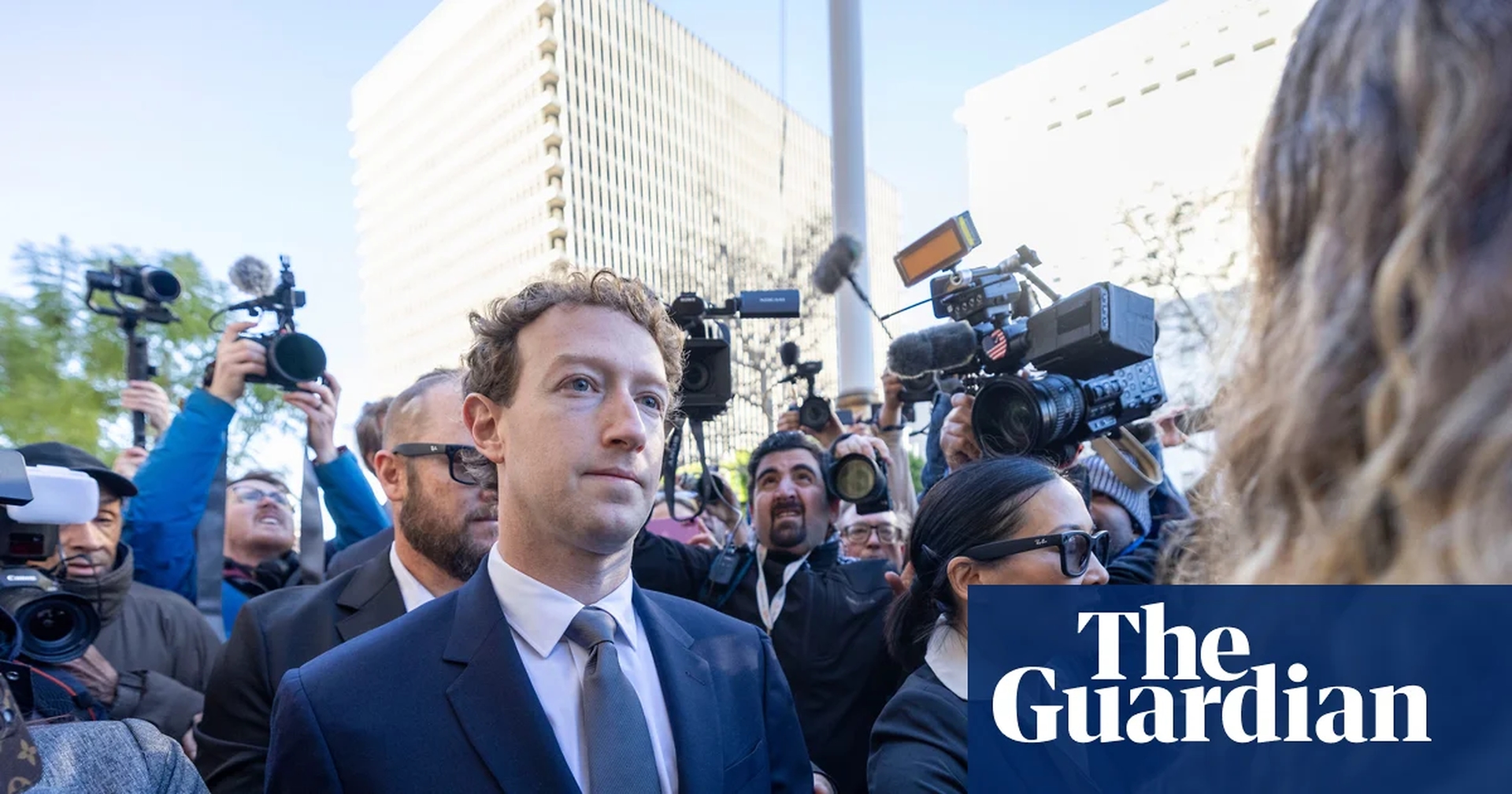
The global conversation surrounding the impact of digital platforms on youth mental health has reached a critical juncture, underscored by a landmark jury trial in the United States. This unprecedented legal battle, which recently concluded its arguments, pits major social media corporations against plaintiffs alleging that these platforms are deliberately designed to be addictive, causing profound psychological harm to young users worldwide. The outcome of this trial is widely anticipated to serve as a significant indicator for future legal and regulatory approaches to social media across the globe.

At the heart of the Los Angeles superior court proceedings were claims that companies like Meta and YouTube have engineered their products to maximize user engagement, effectively creating an "attention economy" where the primary currency is the time and focus of their audience. Lawyers representing a young woman central to the case argued that this design philosophy translates into features that exploit adolescent vulnerabilities, leading to compulsive use and subsequent mental health issues such as anxiety, depression, and diminished self-esteem. The plaintiff's legal team emphasized that the sophisticated algorithms and constant notification systems are not merely benign tools but powerful mechanisms crafted to keep users perpetually engaged, often at the expense of their well-being.

Conversely, legal representatives for the tech giants maintained that their platforms provide valuable connection and entertainment, asserting that they are safe for the vast majority of young individuals. They argued that the responsibility for managing screen time and content consumption ultimately rests with users and their guardians, suggesting that the platforms themselves are not inherently harmful. This defense highlights the complex debate over corporate responsibility versus individual agency in the digital age, a discussion that resonates far beyond the confines of this particular courtroom. The companies often point to the positive aspects of their services, such as facilitating communication, fostering communities, and providing access to information, as counterpoints to the accusations of harm.

The trial's focus on the "addictive" nature of social media platforms brings into sharp relief a growing global concern. Across continents, health professionals, educators, and policymakers are grappling with rising rates of mental health challenges among adolescents, with many pointing to the pervasive influence of digital technologies as a contributing factor. Studies and anecdotal evidence from various countries suggest correlations between excessive social media use and increased instances of sleep disturbances, cyberbullying, body image issues, and a general decline in overall psychological well-being among young populations. This trial, therefore, is not merely a domestic legal dispute but a reflection of a universal struggle to understand and mitigate the potential downsides of an increasingly digitalized world.

The concept of the "attention economy" articulated by the plaintiffs' lawyers, where companies profit from capturing and retaining user attention, is particularly pertinent in a global context. This economic model drives continuous innovation in engagement strategies, often without sufficient consideration for the long-term psychological effects on developing minds. The pursuit of user engagement, measured in metrics like daily active users and time spent on platform, can inadvertently incentivize designs that prioritize stickiness over user welfare. This commercial imperative raises profound ethical questions about the responsibilities of technology companies towards their youngest and most vulnerable users.

The potential ramifications of this US trial extend far beyond its immediate legal outcome. Should the jury find in favor of the plaintiffs, it could embolden similar legal actions in other jurisdictions, potentially leading to a wave of litigation against social media companies globally. This could compel tech firms to re-evaluate their product design principles, potentially leading to the implementation of features aimed at promoting digital well-being rather than merely maximizing engagement. Such a shift could involve redesigning notification systems, introducing mandatory breaks, or developing more robust age-verification and content moderation tools that prioritize user health.

Moreover, the trial is likely to intensify calls for greater governmental regulation of social media. Governments worldwide, from the European Union to nations in Asia and Africa, are already exploring or implementing various legislative measures to address online safety, data privacy, and the impact of digital platforms on children. A verdict emphasizing the addictive nature of social media could provide significant momentum for these regulatory efforts, potentially leading to stricter laws concerning age-appropriate design, data collection from minors, and transparency around algorithmic operations. The debate over whether social media companies should be treated more like tobacco or alcohol industries, subject to stringent health warnings and advertising restrictions, could gain significant traction.

Educators and parents globally are also keenly observing these developments. The trial serves as a stark reminder of the urgent need for comprehensive digital literacy programs in schools and greater parental guidance at home. Teaching young people critical thinking skills to navigate online content, understand algorithmic biases, and manage their digital footprint responsibly has become an essential component of modern education. Furthermore, parents are increasingly seeking resources and strategies to help their children cultivate healthy relationships with technology, balancing the benefits of connectivity with the imperative of protecting mental health.

The Nivaran Foundation, through its global health and education initiatives, recognizes the critical importance of fostering digital well-being. This trial underscores the foundation's commitment to advocating for environments that support the holistic development of young people, both online and offline. As technology continues to evolve at an unprecedented pace, ensuring that digital tools serve humanity’s best interests, rather than exploiting vulnerabilities, remains a paramount challenge. The ongoing global dialogue, fueled by legal actions such as this, is crucial for shaping a future where technology empowers without imperiling the mental health of the next generation.

The jury's deliberation in this US case represents more than just a legal decision; it symbolizes a societal reckoning with the profound and often unexamined consequences of pervasive digital engagement. It forces a collective introspection into how technology is designed, consumed, and regulated, and what responsibilities lie with those who create and disseminate these powerful platforms. Regardless of the specific verdict, the trial has irrevocably altered the discourse, pushing the conversation about social media's impact on youth mental health from the periphery to the forefront of global public consciousness and policy debate. The world watches, anticipating how this pivotal moment will influence the future landscape of digital interaction and the well-being of young people everywhere.

If this moved you, share it
FacebookLinkedInXWhatsApp

Support Nivaran Foundation's global initiatives advocating for digital well-being and mental health awareness among youth.

Support this work

Nivaran logo
Nivaran Foundation Global Desk

Reporting from the Nivaran Foundation's global desk, dedicated to fostering health and education worldwide.

InstagramFacebookLinkedInX
More from the field
News
Investigation Launched into Deadly Strike on Iranian School
News
Global Health and Education Watch: King Charles concerned about Alberta separatist movement, First Nation
News
AI Toys Need Strict Global Oversight for Child Safety