
Nivaran Logo
News

Global Implications of Violence in Sacred and Educational Spaces

Recent incidents underscore the urgent need for enhanced safety, mental health support, and peace education worldwide.

Global Implications of Violence in Sacred and Educational Spaces

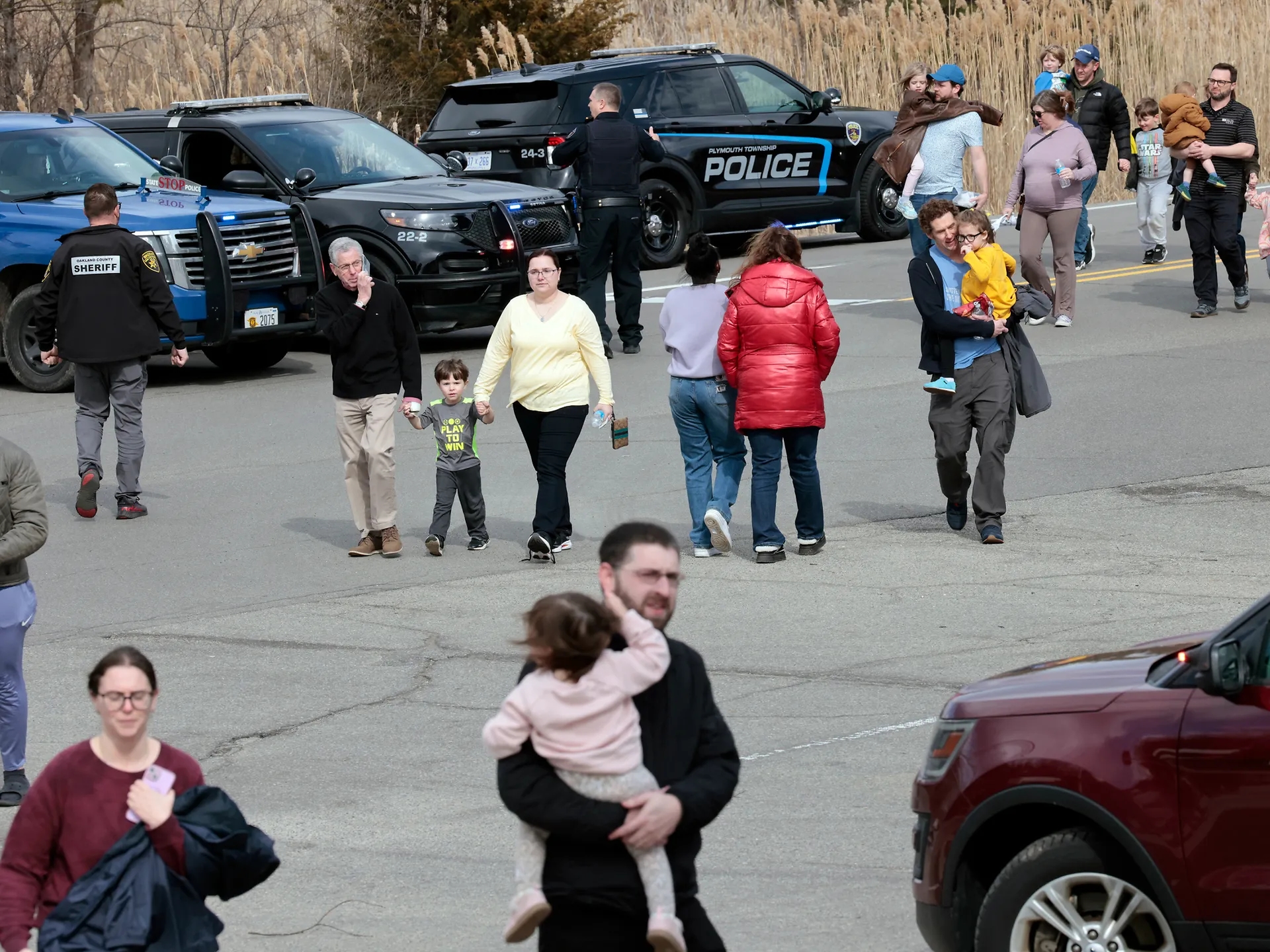
Recent events, including a vehicle ramming incident at Temple Israel synagogue in Detroit, Michigan, and a shooting at a university in Virginia, serve as stark reminders of a pervasive global challenge: the increasing vulnerability of spaces traditionally considered safe havens. These incidents, while geographically specific, resonate across continents, highlighting universal concerns regarding public safety, mental health, and the sanctity of educational and religious institutions. For the Nivaran Foundation's global news desk, these occurrences underscore the critical need for a concerted international focus on the profound implications for global health and education.

The psychological toll of such acts of violence extends far beyond the immediate victims, casting a long shadow over entire communities. The fear, anxiety, and sense of insecurity generated by attacks on places of worship or learning can have devastating long-term mental health consequences. Students, faculty, congregants, and their families worldwide grapple with trauma, stress, and a diminished sense of safety. This collective psychological burden requires robust, accessible mental health support systems, community-based counseling, and long-term therapeutic interventions to help individuals and communities heal and rebuild trust. The global health community must recognize violence as a significant public health issue, necessitating preventative strategies and responsive care.

Educational institutions, from primary schools to universities, face an increasingly complex task of balancing open, accessible learning environments with stringent security measures. The incident at the Virginia university, for instance, compels a global re-evaluation of campus safety protocols, emergency response plans, and the integration of mental health services into student support systems. Universities are melting pots of diverse cultures and ideas, and ensuring the physical and psychological safety of students and staff from various backgrounds is paramount. This involves not only physical security enhancements, such as controlled access and surveillance, but also fostering inclusive campus cultures that proactively address potential precursors to violence, such as social isolation, discrimination, or radicalization.

Similarly, places of worship globally have become targets for hate-motivated violence, challenging the fundamental right to religious freedom and safety. The attack on the Detroit synagogue mirrors a disturbing trend where religious sites are increasingly vulnerable to extremism and prejudice. Protecting these sacred spaces requires a multi-faceted approach that includes enhanced physical security, community vigilance, and robust interfaith dialogue aimed at fostering understanding and solidarity. The well-being of congregants is intrinsically linked to their ability to practice their faith without fear, making the security of religious institutions a critical component of global public health and human rights.

Understanding the root causes of such violence is crucial for effective prevention. These acts are rarely isolated; they often stem from a complex interplay of factors including the proliferation of extremist ideologies online, socio-economic disparities, mental health crises, and easy access to weapons. Addressing these underlying issues requires a holistic, global approach that transcends national borders. International collaboration on intelligence sharing, countering online radicalization, and promoting social cohesion are vital steps in dismantling the networks and ideologies that fuel such violence. This necessitates a commitment from governments, civil society organizations, and international bodies to work in concert.

Education plays an indispensable role in preventing violence and fostering a culture of peace. Curricula that promote empathy, critical thinking, media literacy, and conflict resolution can equip younger generations with the tools to resist extremist narratives and embrace diversity. Global educational initiatives focused on intercultural understanding, human rights, and civic engagement are essential in building resilient societies that value peaceful coexistence. By investing in comprehensive peace education from an early age, we can cultivate a generation that is better prepared to navigate differences constructively and reject violence as a solution.

Framing violence as a public health issue allows for a proactive, preventative approach rather than solely reactive law enforcement. This involves identifying risk factors, implementing early intervention programs for individuals at risk, and ensuring accessible mental health services for all. A public health framework emphasizes community-based solutions, de-escalation training, and multi-sectoral collaboration involving health professionals, educators, law enforcement, and community leaders. This integrated approach can help mitigate the impact of violence and foster environments where individuals feel supported and safe.

In the aftermath of violence, community resilience is paramount for long-term recovery. Supporting affected communities through collective healing, remembrance, and rebuilding trust is crucial. This often involves local leadership, mental health professionals, and grassroots initiatives working together to restore a sense of normalcy and security. The ability of a community to come together, support its members, and collectively address the trauma is a testament to human strength and a vital component of global well-being. Fostering strong social bonds and mutual support networks can act as a powerful buffer against the divisive forces of violence.

The interconnectedness of today's world means that incidents in one region can have ripple effects globally, inspiring or impacting others. Therefore, global collaboration on intelligence sharing, best practices in security, and joint efforts to counter online radicalization are essential. International forums and partnerships can facilitate a coordinated response to these pervasive threats, ensuring that lessons learned in one part of the world can inform preventative strategies everywhere. This shared responsibility underscores the need for continuous dialogue and cooperation among nations.

Foundations like Nivaran play a critical role in supporting initiatives that address the mental health impacts of violence, promote peace education, and strengthen community resilience globally. By investing in research, advocacy, and on-the-ground programs, these organizations contribute significantly to building a safer, healthier world for all. Their work often fills crucial gaps in governmental responses, providing vital support to vulnerable populations and championing long-term solutions.

The recent events in Michigan and Virginia serve as stark reminders of the persistent global challenge of violence in public and educational spaces. Addressing these threats requires a concerted, multi-faceted effort focused on enhancing security, promoting mental well-being, fostering inclusive education, and strengthening community bonds across the globe. Only through collective action, underpinned by a shared commitment to peace and human dignity, can we hope to safeguard the sanctity of learning and worship for future generations, ensuring that these vital spaces remain beacons of hope and progress, rather than sites of fear.

If this moved you, share it
FacebookLinkedInXWhatsApp

Support Nivaran Foundation's global initiatives to foster mental well-being and promote peace education in vulnerable communities.

Support this work

Nivaran logo
Nivaran Foundation Global Desk

Nivaran Foundation global desk bio line

InstagramFacebookLinkedInX
More from the field
News
Investigation Launched into Deadly Strike on Iranian School
News
Global Health and Education Watch: King Charles concerned about Alberta separatist movement, First Nation
News
AI Toys Need Strict Global Oversight for Child Safety