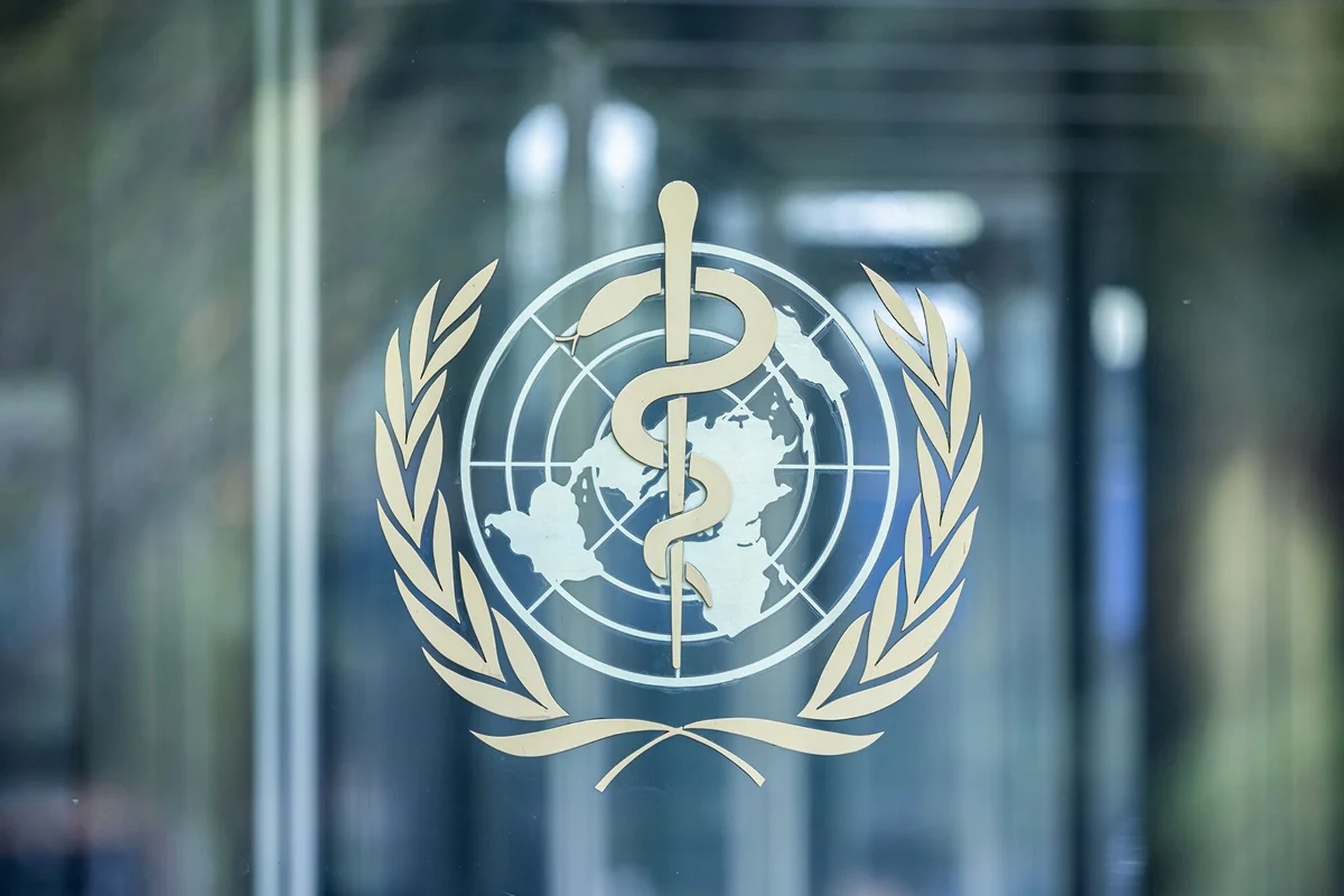
The global health landscape has been significantly altered following the formal notification by the United States of its intent to withdraw from the World Health Organization (WHO). This pivotal decision, conveyed to the international body, has elicited profound regret from the WHO, which underscored the potential ramifications for both the United States' own health security and the broader global community. The announcement, made public on January 24, 2026, sets in motion a series of complex deliberations, with the WHO Executive Board slated to address the issue at its regular meeting commencing February 2, followed by a more extensive review during the annual World Health Assembly in May 2026. This move marks a critical juncture for multilateralism in health.
The United States has historically been a cornerstone of the World Health Organization since its inception, playing an instrumental role in shaping global health policy, funding critical initiatives, and providing scientific expertise. Its contributions have been vital across a spectrum of public health achievements, from the eradication of smallpox to the ongoing battles against polio, HIV/AIDS, and malaria. The nation's financial commitments, both assessed and voluntary, have consistently positioned it as the largest single donor, underpinning numerous programs designed to strengthen health systems, respond to emergencies, and develop international health regulations. While periods of policy divergence and constructive criticism are not uncommon in international relations, a full withdrawal represents an unprecedented shift in this long-standing relationship, challenging the very fabric of global health governance that the US helped to build.
The World Health Organization serves as the primary global authority for international health, mandated to direct and coordinate international health work. Its expansive mission encompasses setting international health standards and guidelines, providing technical assistance to member states, conducting disease surveillance, and coordinating responses to health emergencies. From developing essential medicines lists to leading vaccination campaigns and advocating for universal health coverage, the WHO's work is intrinsically linked to the health and well-being of billions. It acts as a crucial forum for nations to collaborate on shared health challenges that transcend borders, ensuring a coordinated approach to threats like pandemics, antimicrobial resistance, and climate-related health impacts. The organization's neutrality and global reach are paramount in fostering trust and facilitating collective action in an increasingly interconnected world.
The most immediate and tangible impact of the United States' withdrawal will undoubtedly be financial. As the largest contributor, the absence of US funding, which includes both mandatory assessed contributions and voluntary donations for specific programs, will create a substantial void in the WHO's budget. This fiscal deficit threatens to severely curtail essential operations, particularly those focused on disease surveillance in vulnerable regions, emergency preparedness and response, and the delivery of critical health services in low-income countries. Programs targeting specific diseases, such as tuberculosis, malaria, and HIV, which rely heavily on sustained international funding, could face significant cutbacks. The WHO will be compelled to explore alternative funding mechanisms and appeal to other member states and philanthropic organizations to bridge this gap, a challenge that could divert resources and attention from core health priorities.
Beyond the financial ramifications, the US withdrawal carries profound political and diplomatic implications for global health governance. The absence of a major global power from the WHO's decision-making tables could diminish the organization's overall influence and legitimacy on the world stage. The United States has historically wielded significant diplomatic weight within the WHO, shaping agendas, advocating for specific policies, and driving consensus on complex health issues. Its departure risks creating a vacuum in leadership, potentially leading to fragmentation in global health policy and a weakening of international health regulations. It could also embolden other nations to reconsider their commitments to multilateral institutions, thereby undermining the collective action necessary to address universal health threats that respect no borders. The move challenges the very principle of shared responsibility for global well-being.
The WHO's statement that the withdrawal makes "both the United States and the world less safe" underscores the interconnectedness of global health. From a programmatic perspective, US disengagement could directly impact initiatives vital for global safety. For instance, the Global Polio Eradication Initiative, heavily supported by US funding and expertise, could face setbacks, risking a resurgence of the disease in areas nearing eradication. Similarly, efforts to develop and distribute vaccines for emerging pathogens, coordinate responses to infectious disease outbreaks, and strengthen health worker training in fragile states could be severely hampered. For the United States, withdrawing means losing direct access to the WHO's global intelligence network, early warning systems for epidemics, and the collective scientific expertise crucial for protecting its own citizens from imported diseases and international health threats. This isolation could compromise its ability to respond effectively to future health crises.
The upcoming meetings of the WHO Executive Board and the World Health Assembly will be critical forums for navigating this unprecedented situation. These bodies will likely engage in extensive discussions regarding the legal and operational implications of the withdrawal, including potential adjustments to the organization's budget, governance structures, and strategic priorities. Member states will have the opportunity to express their views, explore contingency plans, and reaffirm their commitment to the WHO's mission. The focus will be on ensuring the continuity of essential global health programs and maintaining the integrity of the international health regulations, even in the face of such a significant challenge.
The withdrawal compels a broader re-evaluation of global health governance. While presenting significant challenges, it also creates an impetus for other nations and regional blocs to potentially step into a more prominent leadership role. There may be opportunities for increased collaboration among remaining member states, a diversification of funding sources, and a renewed focus on strengthening the WHO's core functions. However, the path forward is fraught with complexities, requiring robust diplomatic engagement, innovative financing solutions, and a steadfast commitment to the principles of multilateralism to ensure that the world remains equipped to tackle the health challenges of the 21st century.
The United States' notification of withdrawal from the WHO represents a moment of profound uncertainty for global health. As the international community grapples with this decision, the imperative for collective action and unwavering commitment to health equity and security for all remains paramount. The world watches as the WHO and its member states navigate this critical juncture, striving to uphold the foundational principles of international cooperation in health.
Support Nivaran Foundation's efforts to foster global health collaboration and resilient health systems worldwide.
Support this work