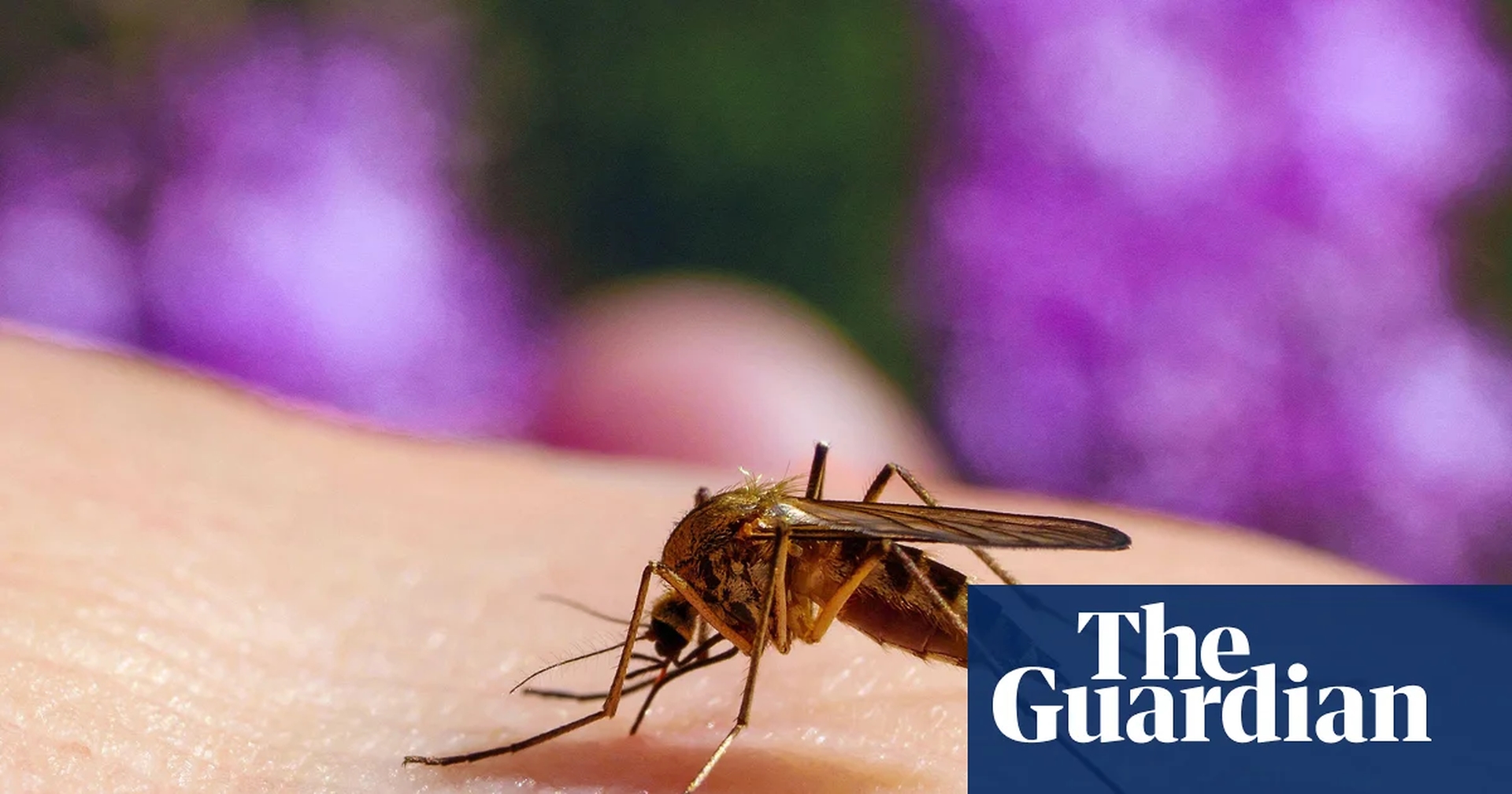
On August 13, 2026, one of the clearest global signals came through THEGUARDIAN.COM: Stop the bites! How to survive another summer of mosquitoes, midges and horseflies. The line may read like a headline, but the implications are operational. Dress like a zebra, wash your feet, keep off the beer: insect experts explain what works and what doesn’t – and why some of us get bitten more than others It’s a good time to be a mosquito or other blood-sucking insect. In the UK and beyond, they are enjoying the summer heat, and there are lots of humans outdoors, some wearing very little, like an all-you-can-eat walking buffet. Some of the humans are drinking beer, which apparently makes them even more irresistible to mosquitoes. Many of us are warm and sweaty, which is all the better for the blood-suckers seeking us out. Insect populations are changing because of the warming climate and there are organisations keeping an eye on invasive species, especially mosquitoes, which can be vectors for diseases such as dengue and malaria (globally, more than 600,000 people a year die from malaria). The UK “will have a threat from mosquito-borne diseases as time goes on,” says James Logan, professor of medical entomology at the London School of Hygiene and Tropical Medicine, and CEO of Dot, an “odour intelligence” company. “The biggest threats are arboviruses [viruses transmitted by arthropods, especially insects and ticks], such as dengue. We have mosquitoes throughout [mainland] Europe now that can transmit dengue. We also know that we do get those mosquitoes coming across to the UK, but they don’t seem to be breeding here successfully and surviving over the winter.” But, he warns, with milder winters and warmer summers, it is only a matter of time. Continue reading... In moments like this, the real question is not only what happened, but what gets delayed next: a vaccination schedule, a school meal chain, a maternal referral, or a teacher posting in a district where one interruption can close an entire service corridor.
Health and education are often discussed in separate policy rooms, yet in real communities they are a single daily system. When healthcare access weakens, school attendance drops because children are sick, caregivers are absent, and household budgets are redirected to emergency treatment. When education continuity weakens, health outcomes decline because prevention messages, early warning communication, and basic protective behaviors lose reach. A global development therefore has local consequences long before ministries issue formal guidance.
This is why credibility of source matters as much as speed. Information that is merely loud can push organizations toward reaction theater, while verified reporting supports disciplined action. For frontline teams, discipline means triaging what to monitor first, what to communicate publicly, and which operating assumptions must change before the next shift. The value of a strong signal is not drama. The value is lead time. Lead time is what converts uncertainty into preparedness.
Sustained field reporting and accountable publishing are what keep critical global signals visible before they become humanitarian emergencies.
Support this work