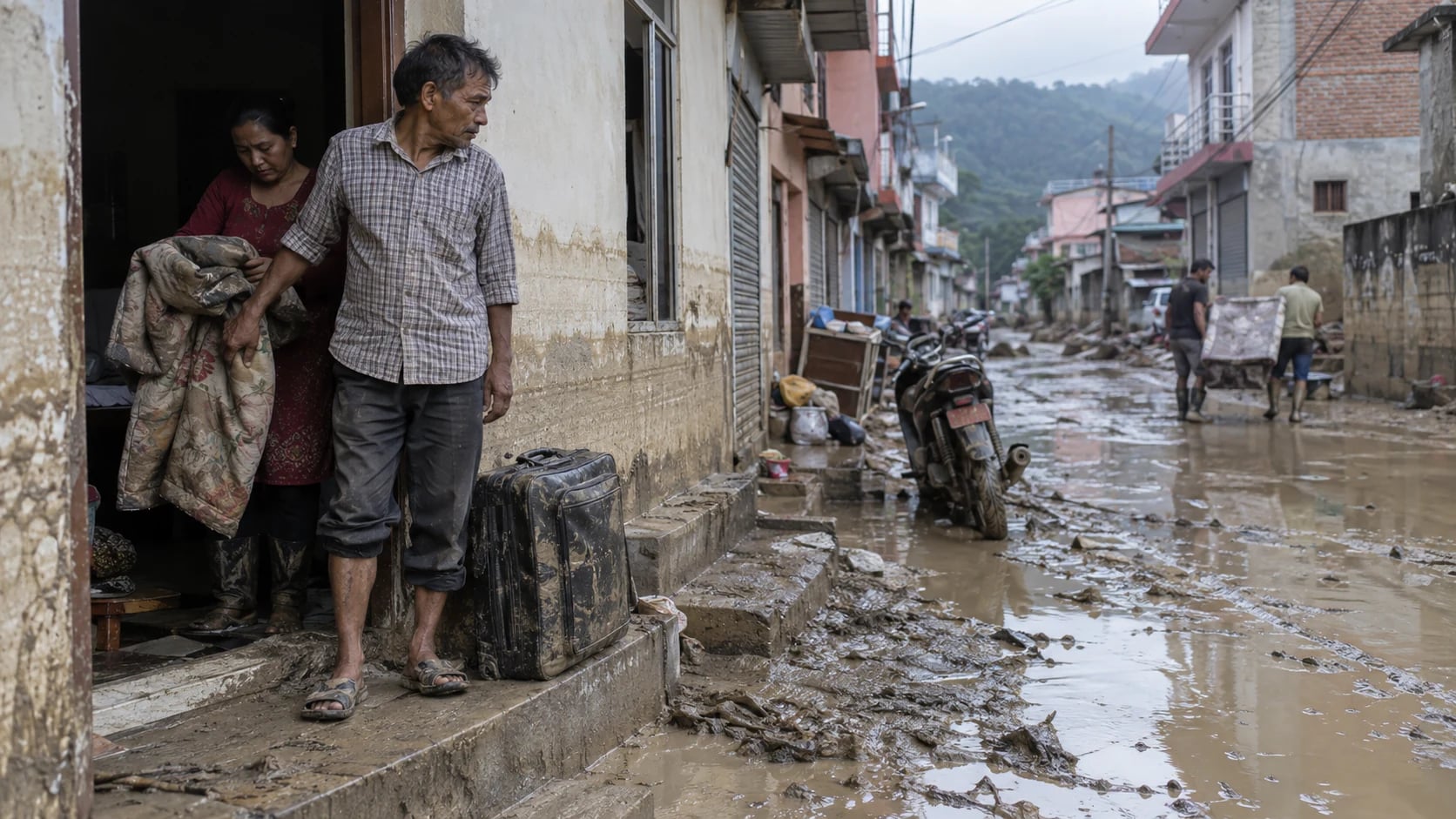
Health protection after a flood includes work that rarely appears in a dramatic photograph: listening to reports from communities, checking unusual patterns and helping local teams act on reliable information.
A 9 September update from WHO Nepal describes how the government, supported by WHO, has strengthened disease surveillance in flood-affected areas. Health facilities, holding centres, mobile teams and community networks contribute reports. Field teams help health workers record suspected cases and other warning signals each day.
A report is the beginning of an investigation
WHO describes an example from 4 September, when an increase in fever-with-rash reports prompted follow-up in Bidur Municipality. Teams checked the reports and reviewed cases. They did not find an outbreak of a single common febrile rash illness; the reports included different conditions. Advice and preventive measures followed, with monitoring continuing.
That distinction matters: an alert calls for verification. It does not, by itself, establish an outbreak. Read WHO’s post-disaster surveillance update.
Connecting local information with a national system
The reports feed into SORMAS, a digital platform for surveillance and outbreak response. In an August 7 update, WHO said Nepal had completed its rollout across all 753 municipalities, following implementation between May 2023 and December 2025. More than 1,500 Rapid Response Team members had received training.
The platform brings information from health facilities and communities together, supports risk assessment and helps authorities coordinate follow-up. It operates alongside Nepal’s existing early warning system. Read WHO’s account of the nationwide rollout.
What this means for recovery
Our view is that recovery funding should value the work around a medical consultation as well as the consultation itself: communication, coordination and the ability to follow an issue through. A health response needs a clear path from a concern raised locally to a decision about what happens next.
The activities reported here belong to Nepal’s health authorities, WHO and their partners. Nivaran’s own flood appeal remains at the fundraising stage before deployment. See the appeal and its planned priorities.
Help Nivaran bring free consultations and essential care to rural communities in Nepal.
Support this work