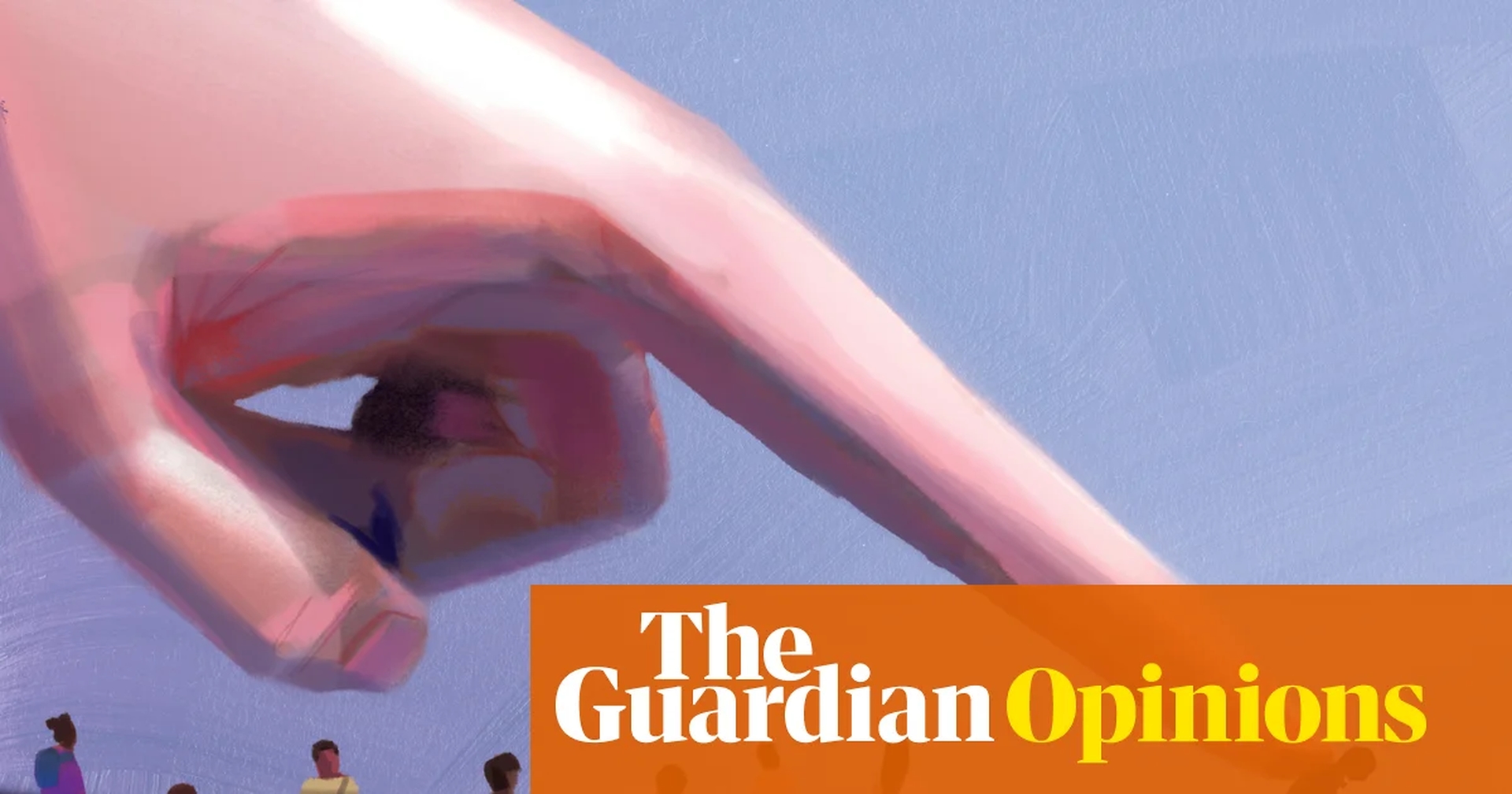
On August 13, 2026, one of the clearest global signals came through THEGUARDIAN.COM: Jason Arday is now the stick the right will use to beat back racial equality. Don’t let that happen | Afua Hirsch. The line may read like a headline, but the implications are operational. The UK is far from equality in academia or society. You don’t need a Cambridge degree to see that Arday’s story is being used to stop any progress in its tracks In 1987, a college at the University of Cambridge considered offering a prestigious position to a black man in what would be the first appointment of its kind. Not only did the man not have a degree, but he had left school at the age of 13, struggling with dyslexia and – at the time – unable to read or write. That he would later to go on to accumulate 20 honorary doctorates and become a professor of creative writing is only one way, and in my view not the best one, of measuring his talent. The man was the late, great poet Benjamin Zephaniah . And he had been nothing but transparent about his lack of credentials. In fact it was his background that made him eligible for this fellowship, which was designed to reach out to somebody in the community who didn’t have a degree, to give them the opportunity to have a connection with the university. Continue reading... In moments like this, the real question is not only what happened, but what gets delayed next: a vaccination schedule, a school meal chain, a maternal referral, or a teacher posting in a district where one interruption can close an entire service corridor.
Health and education are often discussed in separate policy rooms, yet in real communities they are a single daily system. When healthcare access weakens, school attendance drops because children are sick, caregivers are absent, and household budgets are redirected to emergency treatment. When education continuity weakens, health outcomes decline because prevention messages, early warning communication, and basic protective behaviors lose reach. A global development therefore has local consequences long before ministries issue formal guidance.
This is why credibility of source matters as much as speed. Information that is merely loud can push organizations toward reaction theater, while verified reporting supports disciplined action. For frontline teams, discipline means triaging what to monitor first, what to communicate publicly, and which operating assumptions must change before the next shift. The value of a strong signal is not drama. The value is lead time. Lead time is what converts uncertainty into preparedness.
The current signal from THEGUARDIAN.COM sits at the intersection of financing pressure, workforce strain, and uneven access. In many countries, the same local institutions are expected to expand services while absorbing budget volatility, higher caseload complexity, and growing public expectations. That mismatch does not fail all at once. It fails in sequence: first wait times, then coverage reliability, then trust. Once trust breaks, both clinical care and learning continuity become harder to stabilize.
Sustained field reporting and accountable publishing are what keep critical global signals visible before they become humanitarian emergencies.
Support this work