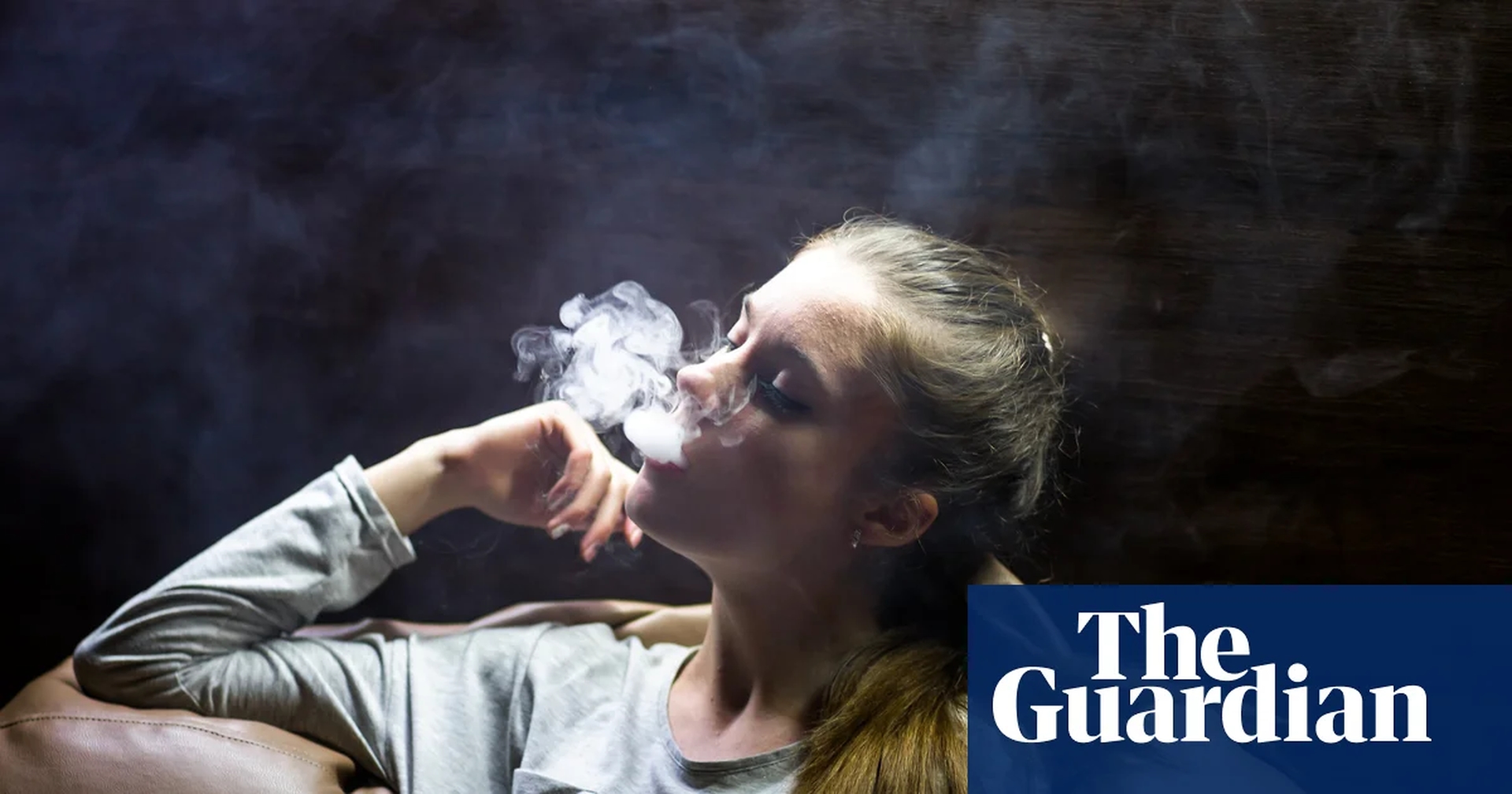
On August 06, 2026, one of the clearest global signals came through THEGUARDIAN.COM: ‘It can make you psychotic or give you a cardiac arrest’: why are so many children vaping the ‘prison drug’ spice?. The line may read like a headline, but the implications are operational. Parents and teachers worry about the number of kids who vape cannabis. But many of them are using something far more dangerous – without even realising it I bumped into an old acquaintance the other day. Updating me on his children’s ages, he said, with an eyeroll of resignation: “My daughter’s 15 now; just found a cannabis vape in her room.” It’s an increasingly common and concerning situation for parents – with no way of telling if a vape does in fact contain weed (which comes with its own risks, just like vaping tobacco) or something much worse. Instead of the natural cannabinoids THC or CBD, these vapes can contain a much cheaper substitute: the “prison drug” spice. Last year scientists from the University of Bath analysed 1,923 vapes that had been confiscated from children in 114 schools in England, and found that 13% contained spice. In London and Lancashire it was 25%. And this is among vapes of all kinds, nicotine included, not just those that purported to contain cannabis. As for vapes labelled as containing THC, CBD or cannabis, when the drug-testing service Wedinos (part of Public Health Wales) examined 297 samples received in the year up to March 2025, it found that 39% contained spice. Continue reading... In moments like this, the real question is not only what happened, but what gets delayed next: a vaccination schedule, a school meal chain, a maternal referral, or a teacher posting in a district where one interruption can close an entire service corridor.
Health and education are often discussed in separate policy rooms, yet in real communities they are a single daily system. When healthcare access weakens, school attendance drops because children are sick, caregivers are absent, and household budgets are redirected to emergency treatment. When education continuity weakens, health outcomes decline because prevention messages, early warning communication, and basic protective behaviors lose reach. A global development therefore has local consequences long before ministries issue formal guidance.
This is why credibility of source matters as much as speed. Information that is merely loud can push organizations toward reaction theater, while verified reporting supports disciplined action. For frontline teams, discipline means triaging what to monitor first, what to communicate publicly, and which operating assumptions must change before the next shift. The value of a strong signal is not drama. The value is lead time. Lead time is what converts uncertainty into preparedness.
The current signal from THEGUARDIAN.COM sits at the intersection of financing pressure, workforce strain, and uneven access. In many countries, the same local institutions are expected to expand services while absorbing budget volatility, higher caseload complexity, and growing public expectations. That mismatch does not fail all at once. It fails in sequence: first wait times, then coverage reliability, then trust. Once trust breaks, both clinical care and learning continuity become harder to stabilize.
Sustained field reporting and accountable publishing are what keep critical global signals visible before they become humanitarian emergencies.
Support this work