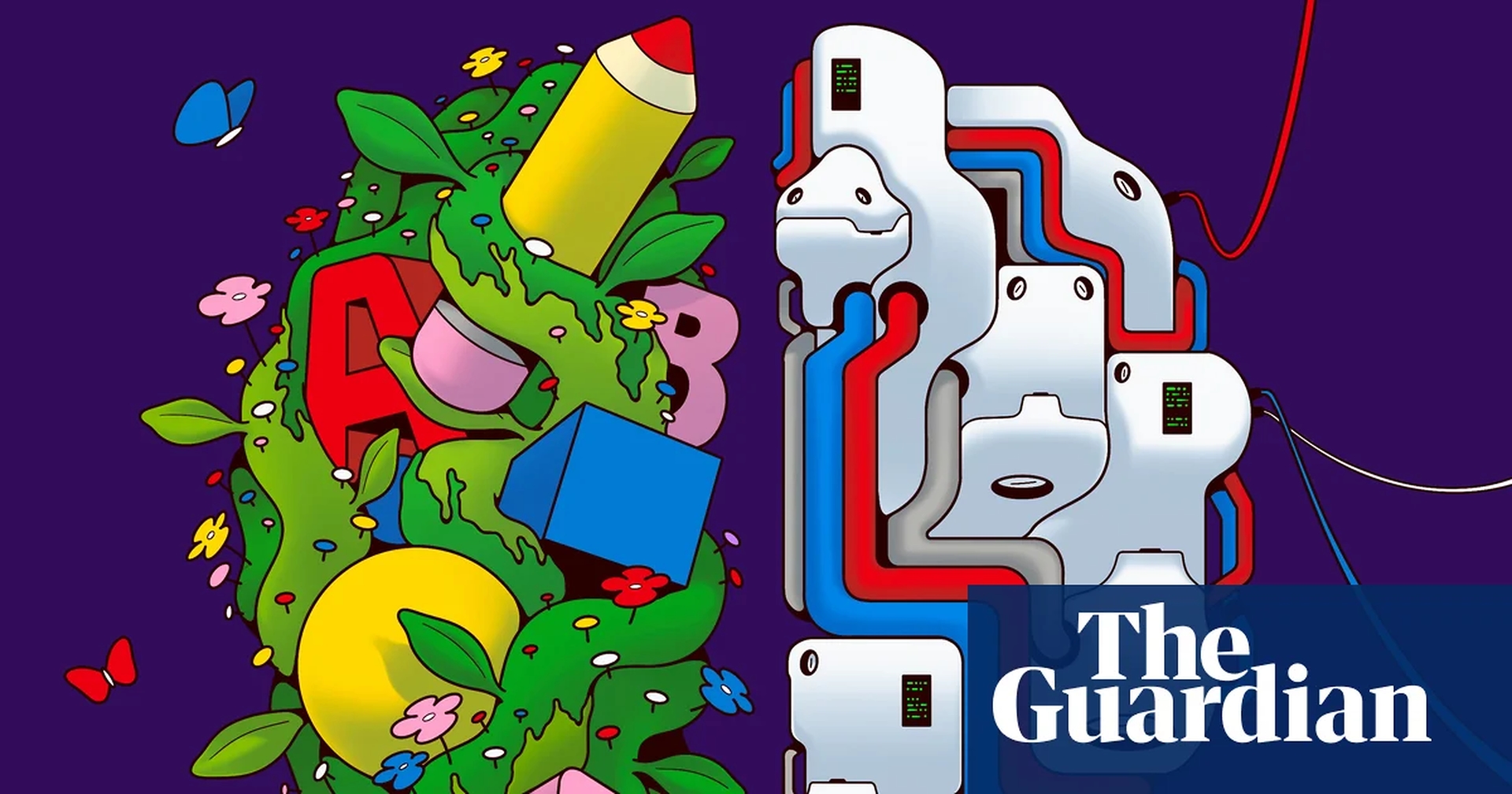
On August 08, 2026, one of the clearest global signals came through THEGUARDIAN.COM: ‘I hate what AI is doing to the minds and happiness of the young’: Katherine Rundell on the view from the classroom. The line may read like a headline, but the implications are operational. Education is at a crossroads, argues the author and academic. Should we embrace new technology in the name of efficiency, or is it time to fight back? If you set out to design from scratch a tool to facilitate authoritarian rule, it would look exactly like AI. You would cherish it for its ability to destabilise our shared reality and its creation of disinformation on a scale unprecedented in human history. With it you need no armies of typists and artists to spread your propaganda. It can enable mass surveillance and thereby put shackles on those who seek to resist you. Its lethal autonomous weapons systems can perfect and normalise remote killing. It will turbocharge inequality; it is already facilitating a breathtaking shift of power and wealth from the hands of the many to the hands of a tiny number of men who – to put it in terms for which I can’t be sued – seem to hold dangerously damaged views about the value and dignity of human life. AI could be a magnificent thing. It could revolutionise medicine, speed the cure of cancer, assist disabled people, transform the way we are able to understand data, democratise access to the law, bolster disaster early warning systems and uncover hitherto unimagined truths about the Earth’s ecosystems. But if it ends up in the hands of crooks and despots that will be completely irrelevant. Continue reading... In moments like this, the real question is not only what happened, but what gets delayed next: a vaccination schedule, a school meal chain, a maternal referral, or a teacher posting in a district where one interruption can close an entire service corridor.
Health and education are often discussed in separate policy rooms, yet in real communities they are a single daily system. When healthcare access weakens, school attendance drops because children are sick, caregivers are absent, and household budgets are redirected to emergency treatment. When education continuity weakens, health outcomes decline because prevention messages, early warning communication, and basic protective behaviors lose reach. A global development therefore has local consequences long before ministries issue formal guidance.
This is why credibility of source matters as much as speed. Information that is merely loud can push organizations toward reaction theater, while verified reporting supports disciplined action. For frontline teams, discipline means triaging what to monitor first, what to communicate publicly, and which operating assumptions must change before the next shift. The value of a strong signal is not drama. The value is lead time. Lead time is what converts uncertainty into preparedness.
The current signal from THEGUARDIAN.COM sits at the intersection of financing pressure, workforce strain, and uneven access. In many countries, the same local institutions are expected to expand services while absorbing budget volatility, higher caseload complexity, and growing public expectations. That mismatch does not fail all at once. It fails in sequence: first wait times, then coverage reliability, then trust. Once trust breaks, both clinical care and learning continuity become harder to stabilize.
Sustained field reporting and accountable publishing are what keep critical global signals visible before they become humanitarian emergencies.
Support this work