
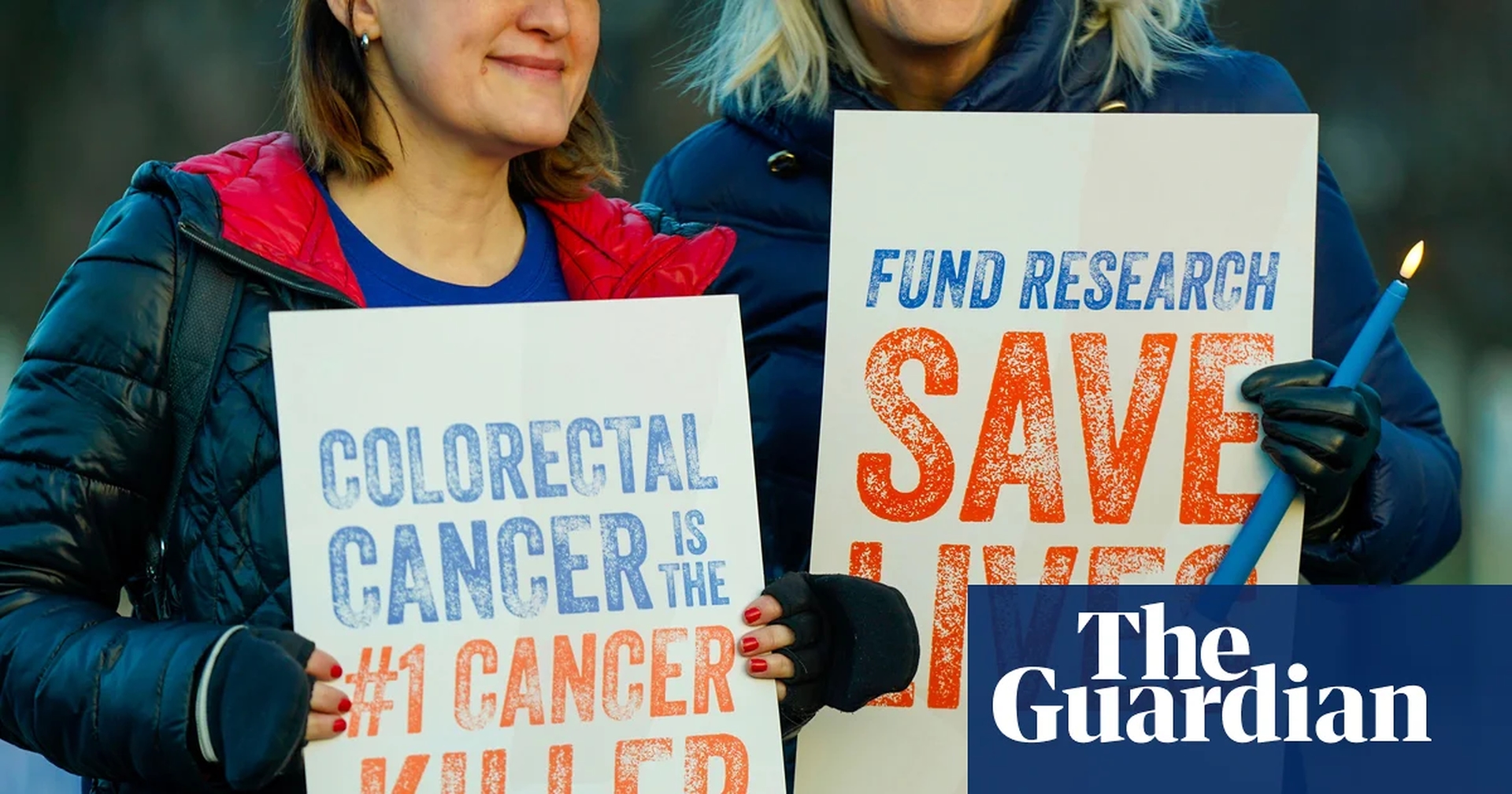
The landscape of global health is witnessing a disturbing shift, with colorectal cancer emerging as the leading cause of cancer-related deaths among individuals under the age of 50 in the United States. This alarming finding, highlighted by a recent analysis from the American Cancer Society, serves as a critical warning that resonates far beyond American borders, signaling a potential global health crisis demanding immediate attention and a re-evaluation of public health strategies worldwide. While the initial data points to the US, experts are increasingly concerned that similar trends are either underway or will soon manifest in other nations grappling with evolving lifestyles and healthcare challenges.
For too long, colorectal cancer has been predominantly associated with older demographics, leading to a dangerous complacency among younger populations and healthcare providers alike. This perception has fostered an environment where crucial symptoms are often dismissed, misattributed to less serious conditions, or simply overlooked until the disease has progressed to advanced stages. The human cost of this delay is profound, transforming what could be a treatable condition into a formidable battle against advanced cancer. The story of individuals like Becca Lynch, diagnosed with advanced colon cancer at just 29 after initially attributing her symptoms to stress, underscores the urgent need for a paradigm shift in how younger people perceive and respond to their bodily signals.
The reasons behind this unsettling rise in early-onset colorectal cancer are complex and multifaceted, pointing towards a confluence of modern lifestyle factors and potentially environmental influences. A significant body of research suggests a strong correlation between dietary habits prevalent in many industrialized and rapidly developing nations and an increased risk of colorectal cancer. Diets rich in processed foods, red and processed meats, refined grains, and high sugar content, coupled with insufficient intake of fiber, fruits, and vegetables, are increasingly implicated. These dietary patterns contribute to chronic inflammation, obesity, and alterations in the gut microbiome, all of which are recognized risk factors for colorectal cancer. The global spread of these dietary trends, often termed the 'Western diet,' means that populations across continents are now exposed to similar risk profiles.
Beyond diet, sedentary lifestyles have become a pervasive issue globally. The shift towards desk-bound jobs, increased screen time, and reduced physical activity contributes significantly to obesity, another well-established risk factor for various cancers, including colorectal cancer. Alcohol consumption, particularly heavy drinking, and smoking also play a role, further exacerbating the risk for younger individuals who may engage in these habits. While genetic predispositions account for a smaller percentage of early-onset cases, the overwhelming majority appear to be linked to these modifiable lifestyle factors, making prevention and public health interventions critically important.
One of the most insidious aspects of this trend is the often-subtle nature of early symptoms and the tendency for younger individuals to disregard them. Symptoms such as persistent changes in bowel habits (diarrhea or constipation), rectal bleeding, blood in stool, abdominal pain or cramps, unexplained weight loss, and persistent fatigue are frequently attributed to benign conditions like hemorrhoids, irritable bowel syndrome (IBS), or simply stress. The prevailing belief that 'cancer only affects older people' creates a dangerous blind spot, leading to prolonged delays in seeking medical attention. Healthcare providers, too, can sometimes fall into this trap, potentially delaying appropriate diagnostic tests like colonoscopies for younger patients presenting with these symptoms. This diagnostic lag is a critical factor in the increasing number of advanced-stage diagnoses among under-50s, where treatment options are more limited and prognoses are often poorer.
The global health community must urgently address the need for heightened awareness among both the public and medical professionals. Public health campaigns need to be launched or amplified globally, specifically targeting younger demographics with clear, unambiguous messages about colorectal cancer symptoms and the importance of early intervention. These campaigns should challenge the misconception that this is an 'old person's disease' and empower individuals to advocate for their health. Education on recognizing symptoms and understanding risk factors is paramount. Furthermore, healthcare systems must adapt, ensuring that clinicians are trained to consider colorectal cancer as a possibility in younger patients, even in the absence of traditional risk factors or family history. This includes lowering the threshold for recommending diagnostic tests when concerning symptoms are present.
Screening guidelines are also undergoing critical re-evaluation in light of these trends. While traditional screening typically begins at age 50 in many countries, and recently lowered to 45 in the US, the rising incidence in younger populations suggests that these guidelines may need further adjustment globally. Countries with robust healthcare infrastructures should consider lowering the recommended age for initial screening, especially for individuals with even minor risk factors or persistent symptoms. For regions with limited resources, innovative and cost-effective screening methods, alongside robust symptom awareness programs, become even more vital. The goal must be to detect precancerous polyps or early-stage cancers before they become life-threatening.
The global implications of this trend are significant. As economies develop and populations adopt more 'Westernized' lifestyles, the incidence of early-onset colorectal cancer is likely to rise in regions that have historically seen lower rates. This places immense pressure on healthcare systems, particularly in low- and middle-income countries, which may lack the infrastructure, diagnostic capabilities, or specialized treatment centers to cope with an increased burden of complex cancer cases. Addressing this requires a concerted global effort, including international collaborations to share research, best practices, and resources for prevention, early detection, and treatment.
Research into the precise mechanisms driving early-onset colorectal cancer is ongoing and critical. Scientists are investigating genetic mutations specific to younger patients, the role of the microbiome, and environmental exposures that might contribute to the disease. Understanding these factors will pave the way for more targeted prevention strategies, improved screening technologies, and novel therapeutic approaches. Investing in this research is not merely an academic exercise; it is an investment in the future health and productivity of global populations.
In conclusion, the emergence of colorectal cancer as the leading cause of cancer death among under-50s in the US is a stark wake-up call for the entire world. It underscores the urgent need for a proactive and comprehensive global response. This includes intensifying public awareness campaigns, educating healthcare providers, re-evaluating screening guidelines, and investing heavily in research to unravel the complexities of early-onset disease. Only through a collective and sustained effort can we hope to reverse this alarming trend and protect the health of younger generations worldwide. The time to act is now, transforming awareness into action and ensuring that no symptom is dismissed, and no life is lost unnecessarily to a preventable or treatable disease.
Support Nivaran Foundation's global health initiatives to combat rising cancer rates and promote early detection worldwide.
Support this work