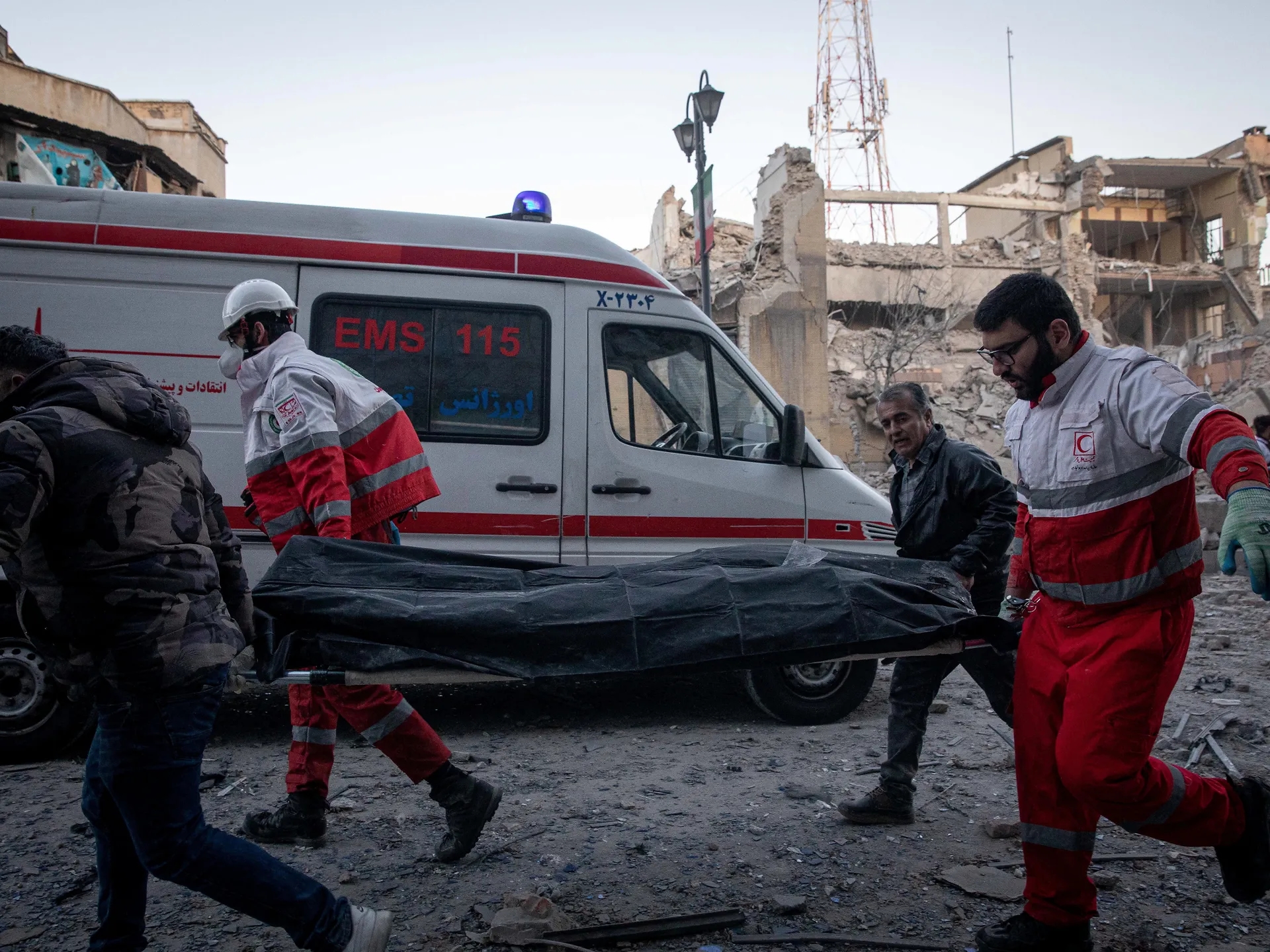
Recent days have witnessed a significant escalation in aerial bombardments across Iran, with a particular focus on critical civilian infrastructure in major urban centers, most notably Tehran. Reports emerging on March 5, 2026, indicate that these intensified strikes have directly targeted essential public services, including hospitals, schools, and cultural sites, leading to widespread disruption and a burgeoning humanitarian crisis. The deliberate targeting or incidental destruction of facilities vital for public health and education raises profound concerns about the protection of civilians and adherence to international humanitarian law, casting a long shadow over the daily lives and future prospects of millions.
The impact on Iran's healthcare system has been immediate and severe. Hospitals, already operating under considerable strain, have reported direct hits or significant damage to their premises. This has not only compromised the structural integrity of these vital institutions but has also severely hampered their ability to deliver life-saving medical care. Emergency rooms, which should be sanctuaries for the injured and ill, are now overwhelmed, struggling to cope with a surge in trauma cases resulting from the strikes, while simultaneously attempting to maintain services for existing patients with chronic conditions or urgent medical needs. Operating theaters have been rendered unusable, critical equipment destroyed, and essential medical supplies, already difficult to procure due to various geopolitical factors, are now even scarcer.
Beyond the immediate physical damage, the psychological toll on healthcare workers is immense. Doctors, nurses, and support staff are working under unimaginable pressure, facing constant threats to their own safety while striving to save lives amidst chaos. The disruption extends far beyond the walls of damaged hospitals; the entire healthcare supply chain is fractured. Access to essential medicines, vaccines, and specialized treatments is becoming increasingly precarious, threatening to exacerbate existing health crises and potentially leading to outbreaks of preventable diseases. Furthermore, the displacement of populations fleeing affected areas places an additional burden on healthcare facilities in safer regions, which are often ill-equipped to handle such an influx, leading to a broader public health emergency across the nation.
The education sector has similarly borne the brunt of these escalated hostilities. Schools, from primary institutions to higher education facilities, have been among the targeted sites, leading to their closure and, in many cases, significant structural damage or complete destruction. This widespread disruption has abruptly halted the learning process for countless children and young adults, robbing them of their fundamental right to education. The psychological impact on students is particularly alarming; many are experiencing trauma, fear, and anxiety, which can have long-lasting effects on their cognitive development and overall well-being. Teachers, too, are grappling with the dual challenges of personal safety and the profound responsibility of guiding their students through an unprecedented crisis, often with inadequate resources and support.
The long-term consequences for education are dire. A generation of students faces the prospect of interrupted schooling, potentially leading to significant learning gaps that could hinder their future opportunities and the nation's development. Rebuilding damaged schools and re-establishing a stable learning environment will require substantial resources and time, even if the conflict were to cease immediately. The loss of educational infrastructure also impacts communities deeply, as schools often serve as vital social hubs, providing not only academic instruction but also a sense of normalcy, community support, and protection for children. Their destruction fragments the social fabric and removes a critical anchor for families navigating instability.
Beyond the direct hits, the pervasive atmosphere of fear and insecurity generated by the ongoing strikes further undermines both health and education systems. Parents are hesitant to send their children to school, fearing for their safety, even in areas not directly hit. Similarly, individuals may delay seeking necessary medical attention due to concerns about travel safety or the functionality of healthcare facilities. This indirect impact creates a ripple effect, leading to a decline in school attendance, a rise in untreated medical conditions, and a general deterioration of public welfare. The constant threat of bombardment forces communities into a state of perpetual vigilance, diverting resources and attention away from long-term development and towards immediate survival.
International humanitarian law explicitly mandates the protection of civilian infrastructure, including hospitals and schools, during armed conflicts. These sites are afforded special protection precisely because of their critical role in sustaining life and ensuring the well-being and future of a population. The reported targeting or extensive damage to such facilities raises serious questions about adherence to these fundamental principles, which are designed to mitigate the devastating human cost of warfare. The international community has a responsibility to uphold these laws and ensure accountability for actions that undermine the very foundations of human dignity and survival.
The disruption to daily life in Tehran and other affected cities is profound. Residents are grappling with power outages, shortages of essential goods, and the constant psychological burden of living under threat. The economic repercussions are also significant, with businesses unable to operate, supply chains broken, and livelihoods destroyed. This creates a vicious cycle where the ability to recover and rebuild is continuously undermined by ongoing instability and destruction. Humanitarian organizations are facing immense challenges in delivering aid, as access to affected areas is often restricted or rendered unsafe, further exacerbating the suffering of those most in need.
In conclusion, the intensified aerial bombardments across Iran, particularly those impacting health and education infrastructure, represent a critical humanitarian crisis with far-reaching consequences. The damage to hospitals and schools not only inflicts immediate suffering and loss of life but also jeopardizes the long-term health, development, and stability of the nation. Nivaran Foundation calls upon all parties to the conflict to uphold international humanitarian law, protect civilian lives and infrastructure, and ensure unimpeded access for humanitarian aid. The global community must recognize the severe and lasting impact of these actions on the most vulnerable populations and advocate for an immediate de-escalation of hostilities to prevent further devastation to essential public services and the human spirit they embody. The future of millions depends on a renewed commitment to peace and the protection of fundamental human rights, especially the rights to health and education, even amidst conflict.
Support Nivaran Foundation's global efforts to protect vulnerable communities and ensure access to essential services in conflict zones.
Support this work