The Democratic Pulse in Chitwan: A Vote for Nepal's Future
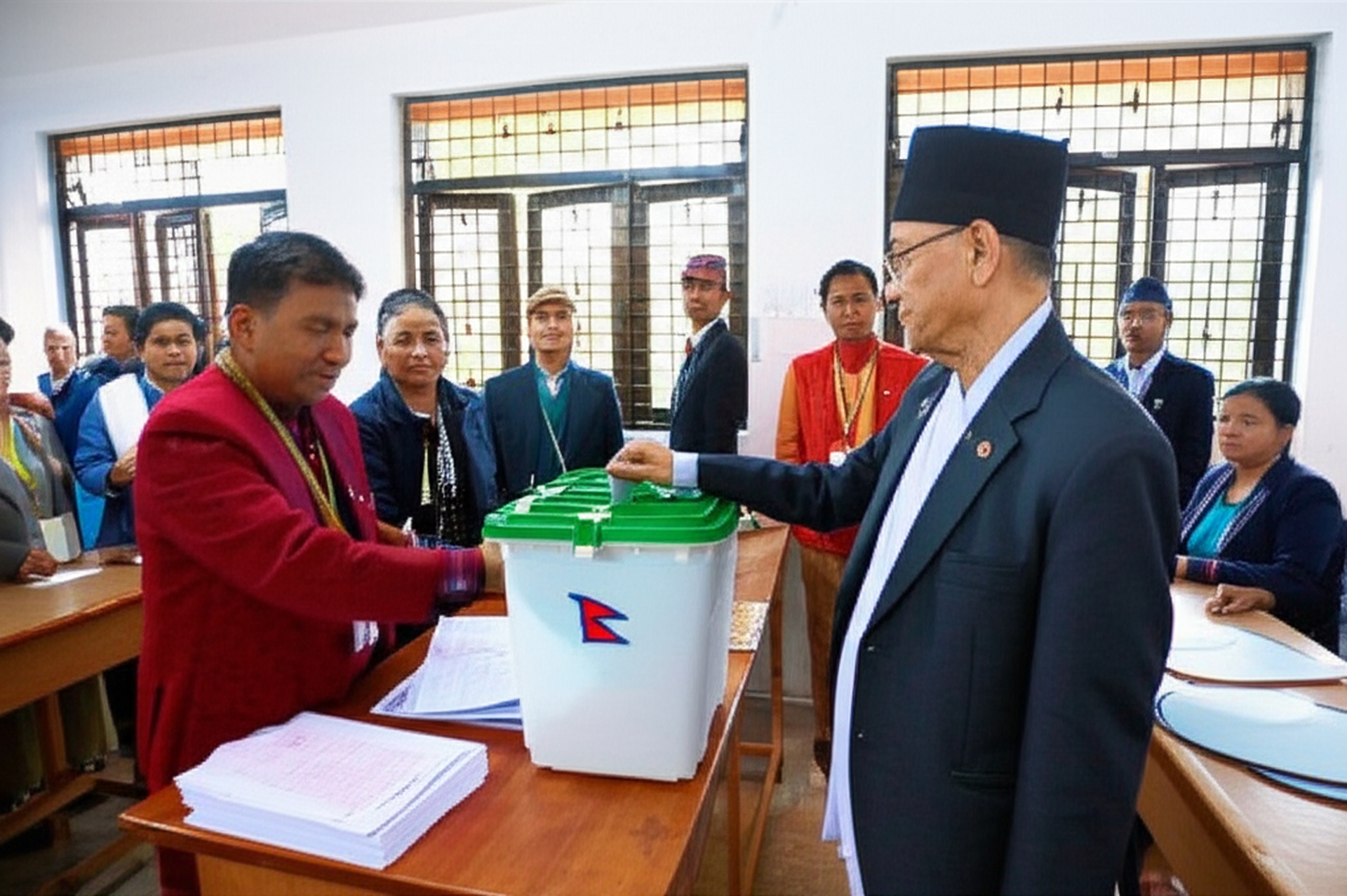
In the heart of Nepal's vibrant Chitwan district, the act of casting a ballot transcends a mere civic duty; it embodies the collective aspirations of a nation striving for progress. The recent electoral exercise saw prominent political figures, including Coordinator Dahal, participate in the democratic process at the Nepal Police School Polling Centre. While the immediate focus of such an event is often on political outcomes and leadership, its deeper significance lies in the mandate it confers upon elected representatives to address the fundamental needs of the populace – paramount among which are robust health and education systems. For the citizens of Chitwan and indeed, all of Nepal, this vote is a powerful symbol of their demand for a future underpinned by improved well-being and enlightened minds.
The electoral cycle in Nepal has consistently served as a critical juncture for public discourse on social development. Each election brings with it a renewed hope that the chosen leaders will champion policies that directly impact the quality of life for ordinary Nepalis. This is particularly true for sectors like health and education, which form the bedrock of any thriving society. The act of voting, therefore, is not just about selecting a government; it is about entrusting a vision for a healthier, more educated, and ultimately, more prosperous Nepal. The participation witnessed in Chitwan reflects a deep-seated belief in the power of democracy to effect tangible change, pushing for an agenda that prioritizes human capital development.
Advancing Public Health: A National Imperative Post-Election
Nepal's journey towards universal healthcare has been marked by significant strides, yet formidable challenges persist. While urban centers like Chitwan boast relatively better medical facilities, including specialized hospitals, the disparity in access and quality of care between urban and remote rural areas remains stark. The recent elections, therefore, placed a renewed emphasis on political parties' commitments to strengthen the public health infrastructure across the nation. Voters are increasingly discerning, looking beyond rhetoric to concrete plans for expanding primary healthcare services, ensuring the availability of essential medicines, and deploying skilled health personnel to underserved communities.
The district of Chitwan, despite its strategic location and growing urbanization, is not immune to these challenges. Many of its peripheral communities still struggle with limited access to basic health check-ups, maternal and child health services, and emergency medical care. The electoral mandate is thus a call to action for leaders to invest in upgrading local health posts, establishing well-equipped birthing centers, and implementing robust public health awareness campaigns. Furthermore, addressing the critical shortage of doctors, nurses, and paramedics, particularly in rural settings, requires sustained political will and strategic allocation of resources. The stability brought by a newly elected government is crucial for the long-term planning and execution of comprehensive health strategies that can withstand political fluctuations and deliver consistent care to all citizens.
Preventative healthcare and public health education are equally vital components that demand political attention. Beyond treating illnesses, a proactive approach to health involves educating communities on hygiene, nutrition, disease prevention, and family planning. These initiatives, often spearheaded by local government bodies with support from the federal structure, require adequate funding and consistent oversight. The outcomes of elections directly influence the budgetary allocations for such programs, making the democratic process a powerful lever for public health advocacy. The people of Nepal, through their votes, are unequivocally signaling their expectation for a healthcare system that is not only accessible but also effective and equitable.
Transforming Education: Building Nepal's Future Through Policy
Parallel to the aspirations for better health, the demand for quality education resonates deeply across Nepal. Education is widely recognized as the most potent tool for socio-economic upliftment, breaking cycles of poverty, and fostering national development. While Nepal has made commendable progress in increasing school enrollment rates, particularly at the primary level, the focus has now shifted towards enhancing the quality of education and ensuring equitable access to learning opportunities for all children, irrespective of their geographical location or socio-economic background.
Chitwan, with its diverse educational landscape ranging from well-established universities and private institutions to community schools in remote villages, embodies the national paradox. While some students have access to modern learning facilities and highly qualified teachers, others contend with dilapidated infrastructure, a scarcity of teaching materials, and a lack of trained educators. The recent elections have brought to the forefront the urgent need for comprehensive educational reforms. Voters are keenly interested in policies that promise to improve teacher training and retention, update curricula to meet contemporary demands, integrate technology into classrooms, and provide vocational training pathways that equip youth with market-relevant skills.
The role of political leadership in shaping the future of education cannot be overstated. Government policies dictate funding for public schools, the development of educational infrastructure, the implementation of national curricula, and the provision of scholarships for disadvantaged students. A stable political environment is essential for the consistent execution of long-term educational strategies, free from frequent policy shifts that can disrupt learning. The electoral mandate provides an opportunity for leaders to commit to substantial investments in early childhood education, promote digital literacy, and bridge the urban-rural divide in educational outcomes. The future workforce and the intellectual capital of Nepal depend heavily on the decisions made by elected representatives today.
The Mandate for Accountable Governance in Social Services
The act of voting in Chitwan, as elsewhere in Nepal, is fundamentally an exercise in demanding accountable governance. Citizens are not merely electing individuals; they are electing a system of governance that they expect to be transparent, responsive, and effective in delivering public services. For health and education, this means ensuring that budgetary allocations are utilized efficiently, projects are completed on time, and services reach the intended beneficiaries without corruption or undue delay. The federal structure of Nepal, empowering local government bodies, places a significant responsibility on elected local representatives to implement national policies effectively at the grassroots level.
This decentralization of power means that the promises made during election campaigns must translate into tangible actions at the municipal and ward levels. Local leaders are now directly accountable for the condition of health posts, the quality of local schools, and the implementation of community-level health and education programs. The recent elections serve as a powerful reminder that continuous civic engagement and oversight are crucial to ensure that electoral promises are honored. Collaboration between government bodies, civil society organizations like Nivaran Foundation, and local communities is vital for identifying needs, implementing solutions, and monitoring progress in these critical sectors.
Chitwan's Vision: A Model for Integrated Development
Chitwan district, with its strategic location, diverse population, and significant economic activity, holds immense potential to serve as a model for integrated health and education development in Nepal. Its growing urban centers and agricultural hinterlands present a microcosm of the nation's challenges and opportunities. The aspirations of its residents, clearly articulated through their enthusiastic participation in the electoral process, reflect a collective desire for a future where quality healthcare and education are not privileges but fundamental rights.
Successful initiatives in Chitwan, whether in establishing community health clinics, upgrading school facilities, or implementing vocational training programs, could provide invaluable blueprints for other districts across Nepal. The political will demonstrated by elected leaders, coupled with active community participation and the support of non-governmental organizations, can transform Chitwan into a beacon of social progress. The electoral outcome is thus more than just a change in political guard; it is a renewed opportunity to chart a course towards sustainable development in the most vital sectors of human well-being.
Beyond the Ballot Box: Sustaining the Momentum for Change
The casting of a vote by Coordinator Dahal and countless other citizens in Chitwan marks the beginning of a new chapter, not its conclusion. The democratic process is continuous, requiring sustained engagement beyond election day. For Nepal to truly realize its potential in health and education, there must be an unwavering commitment from its leaders to translate electoral promises into concrete policies, adequate funding, and effective implementation. The public, in turn, must remain vigilant, holding their representatives accountable and actively participating in community-level initiatives.
The journey towards a healthier and more educated Nepal is a collective endeavor, driven by informed political choices, dedicated leadership, and the resilient spirit of its people. The recent elections serve as a powerful reminder that the future of the nation's social sectors rests squarely on the shoulders of its elected officials, guided by the aspirations of its citizens. As the dust settles from the electoral fervor, the real work of building a brighter future for Nepal, one school and one health clinic at a time, truly begins.
Support Nivaran Foundation's efforts to advocate for equitable health and education access across Nepal.
Support this work