
Nivaran Logo
News

Colon Cancer Surges Among Under-50s Globally, Prompting Urgent Health Warnings

A new analysis highlights a disturbing worldwide trend, urging younger individuals and medical professionals to recognize critical symptoms early.

Colon Cancer Surges Among Under-50s Globally, Prompting Urgent Health Warnings

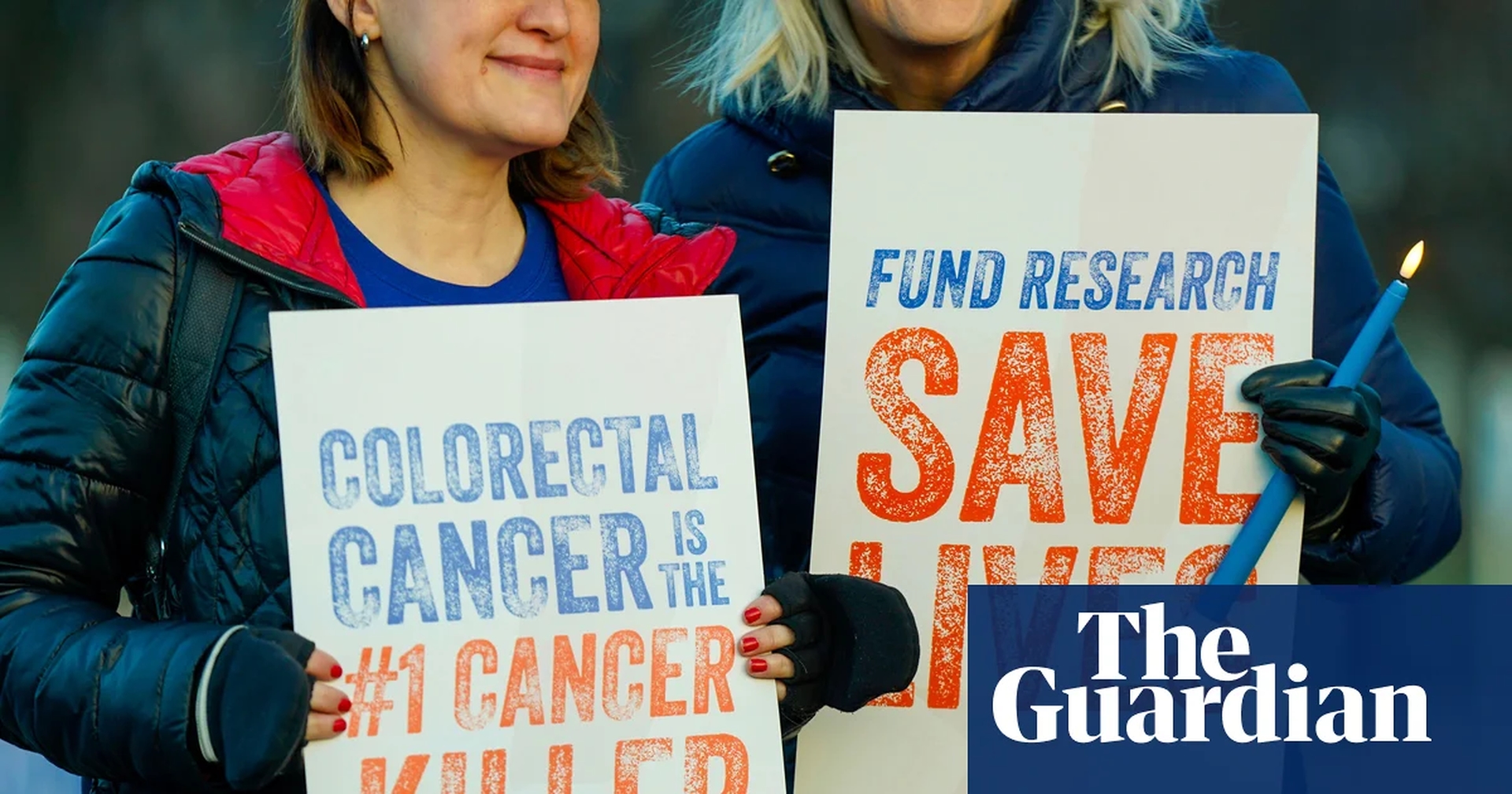
The landscape of cancer incidence and mortality is undergoing a concerning transformation, with colorectal cancer emerging as the leading cause of cancer-related deaths among individuals under the age of 50 in the United States. This alarming statistic, recently highlighted by an analysis from the American Cancer Society, is not an isolated phenomenon but rather a stark indicator of a broader global trend that demands immediate attention from public health bodies, medical professionals, and individuals worldwide. Experts are increasingly vocal in their warnings, urging younger populations to take persistent symptoms seriously and healthcare providers to re-evaluate diagnostic approaches for this demographic.

Historically considered a disease primarily affecting older adults, the rising incidence of early-onset colorectal cancer across various nations represents a significant public health challenge. While the precise reasons for this global shift remain under intensive investigation, researchers point to a complex interplay of factors, including evolving dietary patterns, sedentary lifestyles, increasing rates of obesity, environmental exposures, and potentially genetic predispositions. The rapid pace at which this demographic shift is occurring suggests that modern lifestyle factors play a substantial role, altering the gut microbiome and inflammatory pathways in ways that may accelerate cancer development in younger individuals. This global surge underscores the urgency for comprehensive research to pinpoint the underlying mechanisms and develop targeted prevention strategies that can be implemented across diverse populations.

A critical aspect of this unfolding crisis is the often-delayed diagnosis among younger patients. Symptoms commonly associated with colorectal cancer, such as rectal bleeding, persistent changes in bowel habits, unexplained abdominal pain, fatigue, and unintentional weight loss, are frequently dismissed by younger individuals as minor ailments. They might attribute these signs to stress, hemorrhoids, irritable bowel syndrome (IBS), or dietary issues, delaying seeking medical advice. Compounding this issue, healthcare providers may also initially overlook the possibility of colorectal cancer in younger patients, given its traditional association with older age groups. This diagnostic blind spot can lead to significant delays, with many young patients receiving a diagnosis only when the cancer has advanced to later, more difficult-to-treat stages. The story of individuals like Becca Lynch, diagnosed with advanced colon cancer at 29 after initially attributing her symptoms to stress, resonates with countless others globally who have faced similar diagnostic journeys. Her experience serves as a poignant reminder of the critical need for both patient vigilance and physician awareness.

The challenges in diagnosing early-onset colorectal cancer extend beyond initial symptom dismissal. Standard screening guidelines, which typically recommend colonoscopies starting at age 45 or 50 in many countries, often leave younger adults outside the scope of routine preventive care. This means that by the time symptoms become severe enough to warrant investigation, the disease may have progressed considerably. Furthermore, the diagnostic process itself can be fraught with hurdles. Young patients might undergo multiple tests for less serious conditions before a definitive diagnosis of cancer is reached. This prolonged period of uncertainty and misdiagnosis not only delays crucial treatment but also inflicts immense psychological and emotional distress on patients and their families. The lack of awareness among the general public about the possibility of early-onset colorectal cancer further exacerbates the problem, as many do not consider themselves at risk until symptoms become undeniable.

The impact of an early-onset colorectal cancer diagnosis on younger individuals is profound and multifaceted. Unlike older patients who may have completed their family and career trajectories, younger patients often face unique challenges related to fertility preservation, managing young children, navigating demanding careers, and confronting the financial burdens of treatment at a critical stage of their lives. The psychological toll can be particularly heavy, as they grapple with a life-threatening illness while their peers are focused on different life milestones. Support systems tailored to the specific needs of younger cancer patients are often less developed, leaving many feeling isolated and misunderstood. Addressing these unique challenges requires a holistic approach that integrates medical treatment with psychological support, financial counseling, and resources for family planning.

In light of this growing crisis, a concerted call to action is imperative for both individuals and healthcare systems. Younger people must be empowered with knowledge and encouraged to become proactive advocates for their own health. Any persistent or concerning symptoms, particularly those related to bowel function or unexplained fatigue and weight loss, should prompt an immediate consultation with a healthcare professional. It is crucial for individuals to articulate their concerns clearly and, if necessary, insist on thorough investigations, including appropriate diagnostic tests, even if initial assessments suggest less serious conditions. Breaking the stigma around discussing bowel health is also vital, fostering an environment where individuals feel comfortable seeking help without embarrassment.

For healthcare systems and medical professionals, a paradigm shift is urgently needed. There must be increased awareness and education regarding the rising incidence of early-onset colorectal cancer. Physicians, especially primary care providers and emergency room staff, should maintain a higher index of suspicion for colorectal cancer in younger patients presenting with relevant symptoms. This may necessitate a re-evaluation of diagnostic algorithms and a willingness to consider colonoscopy earlier for symptomatic younger adults, even if they do not meet traditional age-based screening criteria. Public health campaigns should be launched globally to educate both the public and medical community about the changing epidemiology of this disease, emphasizing the importance of symptom recognition regardless of age.

Beyond early detection, preventive measures remain a cornerstone of cancer control. While early-onset cases can occur in individuals with no apparent risk factors, promoting healthy lifestyle choices globally can contribute to reducing overall cancer risk. This includes advocating for balanced diets rich in fruits, vegetables, and whole grains, regular physical activity, maintaining a healthy body weight, limiting alcohol consumption, and avoiding tobacco products. These general health recommendations, while not a guaranteed shield against all cancers, are fundamental for overall well-being and may mitigate some of the environmental and lifestyle factors implicated in the rise of early-onset colorectal cancer. Public health initiatives must focus on creating environments that support these healthy choices, making them accessible and affordable for all segments of society.

The global nature of this challenge cannot be overstated. While the American Cancer Society's analysis focuses on the US, similar trends of increasing early-onset colorectal cancer have been observed in numerous countries across Europe, Asia, and other parts of the world. This indicates a widespread phenomenon that transcends geographical boundaries and healthcare systems. International collaboration in research, data sharing, and the development of best practices for early detection and treatment will be crucial in effectively addressing this global health threat. Understanding regional variations in incidence and risk factors will enable more tailored and effective interventions.

Ongoing research holds the key to unlocking deeper insights into the etiology of early-onset colorectal cancer. Scientists are investigating genetic predispositions, the role of the gut microbiome, specific dietary components, and environmental toxins that might contribute to the disease in younger populations. Advances in molecular diagnostics and personalized medicine also offer hope for more precise risk stratification and targeted therapies. Investing in these research avenues is paramount to developing more effective screening tools, preventative strategies, and treatments that can save lives and improve outcomes for young patients worldwide.

In conclusion, the alarming rise of colorectal cancer as a leading cause of cancer death among individuals under 50 represents a critical global health crisis. It demands a collective and urgent response from individuals, healthcare providers, and public health organizations. Vigilance regarding symptoms, proactive health seeking, enhanced physician awareness, and a re-evaluation of screening protocols are essential steps. By fostering a culture of health literacy and advocating for comprehensive, age-inclusive cancer strategies, the global community can work towards reversing this disturbing trend and protecting the health of future generations. The time for action is now, to ensure that no young life is needlessly lost to a preventable or treatable disease due to delayed diagnosis or lack of awareness.

If this moved you, share it
FacebookLinkedInXWhatsApp

Support Nivaran Foundation's global health initiatives to raise awareness and improve early detection for critical conditions like colorectal cancer.

Support this work

Nivaran logo
Nivaran Foundation Global Desk

Reporting from the Nivaran Foundation's global desk, dedicated to bringing critical health and education insights to communities worldwide.

InstagramFacebookLinkedInX
More from the field
News
Global Health and Education Watch: ‘I’ve been living under a shadow for 13 years’
News
UK Regulator Faces Legal Challenge Over Public Funding for Theological Colleges
News
Global Concerns Rise Over State Guardianship for Vulnerable Populations