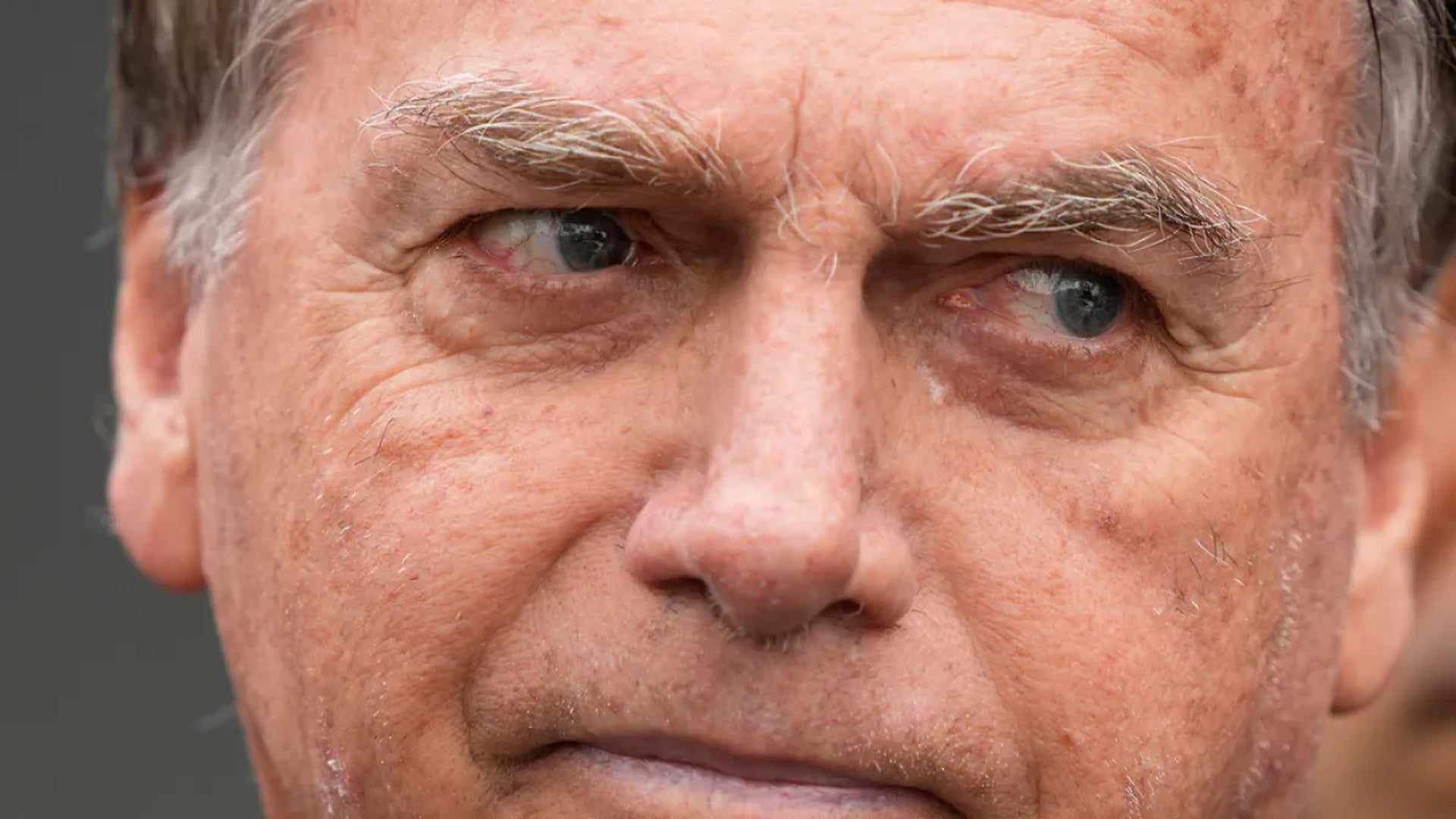
The global political landscape often grapples with the health of its leaders, a reality underscored by the recent hospitalization of Brazil's former President, Jair Bolsonaro. Admitted for a lung infection, this latest medical event casts a renewed spotlight on the persistent health challenges that have plagued the far-right leader since a near-fatal stabbing incident in 2018. His current condition not only impacts his personal well-being but also resonates through Brazil's intricate political fabric, prompting broader discussions on the intersection of health, governance, and national stability.
Bolsonaro's journey with his health has been a public saga since the campaign trail of 2018. During a rally in Juiz de Fora, Minas Gerais, he was stabbed in the abdomen, an attack that required multiple surgeries and a prolonged recovery period. This initial trauma was not merely a singular event but the genesis of a series of recurring health complications, including intestinal obstructions, adhesions, and other post-operative issues that have necessitated several hospital stays over the years. The human body, even after seemingly successful surgical interventions, can carry the long-term scars and vulnerabilities from such severe physical trauma. A weakened immune system, compromised organ function, or chronic inflammation can render an individual more susceptible to secondary infections like the lung infection Bolsonaro is now battling. This ongoing medical narrative highlights the profound and lasting impact that acts of violence can have, extending far beyond the immediate injury to shape an individual's health trajectory for years, even decades. For a figure of Bolsonaro's stature, these personal health battles inevitably become matters of public concern, intertwining with the political discourse.
The health of a nation's leader, whether current or former, is rarely a purely private affair. It often becomes a barometer for political stability, influencing public confidence, market reactions, and the overall perception of governance. In Brazil, a nation with a vibrant but often volatile political scene, Bolsonaro's health status carries particular weight. As a prominent figure of the far-right, his influence continues to be significant, even from his current position. His endorsement of his son for an upcoming election, for instance, demonstrates his continued relevance in shaping political outcomes. A leader's health, therefore, is not just about their physical state; it's about their capacity to lead, to inspire, or to influence, and how that capacity is perceived by both supporters and detractors. When a leader faces a health crisis, it can trigger speculation about succession, policy continuity, and the resilience of democratic institutions, making it a matter of national and sometimes international interest.
From a global health perspective, the case of Jair Bolsonaro also serves as a poignant reminder of the universal vulnerabilities that transcend political power or social status. While leaders often have access to the best medical care, they are not immune to complex health challenges. This situation underscores the critical importance of robust healthcare systems that can cater to a wide spectrum of needs, from emergency trauma care to long-term chronic disease management. The persistent nature of Bolsonaro's health issues, stemming from a violent attack, also highlights the broader societal burden of violence and its far-reaching consequences on public health. Beyond the immediate victims, violence can strain healthcare resources, create psychological trauma in communities, and disrupt social cohesion. Addressing violence, therefore, is not just a matter of law enforcement but also a vital component of public health strategy, aiming to prevent both immediate injury and long-term health complications.
The global community often observes with keen interest the health of political figures, not merely out of curiosity but due to the potential ramifications for international relations, economic stability, and geopolitical alliances. Historically, the health of world leaders has been shrouded in secrecy, but in an increasingly transparent world, such information often becomes public, influencing narratives and perceptions. Bolsonaro's situation, therefore, is not unique in its capacity to draw global attention. It joins a long list of instances where the medical conditions of prominent political personalities have become subjects of intense scrutiny, from Winston Churchill's strokes to François Mitterrand's prostate cancer, or more recently, the various health concerns of other heads of state. These events invariably spark discussions about the demands of high office on physical and mental well-being, the ethical considerations of public disclosure, and the preparedness of nations for leadership transitions during health crises.
Furthermore, the specific nature of Bolsonaro's current ailment—a lung infection—while common, takes on added significance given his medical history. Infections can be particularly dangerous for individuals whose systems are already compromised by previous surgeries or chronic conditions. This emphasizes the need for comprehensive post-operative care and vigilant monitoring for complications. It also subtly draws attention to the broader challenges of respiratory illnesses, which remain a significant global health concern, exacerbated by environmental factors, lifestyle choices, and the prevalence of infectious agents. While Bolsonaro's case is highly individualized, it indirectly contributes to the global discourse on infectious disease management and the importance of preventative health measures, even for those with access to advanced medical facilities.
The ongoing political context in Brazil adds another layer of complexity to Bolsonaro's health narrative. His detention and the legal challenges he faces mean that his health status has direct implications for judicial proceedings and his ability to participate in political life, even indirectly. This scenario is not uncommon globally, where the health of incarcerated political figures often becomes a point of contention, raising questions about humanitarian treatment, access to adequate medical care within correctional systems, and the potential for political manipulation of health issues. It underscores the ethical imperative for all individuals, regardless of their legal status, to receive appropriate and timely medical attention, a principle that Nivaran Foundation consistently advocates for in its global health initiatives.
In conclusion, Jair Bolsonaro's hospitalization for a lung infection is more than just a personal health crisis; it is a multifaceted event that intertwines personal history, national politics, and global health considerations. It serves as a powerful illustration of how a single act of violence can trigger a cascade of health issues with long-term consequences, impacting an individual's life and, by extension, the political landscape of a nation. As Brazil navigates its political future, the health of its influential figures will undoubtedly remain a critical factor, reminding us all of the profound and often unpredictable ways in which human health shapes the course of societies and governance worldwide. The ongoing scrutiny of such events highlights the interconnectedness of health, security, and political stability, urging a holistic approach to understanding and addressing global challenges.
Support Nivaran Foundation's global health initiatives by contributing to our efforts in addressing complex health challenges worldwide.
Support this work