The global landscape is currently defined by a complex interplay of escalating geopolitical tensions, economic volatility, and profound societal shifts. Amidst this turbulence, the realms of health and technology are witnessing transformative developments, offering both unprecedented challenges and innovative solutions to human well-being. From empowering patients in critical care decisions to leveraging artificial intelligence in addressing deeply sensitive issues like ritual abuse and mental health therapy, the world navigates a new era where local conflicts ripple globally, and technological advancements reshape the very fabric of care.
One significant stride in patient empowerment and safety has been the implementation of initiatives such as Martha’s Rule in healthcare systems. This groundbreaking protocol, recently introduced in regions like Great Britain, grants patients and their families the right to request an urgent review of their care if they feel their condition is deteriorating or their concerns are not being adequately addressed by medical staff. The impact of such a rule has been profound, with initial reports indicating that hundreds of lives may have been saved. Over ten thousand calls to dedicated helplines have led to critical interventions, ranging from transfers to intensive care units and the administration of necessary medications to other vital adjustments in treatment plans. This mechanism represents a fundamental shift towards a more patient-centric healthcare model, where the voices of those receiving care, and their advocates, are given immediate and serious consideration in potentially life-threatening situations. It underscores the growing recognition that patient and family insights are invaluable components of effective medical oversight and can serve as crucial early warning systems for declining health. The success of Martha’s Rule offers a compelling blueprint for other healthcare systems worldwide, advocating for greater transparency, accountability, and shared decision-making in clinical environments. It champions the idea that empowering individuals with the right to challenge medical decisions, or seek a second opinion within the same institution, can significantly enhance safety and improve outcomes, fostering a culture of vigilance and responsiveness among healthcare providers globally.
Simultaneously, the rapid evolution of artificial intelligence, particularly large language models like ChatGPT, is introducing a complex dynamic into global health, especially in the sensitive areas of mental health and the reporting of abuse. On one hand, AI is emerging as an unexpected tool for uncovering historically under-reported forms of harm, such as organized ritual abuse, witchcraft, spirit possession, and spiritual abuse against children. These categories of abuse have long been shrouded in secrecy, skepticism, and a lack of formal reporting mechanisms, making them incredibly difficult for authorities and support services to address. The non-judgmental, anonymous, and accessible nature of AI interfaces provides a unique safe space for survivors to articulate their experiences, often for the first time. The AI’s capacity to process vast amounts of information and identify patterns in narratives can help bring to light the complexities and prevalence of these abuses, which human interviewers might inadvertently overlook or find challenging to navigate due to their traumatic nature. This novel application of AI offers a glimmer of hope for victims whose voices have been historically silenced, potentially leading to better understanding, intervention, and support systems for these vulnerable populations globally.
However, the integration of AI into such sensitive domains is not without its significant ethical and practical challenges. While AI can facilitate the initial disclosure of abuse, the verification of these reports, the protection of victims, and the subsequent legal and therapeutic processes still heavily rely on human expertise and established protocols. The potential for misinformation, misinterpretation, or even the weaponization of AI in these contexts requires careful consideration and robust safeguards. The digital nature of these interactions also raises concerns about data privacy, security, and the potential for re-traumatization if not handled with extreme care. Therefore, while AI offers a powerful new avenue for uncovering hidden abuses, its deployment necessitates a cautious, multi-disciplinary approach that prioritizes victim safety, ethical guidelines, and the integration of human oversight.
Beyond its role in unmasking abuse, AI is also being embraced by survivors as a therapeutic tool. For individuals grappling with profound trauma, the prospect of engaging with a human therapist can be daunting, hindered by stigma, accessibility issues, or the sheer emotional burden of recounting painful memories. AI-powered platforms offer an accessible, private, and often immediate outlet for processing thoughts and emotions. Survivors are reportedly using tools like ChatGPT to articulate their experiences, explore coping mechanisms, and even engage in forms of cognitive restructuring in a self-directed manner. This democratizes access to a form of mental health support, particularly in regions where professional psychological services are scarce or culturally stigmatized. While AI cannot replicate the empathy, nuanced understanding, or clinical judgment of a trained human therapist, it can serve as a valuable supplementary resource, helping individuals take initial steps towards healing, organize their thoughts, and build a foundation for subsequent human-led therapy. The global implications for mental health accessibility, especially for those in underserved communities or those dealing with highly sensitive trauma, are immense, pointing towards a future where AI and human expertise collaborate to provide more comprehensive care.
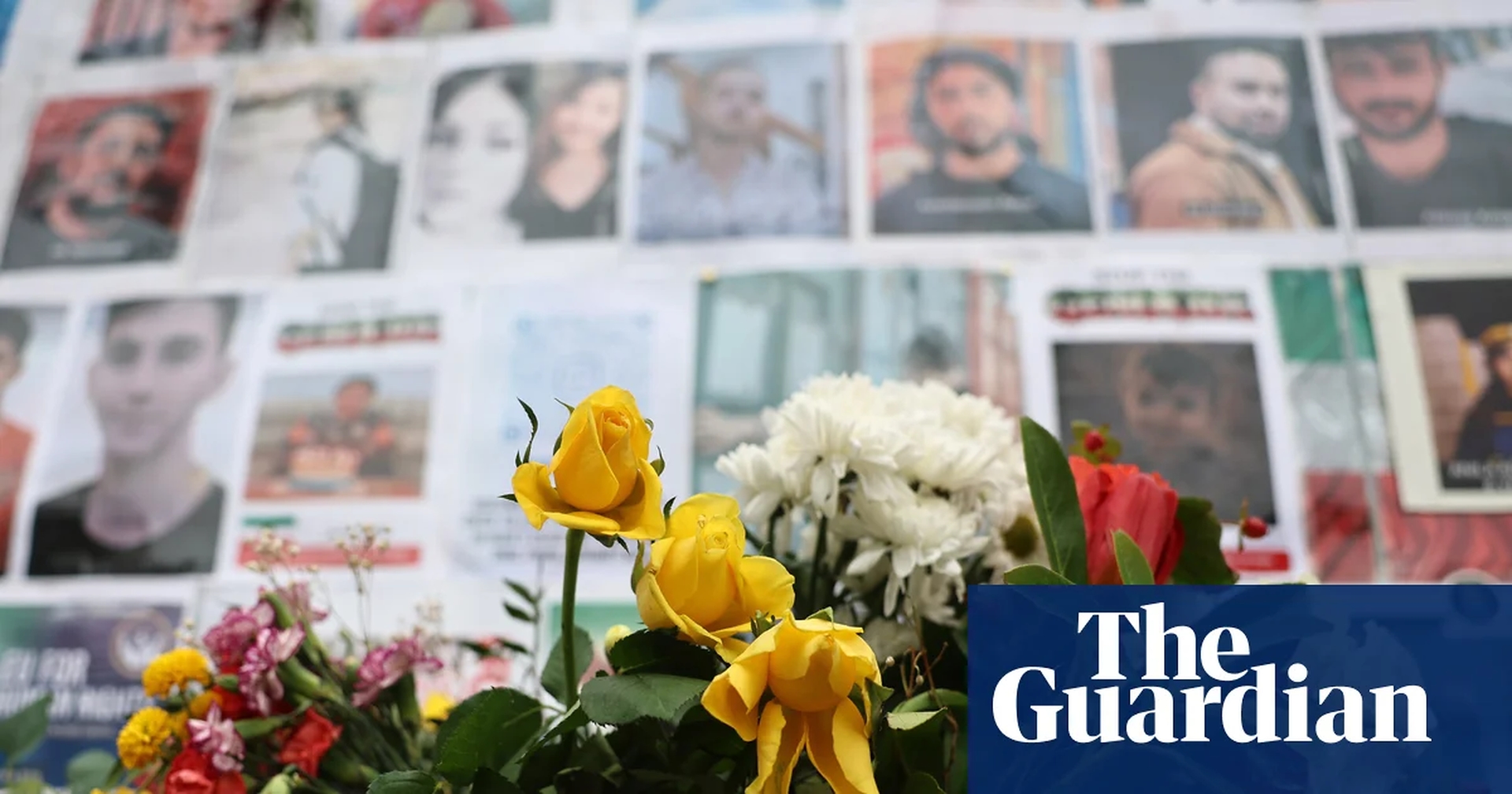
These advancements in health and technology unfold against a backdrop of significant global instability, exemplified by escalating conflicts in the Middle East. The ongoing Iran war, for instance, has not only broadened its geographical scope and intensified humanitarian concerns but has also cast a long shadow over the mental well-being of diaspora communities worldwide. Iranians living abroad grapple with a complex and often debilitating mix of fear for their loved ones, profound grief over the loss of life and cultural heritage, and deep political ambivalence regarding the conflict’s origins and potential resolutions. This psychological toll is exacerbated by feelings of helplessness and uncertainty, as individuals far from the conflict zone are nonetheless deeply connected to its unfolding tragedy. The constant barrage of news, coupled with the inability to directly influence events, can lead to chronic stress, anxiety, depression, and a sense of collective trauma. The need for robust, culturally sensitive mental health support within these diaspora communities is more critical than ever, highlighting how geopolitical events, even when geographically distant, have a direct and profound impact on global health and societal stability. The diversion of global resources, the surge in energy prices, and the broader economic anxieties stemming from such conflicts further strain national budgets, potentially impacting the funding and accessibility of the very health and educational services that are becoming increasingly vital.
In conclusion, the current global moment is characterized by a dynamic interplay between human innovation and profound challenges. While conflicts and economic uncertainties continue to test the resilience of communities worldwide, breakthroughs in patient safety, such as Martha’s Rule, and the evolving role of artificial intelligence in mental health and abuse reporting, offer pathways to enhanced well-being. These developments underscore the urgent need for integrated, holistic approaches to global health that not only address immediate crises but also empower individuals, leverage technology responsibly, and provide comprehensive support for the psychological and physical impacts of a turbulent world. The journey towards a healthier, more resilient global society requires continuous adaptation, ethical foresight, and an unwavering commitment to human dignity and care.
Your support empowers Nivaran Foundation to champion innovative health solutions and educational initiatives worldwide, particularly for vulnerable communities affected by global crises.
Support this work