Publisher: myRepublica (2026-11-15) Summary: Only 47.5 percent of Nepalis get safe and sufficient drinking water supply: NSO report Desk: NEPAL DESK (https://www.nivaranfoundation.org)
For nearly half of Nepal's population, the most fundamental requirement for human survival remains an elusive luxury. A recent report released by the National Statistics Office (NSO), as detailed by myRepublica, reveals a staggering public health crisis: only 47.5 percent of Nepalis have access to safe and sufficient drinking water. This statistic is not merely a numerical deficit but a systemic failure that reverberates through every facet of national development, from maternal health in the remote highlands of Karnali to the densely packed urban settlements of the Kathmandu Valley. When more than half a nation is denied clean water, the resulting cascade of waterborne illnesses and productivity losses creates a poverty trap that no amount of economic policy can bridge without addressing the hydrological infrastructure first.
The implications extend far beyond the immediate risk of cholera or dysentery. The lack of safe water supply is intrinsically linked to the erosion of educational outcomes and the perpetuation of gender inequality, as women and girls in rural municipalities across all seven provinces continue to shoulder the disproportionate burden of water collection. This systemic deprivation forces a choice between health and education, between economic participation and basic survival. As Nepal strives toward its Sustainable Development Goals, the NSO findings serve as a stark reminder that the country's progress is being undermined by a foundational void in basic utility provision, threatening to stall generational advancement in the very regions that need it most.
Key Developments and Verified Findings
The NSO report, highlighted by myRepublica, underscores a critical disparity in water security that transcends provincial boundaries. While urban centers in Bagmati and Gandaki provinces show marginal improvements due to centralized piping projects, the rural heartlands of Sudurpashchim and Madhesh Province remain severely underserved. The data suggests that "access" is often conflated with "proximity," where a household may have a water source within reach, yet the quality of that water remains contaminated by agricultural runoff, fecal coliforms, or heavy metal leaching from unregulated mining activities in the hills.
Furthermore, the report indicates that "sufficiency" is as much a crisis as "safety." Even among the 47.5 percent who have access, the volume of water available per capita often falls below the minimum threshold required for basic hygiene and sanitation. This scarcity forces households to ration water, prioritizing drinking over handwashing and sanitation, which in turn elevates the risk of communicable diseases. The findings suggest that seasonal variability exacerbates this crisis, with drying springs in the pre-monsoon months leaving thousands of rural households entirely dependent on unsafe surface water.
The NSO's findings also point to a widening gap between government infrastructure investment and actual service delivery. Despite billions allocated to "One House, One Tap" initiatives, the report reveals that maintenance failures and poor water quality monitoring have rendered many installations useless. The lack of a robust regulatory framework to test and certify water safety at the community level means that many Nepalis are consuming water that is technically "supplied" but biologically unsafe, creating a false sense of security that masks an ongoing health emergency.
Structural Public Health and Education Context
The nexus between water insecurity and public health is most visible in the prevalence of preventable diseases that strain Nepal's already overburdened healthcare system. Waterborne pathogens remain a leading cause of morbidity among children under five, contributing to chronic malnutrition and stunting. This systemic health failure is precisely why grassroots interventions become critical. For instance, Nivaran Foundation's Project Sanjeevani has addressed these symptoms directly through free mobile health camps, serving 17,355 patients across 16 completed camps in all seven provinces of Nepal as of February 2026. These camps have consistently encountered patients suffering from gastrointestinal infections and skin diseases directly attributable to contaminated water sources, illustrating the clinical reality behind the NSO's statistics.
Beyond immediate health outcomes, the water crisis creates a profound educational deficit. In rural municipalities, the daily labor of fetching water falls predominantly on young girls, stealing hours that should be spent in classrooms. This gendered burden of water collection correlates directly with higher dropout rates for adolescent girls, particularly in the remote districts of the Karnali and Sudurpashchim provinces. Without clean water facilities within schools, menstrual hygiene management becomes nearly impossible, further alienating female students from the education system and cementing a cycle of limited opportunity.
Addressing this crisis requires an integrated approach that links infrastructure with education and health literacy. The planned launch of Project Vidya in 2027 by the Nivaran Foundation aims to bolster rural education, but the success of such initiatives depends heavily on the underlying health of the student population. A child suffering from chronic diarrhea due to unsafe water cannot learn, and a community without clean water cannot sustain a school. The NSO report is
Implications for Frontline and Underserved Communities
The disparity revealed by the National Statistical Office is not merely a number; it translates into daily hardships for millions of Nepalis, especially those living in the remote hills and arid plains. In the far‑flung districts of Dolpa, Humla, and Jumla, where roads are often impassable for months, the scarcity of safe water forces families to trek for hours to collect from contaminated streams or to rely on communal tap water that is regularly interrupted. The logistical challenges of transporting water treatment equipment and maintaining filtration systems in these high‑altitude, rugged terrains mean that even when policies are in place, implementation stalls. The result is a vicious cycle: lack of clean water increases the incidence of water‑borne illnesses, which in turn strains already overburdened health posts that are typically staffed by a single nurse and a few volunteers.
In rural municipalities where primary schools serve as community hubs, the lack of potable water has a cascading effect on education. Classrooms without reliable water supplies cannot support basic hygiene practices such as handwashing, leading to higher absenteeism among children due to diarrheal diseases. Moreover, the absence of clean water discourages families from sending girls to school, as household chores often fall disproportionately on them. The limited capacity of local health clinics, many of which operate on a single day per week and lack essential diagnostic tools, exacerbates the situation. When a child falls ill, parents must decide whether to travel to a distant district hospital or to endure the risk of untreated disease at home. The economic burden of such travel further entrenches poverty, as families divert limited resources from education or agricultural inputs to cover transport costs.
Yet, within these constraints, communities have demonstrated remarkable resilience. Community‑led total sanitation (CLTS) initiatives in provinces like Karnali and Sudurpashchim have seen local volunteers mobilize to construct low‑cost, gravity‑fed water kiosks that draw from nearby springs. These kiosks, though modest, provide a critical buffer during monsoon floods when surface water becomes contaminated. Additionally, the Nivaran Foundation’s Project Sanjeevani mobile health camps have begun to integrate water quality testing into their outreach, offering free decontamination kits and training local youth as “water stewards.” By empowering residents with knowledge and tools, these grassroots efforts help bridge the gap left by national infrastructure deficits, though they remain insufficient to meet the needs of the entire population.
Policy Priorities and the Road Ahead
Addressing the 47.5 percent shortfall requires a multi‑layered strategy that combines infrastructure investment, regulatory reform, and community participation. First, the government must prioritize the construction of decentralized water treatment plants in high‑risk districts, ensuring that treatment capacity matches the seasonal variations in water availability. These plants should be designed for low maintenance and powered by renewable energy sources—solar panels or micro‑hydro systems—to reduce operational costs and increase sustainability. Additionally, a national database of water quality should be established, with real‑time monitoring and public reporting, to hold providers accountable and to inform residents about safe sources.
Second, policy reforms must streamline the approval process for water projects, reducing bureaucratic delays that have historically stalled development in remote areas. A dedicated “Water Development Fund” could be created, with transparent mechanisms for disbursement and oversight. This fund should be linked to performance metrics such as the number of households served, reduction in waterborne disease incidence, and community satisfaction surveys. By tying funding to measurable outcomes, the government can ensure that resources are used efficiently and that projects deliver tangible benefits.
Third, community empowerment must be institutionalized through formal partnerships between local governments and civil society organizations. The Nivaran Foundation’s Project Vidya, slated for launch in 2027, offers a blueprint for integrating water education into school curricula across all provinces. By teaching children about water purification, hygiene, and the importance of protecting local water sources, the program will cultivate a generation of informed citizens who can advocate for their own needs. Moreover, training local youth as water stewards—responsible for maintaining kiosks, monitoring quality, and conducting outreach—creates employment opportunities and strengthens social cohesion.
Finally, international cooperation should be leveraged to secure technical expertise and funding. Nepal’s strategic position within the Himalayan region makes it a critical node for transboundary water governance. Engaging with neighboring countries on shared watershed management can improve upstream water quality, benefiting downstream communities. Simultaneously, partnerships with global health organizations can bring in best practices for low‑cost filtration technologies and disease surveillance.
In sum, the NSO report underscores a pressing public health crisis that demands immediate, coordinated action. By investing in resilient infrastructure, reforming regulatory frameworks, and fostering community stewardship, Nepal can move toward the goal of universal access to safe and sufficient drinking water—an essential foundation for health, education, and sustainable development.
Editorial Credit & Source Attribution
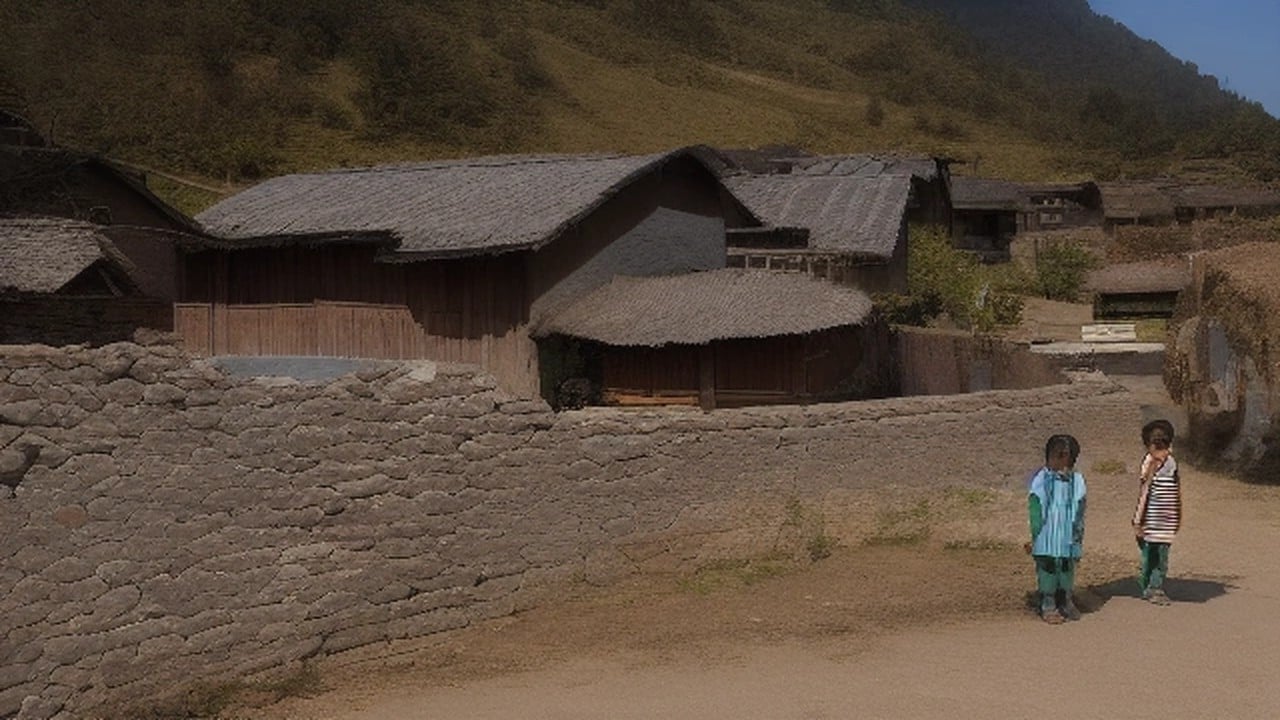
This article was independently researched, analyzed, and rewritten by the Nivaran Editorial Team to provide public-health and educational context. Primary reporting credit: myRepublica (published 2026-11-15). Cover visual: Unique AI editorial illustration created exclusively for Nivaran.
Distance is the disease. Your support helps us bring healthcare and education to communities where access still depends on geography.
Support this work