
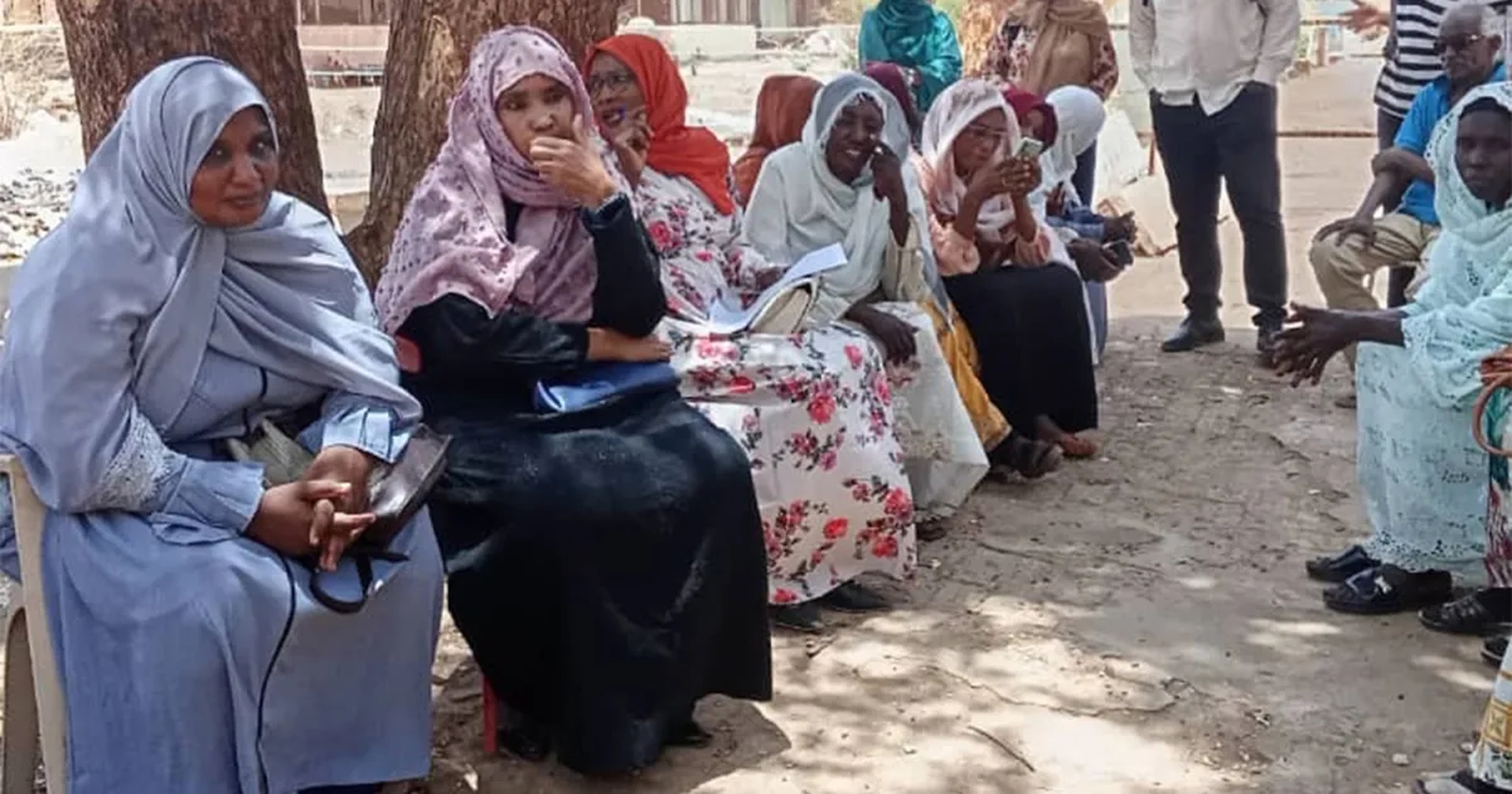
The devastating conflict gripping Sudan has plunged the nation into an unprecedented humanitarian crisis, tearing apart communities, displacing millions, and systematically dismantling essential infrastructure. Among the myriad casualties of this brutal conflict, the nation's healthcare system has suffered catastrophic blows, with mental health services, often marginalized even in times of peace, bearing a particularly heavy burden. Yet, amidst the widespread destruction and despair, a powerful testament to human resilience is emerging: a dedicated corps of volunteers is painstakingly rebuilding Sudan’s oldest psychiatric hospital, a vital institution reduced to rubble by the fighting.
The ongoing violence has not only claimed countless lives and shattered livelihoods but has also inflicted deep, invisible wounds on the psyche of the Sudanese people. The trauma of war—witnessing atrocities, losing loved ones, enduring displacement, and living under constant threat—has triggered a surge in mental health conditions, including post-traumatic stress disorder, severe depression, anxiety, and substance abuse. For a nation already grappling with limited mental health resources, the destruction of critical facilities has created an almost insurmountable challenge, leaving millions without access to the care they desperately need.
Sudan’s oldest psychiatric hospital stood as a beacon of hope for generations, a rare sanctuary for individuals struggling with mental illness in a society where such conditions often carry immense stigma. For decades, it provided essential diagnostic services, therapy, medication, and a safe environment for recovery, serving as a cornerstone of the country's nascent mental healthcare framework. Its destruction during the recent hostilities was not merely the loss of a building; it represented the obliteration of a lifeline for the most vulnerable, exacerbating an already dire public health crisis and deepening the despair of countless families.
The decision by local volunteers to undertake the monumental task of rebuilding this vital institution is a profound act of defiance against the forces of destruction. These are ordinary Sudanese citizens—doctors, nurses, students, laborers, and community leaders—united by a shared vision and an unwavering commitment to their fellow citizens. They work tirelessly, often with minimal resources and under challenging conditions, clearing debris, salvaging usable materials, and reconstructing walls brick by painstaking brick. Their efforts are a powerful demonstration of self-reliance and community solidarity, a collective refusal to surrender to the chaos and neglect that threaten to engulf their society.
Their work is not just about restoring a physical structure; it is about rebuilding hope and reaffirming the value of mental health in a context where survival often takes precedence. The volunteers understand that a functioning psychiatric hospital is more than just a medical facility; it is a symbol of stability, a place where the shattered fragments of lives can begin to mend. Their dedication resonates deeply across the nation, inspiring others and highlighting the urgent need for comprehensive support for mental well-being in post-conflict recovery efforts.
The broader human cost of the conflict is starkly illustrated by the plight of families returning home from displacement, only to confront new layers of suffering. One such family, having endured the harrowing experience of fleeing their homes and living in temporary shelters, returned to find their lives irrevocably altered. Their son, like many young people exposed to the horrors of war and the subsequent breakdown of social order, had developed a severe drug addiction. His struggle is a poignant microcosm of the wider crisis, reflecting the profound psychological toll of displacement, the erosion of coping mechanisms, and the desperate search for escape in the face of overwhelming trauma.
Without access to specialized addiction treatment or mental health support—services that the now-destroyed hospital once provided—the family finds themselves in an agonizing predicament. They navigate a landscape devoid of institutional help, relying solely on their own diminishing resources and resilience. The son's addiction not only jeopardizes his own future but also places immense strain on the entire family unit, highlighting the ripple effect of inadequate mental healthcare infrastructure in a conflict zone. Their story underscores the critical link between peace, stability, and the provision of essential health services, particularly for those battling the dual scourges of trauma and substance dependency.
Indeed, the collapse of mental health services is but one facet of a broader systemic breakdown in Sudan. The conflict has decimated general hospitals, clinics, and public health programs, leading to widespread shortages of medication, medical personnel, and basic supplies. Disease outbreaks, including cholera and measles, are rampant, exacerbated by poor sanitation, overcrowding in displacement camps, and a lack of vaccination campaigns. Food insecurity is soaring, pushing millions to the brink of famine. In this environment, addressing mental health challenges becomes even more complex, intertwined with the urgent need for food, shelter, and basic medical care.
The situation in Sudan serves as a stark global reminder of the catastrophic impact of armed conflict on public health, particularly on the often-overlooked domain of mental well-being. It underscores the universal imperative for robust, accessible mental health services, not only in times of peace but especially during and after humanitarian crises. The resilience demonstrated by the Sudanese volunteers offers a glimmer of hope, showcasing the power of community-led initiatives to fill critical gaps where state structures have crumbled. However, their valiant efforts alone cannot suffice.
Sustainable peace, substantial international aid, and a concerted global effort are essential to rebuild Sudan's shattered healthcare system from the ground up. This includes prioritizing mental health and psychosocial support as integral components of any humanitarian response and long-term recovery plan. The international community must recognize that investing in mental health is not merely an act of compassion but a fundamental prerequisite for societal healing, stability, and the restoration of human dignity.
The rebuilding of Sudan's oldest psychiatric hospital by its determined citizens is a powerful testament to the enduring human spirit in the face of unimaginable adversity. It is a story of hope emerging from the ruins, a beacon for those lost in the shadows of trauma and addiction. Yet, it is also a poignant call to action, a reminder that millions more across Sudan and other conflict-affected regions continue to suffer in silence, desperately awaiting the comprehensive support and lasting peace they so profoundly deserve.
Support Nivaran Foundation's global initiatives to rebuild essential healthcare services and provide mental health support in conflict-affected regions worldwide.
Support this work