
Nivaran Logo
News

Tehran School Strike Highlights Global Education Vulnerability in Conflict

Incident at Shahid Hamedani School underscores urgent need for protecting children and learning environments worldwide.

Tehran School Strike Highlights Global Education Vulnerability in Conflict

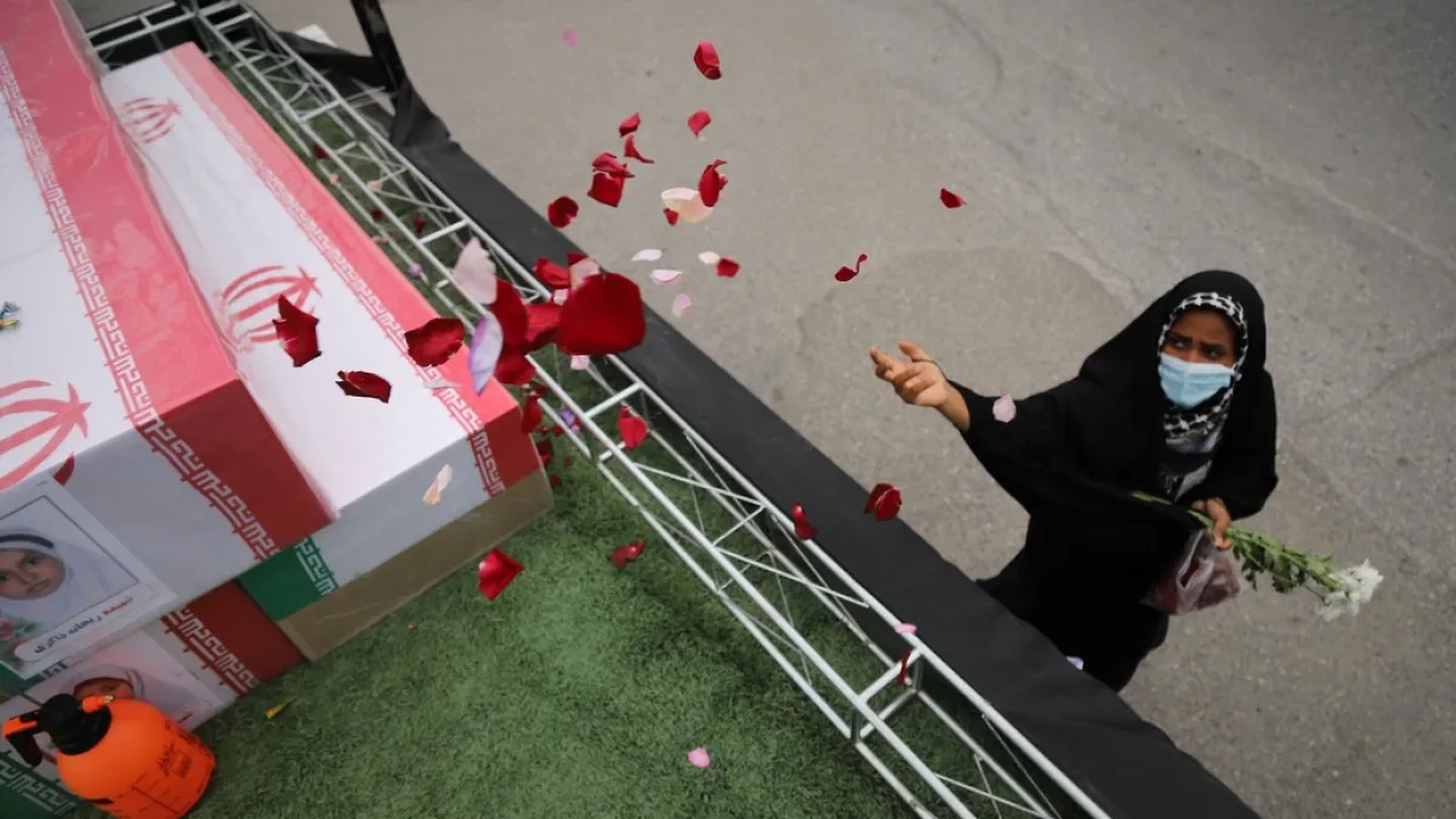
The global community has once again been reminded of the devastating impact of conflict on civilian life, particularly on the most vulnerable, following reports from Iran's Foreign Ministry of an elementary school being struck in Tehran. The incident, which purportedly caused significant destruction at the Shahid Hamedani School, underscores a deeply troubling trend where educational institutions become collateral damage or, in some cases, direct targets in ongoing hostilities.

While details surrounding the precise nature of the strike and its perpetrators remain subject to ongoing investigation and diplomatic exchanges, the very notion of an elementary school bearing the brunt of such an event sends a chilling message globally. Schools, by their fundamental nature, are meant to be sanctuaries of learning, growth, and safety for children, places where the next generation can develop free from the anxieties and dangers of the adult world. The reported damage, as indicated by footage shared by official sources, paints a grim picture of shattered windows, collapsed ceilings, and debris strewn across what should have been classrooms filled with the sounds of children learning. This immediate physical destruction is but one layer of the damage inflicted; the psychological scars on students, teachers, and the wider community are often far more profound and enduring, impacting their sense of security and trust in the institutions meant to protect them.

This incident in Tehran is not an isolated occurrence but rather a stark illustration of a pervasive global crisis where education systems are increasingly caught in the crossfire of armed conflicts. From the Middle East to Africa, and parts of Asia, schools are routinely occupied by armed groups, used for military purposes, or directly attacked, denying millions of children their fundamental right to education. Such actions violate established international norms and humanitarian laws designed to protect civilians and civilian infrastructure during wartime. The deliberate or indiscriminate targeting of educational facilities not only deprives children of learning opportunities but also robs entire communities of their future prospects, perpetuating cycles of poverty, instability, and violence.

International humanitarian law, enshrined in conventions such as the Geneva Conventions and their Additional Protocols, explicitly mandates the protection of civilians and civilian objects, including schools, during armed conflict. The principle of distinction requires parties to a conflict to differentiate between combatants and civilians, and between military objectives and civilian objects, and to direct attacks only against military objectives. Furthermore, the principle of proportionality prohibits attacks that are expected to cause incidental loss of civilian life, injury to civilians, or damage to civilian objects, which would be excessive in relation to the concrete and direct military advantage anticipated. The reported strike on Shahid Hamedani School, if confirmed as an attack on a civilian educational facility, would represent a grave breach of these foundational principles, highlighting the urgent need for adherence to and enforcement of these critical protections. The international community has a collective responsibility to ensure that these laws are respected and that accountability mechanisms are robustly applied to deter future violations.

Beyond the immediate physical damage and legal implications, the long-term psychological and social repercussions of such attacks are devastating. Children exposed to violence, displacement, and the destruction of their learning environments often suffer from acute stress, anxiety, post-traumatic stress disorder (PTSD), and other mental health challenges. The disruption to routine, the loss of a safe space, and the constant threat of danger can severely impede their cognitive development, emotional well-being, and ability to learn. Teachers, too, face immense pressure, often struggling with their own trauma while trying to provide continuity and a sense of normalcy for their students. For communities, the destruction of schools represents a loss of hope, a blow to their social fabric, and a significant setback in their efforts towards recovery and development. It can lead to increased school dropout rates, child labor, and early marriage, further entrenching cycles of disadvantage and vulnerability.

The incident in Tehran serves as a potent reminder that the protection of education in conflict zones must remain a top global priority. International organizations, governments, and civil society groups continually advocate for stronger commitments to safeguard schools, students, and educators from the ravages of war. Initiatives such as the Safe Schools Declaration, which commits states to protect students, teachers, schools, and universities from attack during armed conflict, are vital frameworks for action. However, declarations alone are insufficient; they must be backed by concrete measures, including robust monitoring, reporting, and accountability mechanisms. There is a pressing need for all parties to conflict to adhere strictly to international humanitarian law and to prioritize the safety and well-being of children above all else.

In the aftermath of such devastating events, humanitarian efforts become paramount. This includes providing emergency educational support, psychosocial assistance for affected children and families, and resources for the rapid repair or reconstruction of damaged schools. Ensuring educational continuity, even in the most challenging circumstances, is crucial for maintaining a semblance of normalcy and hope for children whose lives have been upended by conflict. These efforts not only address immediate needs but also lay the groundwork for long-term recovery and resilience, helping communities rebuild their educational infrastructure and restore trust in the future. Organizations dedicated to global education and child protection play an indispensable role in these endeavors, often operating in high-risk environments to deliver essential services.

The reported strike on Shahid Hamedani School in Tehran is a somber reminder of the fragility of peace and the profound vulnerability of education in a world grappling with persistent conflicts. It underscores the universal imperative to protect learning environments as sacred spaces, vital for nurturing the minds of future generations and fostering stability. As the Nivaran Foundation advocates globally, investing in education, even amidst crisis, is not merely an act of charity but a strategic investment in peace, development, and the fundamental human dignity of every child. The global community must redouble its efforts to prevent such attacks, ensure accountability, and champion the right to safe, quality education for all children, everywhere, recognizing that the future of humanity rests on the foundations laid in our schools.

If this moved you, share it
FacebookLinkedInXWhatsApp

Support Nivaran Foundation's efforts to safeguard education and provide psychosocial support for children affected by conflict worldwide.

Support this work

Nivaran logo
Nivaran Foundation Global Desk

Nivaran Foundation global desk bio line

InstagramFacebookLinkedInX
More from the field
News
FDA Vaccine Chief's Second Departure Raises Global Health Governance Questions
News
Global Outcry as Iranian Girls' School Strike Under Investigation
News
AI Breakthrough Boosts Trust in Arabic Online Health Information