
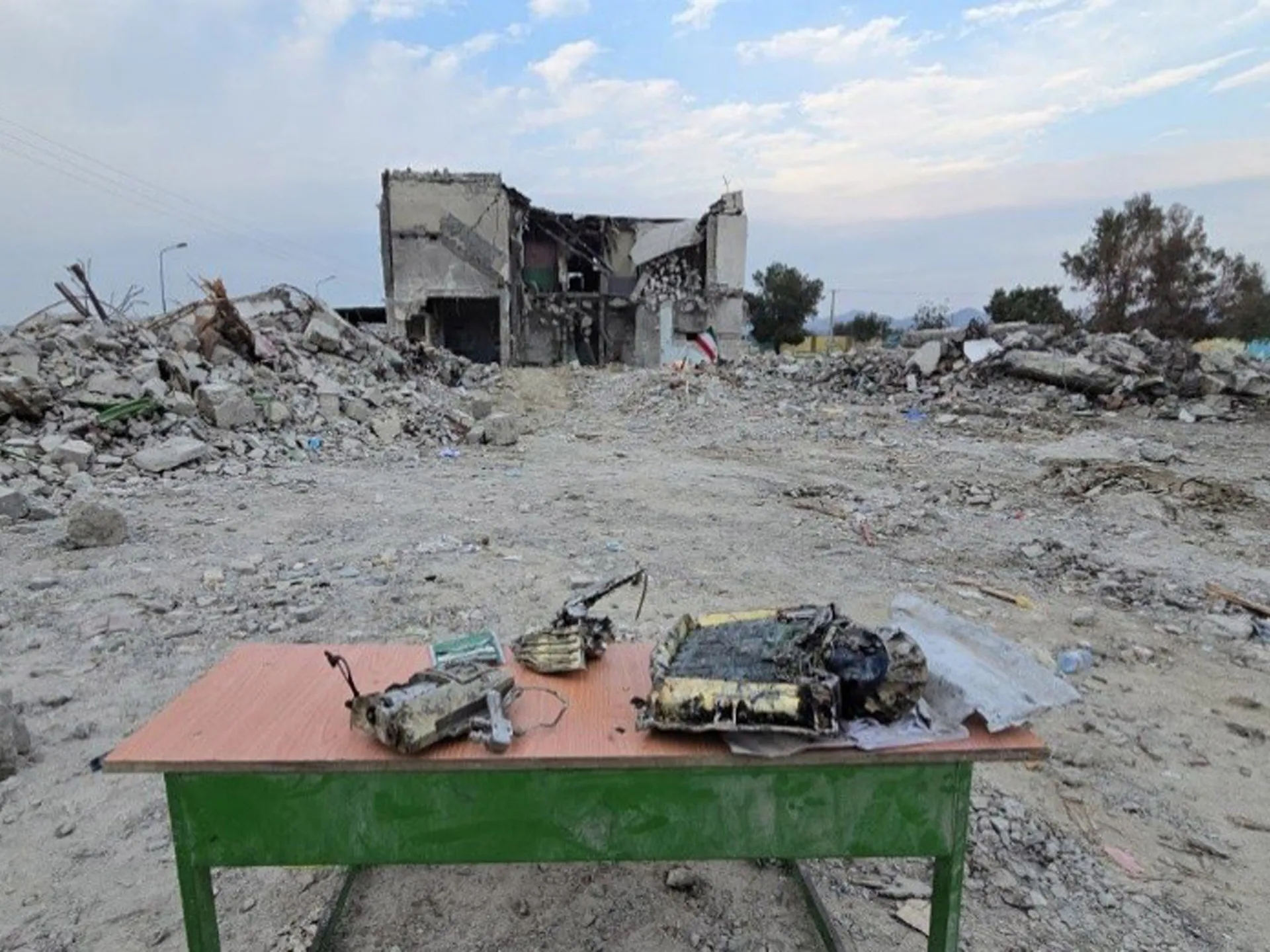
The recent devastating incident in Minab, where a missile reportedly struck a classroom, serves as a stark and tragic reminder of a pervasive global crisis: the deliberate targeting of educational institutions in zones of conflict. This act, far from being an isolated tragedy, epitomizes a disturbing pattern of violence that systematically undermines the fundamental right to education and inflicts irreparable harm on future generations. Such attacks are not merely collateral damage in the fog of war; they are often calculated acts that violate international humanitarian law, leaving behind a trail of death, trauma, and shattered dreams across continents.
The Sanctity of Learning Under Siege
Schools are universally recognized as sanctuaries, neutral spaces where children are meant to learn, grow, and develop, shielded from the brutal realities of armed conflict. They represent hope, progress, and the promise of a better future. When these havens are deliberately targeted, whether by bombings, shelling, or occupation by armed forces, it sends a chilling message that no place is safe, and no child is beyond the reach of violence. The destruction of a school is not just the demolition of a building; it is the obliteration of a community's future, a direct assault on the very fabric of society. It robs children of their opportunity to acquire knowledge, develop critical thinking skills, and ultimately contribute meaningfully to their societies. The psychological scars left on survivors—children, teachers, and parents—are profound and long-lasting, often manifesting as anxiety, depression, and post-traumatic stress disorder, further impeding their ability to learn and thrive.
Erosion of International Humanitarian Law
International humanitarian law (IHL) is unequivocally clear: civilians and civilian infrastructure, including schools, are protected during armed conflict. The Geneva Conventions and their Additional Protocols, along with the Optional Protocol to the Convention on the Rights of the Child on the involvement of children in armed conflict, explicitly prohibit attacks on educational facilities and the use of schools for military purposes. These legal frameworks underscore the principles of distinction and proportionality, requiring parties to a conflict to differentiate between combatants and civilians, and to ensure that attacks do not cause excessive harm to civilians or civilian objects. The deliberate targeting of a school, especially one filled with children, constitutes a grave breach of these laws and is unequivocally a war crime. Such acts not only demonstrate a callous disregard for human life but also erode the foundational principles of international law, setting dangerous precedents and undermining global efforts to protect the most vulnerable during wartime.
The Profound Human and Societal Cost
The immediate casualties of attacks on schools are devastating, but the long-term consequences extend far beyond the initial loss of life. When schools are destroyed or rendered unsafe, millions of children are deprived of education, leading to what can be termed a 'lost generation.' These children, without access to learning, become more vulnerable to exploitation, child labor, early marriage, and recruitment by armed groups. The disruption of education also has profound health implications; schools often serve as vital hubs for health education, vaccination campaigns, and the dissemination of critical public health information. Their destruction means a loss of access to these services, exacerbating existing health crises and creating new ones. Furthermore, the psychological trauma inflicted on children who witness or survive such attacks can lead to lifelong mental health challenges, impacting their development, social integration, and overall well-being. The destruction of educational infrastructure also hinders post-conflict recovery and development, as a well-educated populace is crucial for rebuilding societies and fostering sustainable peace.
Support Nivaran Foundation's global efforts to safeguard education and advocate for children's rights in conflict-affected regions.
Support this work