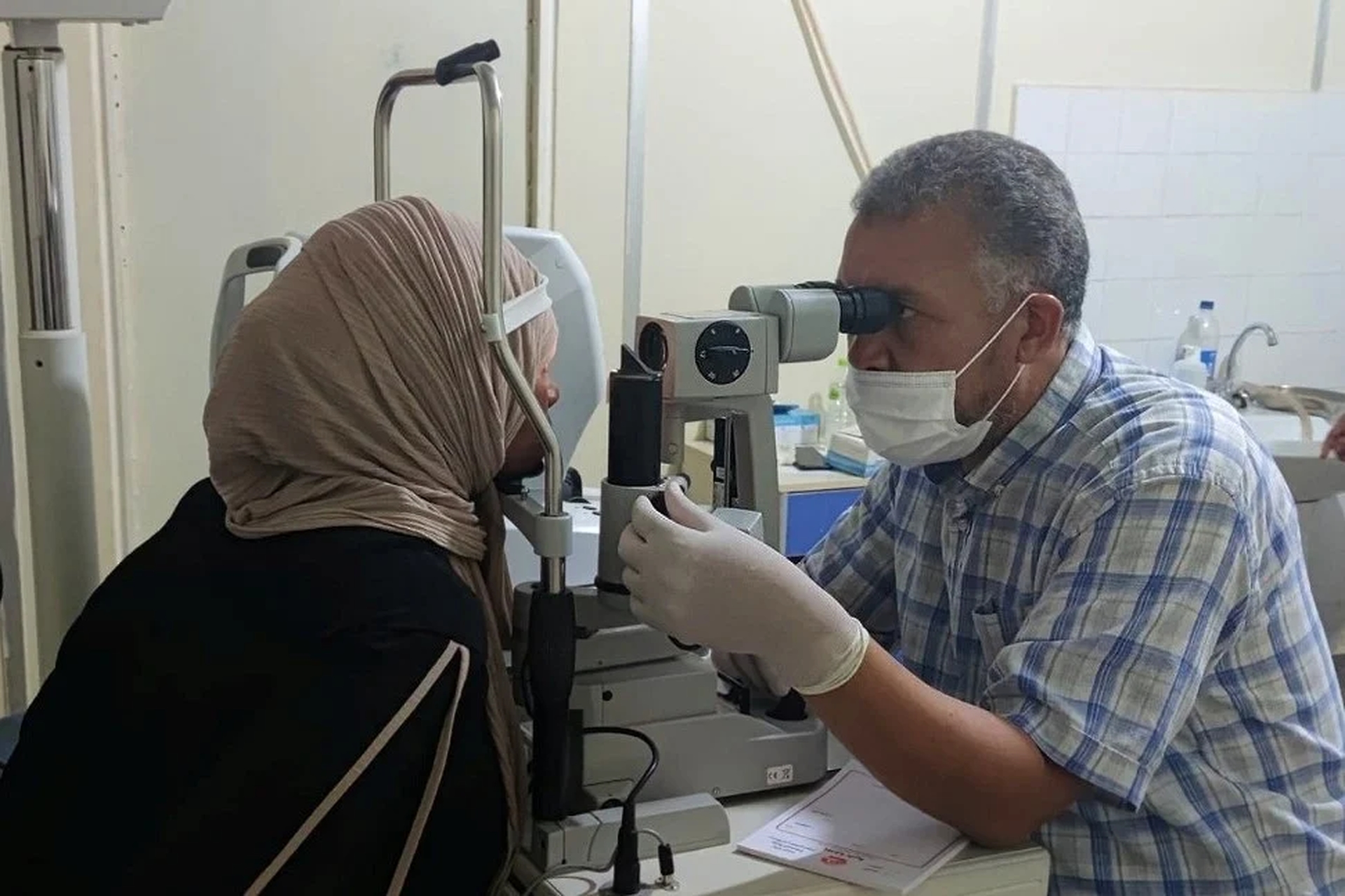
In a profound testament to sustained public health commitment and international collaboration, the World Health Organization (WHO) has officially validated Libya's elimination of trachoma as a public health problem. This monumental achievement, announced on February 18, 2026, marks a significant victory not only for the people of Libya but also for the broader Eastern Mediterranean Region and the global fight against neglected tropical diseases (NTDs). It stands as a powerful reminder that even in the face of complex challenges, dedicated efforts can lead to the eradication of debilitating diseases, protecting future generations from preventable suffering and blindness.
Trachoma, a bacterial infection caused by Chlamydia trachomatis, is the world's leading infectious cause of blindness. It typically begins in childhood, manifesting as repeated infections that cause the eyelids to turn inwards, a painful condition known as trichiasis. The eyelashes then rub against the cornea, leading to irreversible scarring and, ultimately, blindness. This agonizing progression not only robs individuals of their sight but also traps communities in cycles of poverty, hindering educational opportunities, reducing productivity, and imposing immense socio-economic burdens. Historically, trachoma has disproportionately affected marginalized populations in remote and underserved areas, where access to clean water, sanitation, and healthcare is limited, perpetuating its devastating impact across generations.
Libya's journey to elimination is a compelling narrative of strategic planning, robust implementation, and unwavering resolve. The nation adopted the WHO-recommended SAFE strategy, a comprehensive public health approach designed to combat trachoma effectively. This multi-faceted strategy encompasses four key pillars: Surgery for trichiasis to prevent blindness; Antibiotics to treat the infection, particularly mass drug administration with azithromycin; Facial cleanliness to reduce transmission; and Environmental improvements, focusing on access to clean water and improved sanitation. Each component of the SAFE strategy is critical, and their integrated application is essential for achieving sustainable elimination.
The implementation of the SAFE strategy in Libya required a concerted effort across various sectors. The public health infrastructure was mobilized to identify and treat individuals suffering from trichiasis, providing sight-saving surgeries that restored dignity and independence. Concurrently, widespread antibiotic distribution campaigns were meticulously organized, reaching communities at risk to interrupt the transmission cycle of the bacterium. These campaigns demanded extensive logistical planning, community engagement, and the training of healthcare workers to ensure equitable access and high coverage rates, particularly in regions that might have been difficult to access due to geographical or infrastructural challenges.
Beyond medical interventions, a significant focus was placed on behavioral change and environmental improvements. Public health education initiatives were launched to promote facial cleanliness, especially among children, recognizing that clean faces are less susceptible to infection and reinfection. Furthermore, investments were made in improving access to safe water sources and enhancing sanitation facilities. These environmental interventions are foundational to preventing the spread of trachoma, as the bacteria are often transmitted through direct contact with eye and nose discharges of infected individuals, or indirectly via contaminated hands, clothing, or flies. Addressing these underlying determinants of health was crucial for achieving a lasting impact and preventing the resurgence of the disease.
Libya's success is particularly noteworthy given the complex operational environment it has navigated in recent years. Despite periods of instability and challenges to its public health infrastructure, the commitment to eliminating trachoma remained steadfast. This resilience underscores the profound dedication of Libyan health authorities, healthcare professionals, and community volunteers who worked tirelessly on the front lines. Their efforts ensured that essential services continued, surveillance systems remained active, and progress towards elimination was maintained, demonstrating an extraordinary level of national ownership and perseverance in the face of adversity.
The WHO validation process is rigorous and comprehensive, involving an independent assessment of a country's data and programs to confirm that trachoma is no longer a public health problem. This entails demonstrating that the prevalence of trichiasis is below a certain threshold (typically less than 0.2% in adults aged 15 years and older) and that the prevalence of active trachoma in children aged 1-9 years is below 5%, both sustained for at least three years. Libya successfully met these stringent criteria, providing robust evidence of its sustained efforts and the effectiveness of its national trachoma control program. This validation is not merely a ceremonial recognition; it signifies a genuine and measurable improvement in the health and well-being of the Libyan population.
Libya now joins a growing list of countries that have achieved this significant milestone, serving as an inspiring example for other nations still grappling with the burden of NTDs. This achievement reinforces the feasibility of the WHO's global NTD roadmap targets, which aim for the elimination of at least one NTD in 100 countries by 2030. It highlights the critical importance of political will, adequate funding, strong partnerships, and community engagement in driving public health progress. The lessons learned from Libya's experience can provide valuable insights and strategies for other countries embarking on similar elimination journeys, demonstrating that even the most entrenched diseases can be overcome with strategic intervention and collective action.
The elimination of trachoma in Libya is more than just a public health triumph; it is a victory for human dignity and socio-economic development. By preventing blindness, countless individuals will now have the opportunity to lead fuller, more productive lives, contributing to their families and communities. Children will be able to attend school without the debilitating pain and visual impairment caused by trachoma, breaking intergenerational cycles of poverty and enhancing educational attainment. This achievement will have a ripple effect, fostering greater equity, improving quality of life, and strengthening the overall health system.
While elimination marks a significant milestone, vigilance remains paramount. Ongoing surveillance is crucial to ensure that the disease does not re-emerge, particularly in areas with continued risk factors. Public health systems must remain robust, capable of detecting and responding to any potential resurgence, ensuring that the gains made are sustained for future generations. Libya's success story is a powerful affirmation of what can be achieved when nations prioritize public health and commit to the eradication of preventable diseases, offering a beacon of hope and a blueprint for global health action.
Your support empowers Nivaran Foundation to champion similar public health victories and eradicate preventable diseases globally.
Support this work