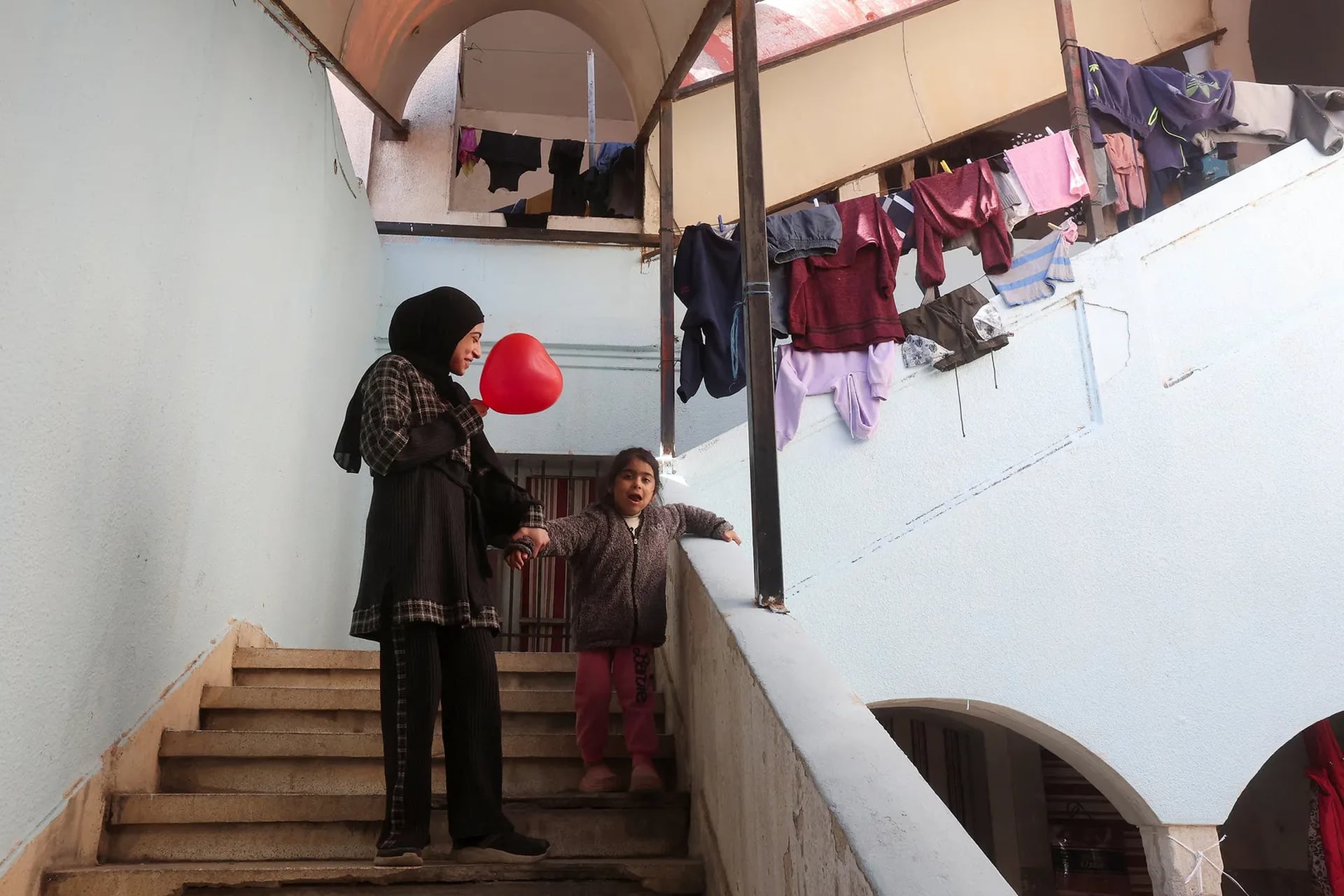
The displacement of families from southern Lebanon to Sidon schools, fleeing Israeli attacks, represents a stark illustration of how conflict devastates civilian lives and repurposes critical infrastructure. Schools, intended as bastions of learning and growth, are transformed into emergency shelters, underscoring the profound disruption to education and the severe humanitarian challenges faced by populations caught in the crossfire. This unfolding crisis in Lebanon is a microcosm of a global phenomenon where educational institutions bear the brunt of conflict, becoming both refuge and casualty.
For weeks, the escalating hostilities along Lebanon's southern border have forced thousands of families to abandon their homes, livelihoods, and communities. The relentless threat of bombardment and ground incursions has created an environment of pervasive fear, compelling entire villages to seek safety further north. Sidon, a coastal city historically a haven for those fleeing conflict, has once again opened its doors, with public schools becoming the primary, albeit temporary, sanctuary for many. These families arrive with little more than the clothes on their backs and the trauma of displacement etched onto their faces, embodying the urgent need for comprehensive humanitarian assistance.
The journey to Sidon is often fraught with peril, undertaken under conditions of extreme stress. Upon arrival, the immediate challenges are overwhelming. The schools, while offering a roof overhead, were never designed to house hundreds of individuals. Classrooms, once filled with desks and educational materials, are now crowded with makeshift sleeping arrangements – thin mattresses, blankets, and personal belongings crammed into every available space. This rapid transformation places immense strain on the existing infrastructure, leading to significant concerns regarding sanitation, access to clean water, and adequate nutrition. The sheer volume of displaced persons quickly exhausts local resources, necessitating a robust and coordinated humanitarian response.
The impact on education is multifaceted and severe. For the displaced children, their academic year has been abruptly halted, potentially for an indefinite period. The psychological toll of witnessing conflict and experiencing displacement makes it incredibly difficult for them to focus on learning, even if educational activities could be resumed in these temporary settings. Furthermore, the conversion of schools into shelters means that the original student population of Sidon also faces disruption, with their own learning environments compromised. This creates a ripple effect, undermining the educational prospects of an entire generation and highlighting the fragility of educational systems in conflict-affected regions. Nivaran Foundation advocates for the protection of educational spaces and the provision of continuous learning opportunities, even amidst crisis, recognizing education as a fundamental right and a cornerstone of stability.
Beyond the immediate shelter, the health implications for these displaced families are profound. Overcrowding in school buildings creates an ideal breeding ground for infectious diseases, posing a significant public health risk. Respiratory infections, skin conditions, and gastrointestinal illnesses are common in such environments, exacerbated by limited access to proper hygiene facilities and medical care. Pregnant women, young children, and the elderly are particularly vulnerable, requiring specialized attention that is often scarce in emergency settings. Moreover, the mental health burden is immense. The trauma of fleeing conflict, the loss of home and community, and the uncertainty of the future contribute to high levels of anxiety, depression, and post-traumatic stress disorder among both adults and children. Providing psychosocial support and mental health services is as critical as addressing physical ailments, yet these services are frequently overlooked in the initial stages of humanitarian response.
Local communities in Sidon, alongside various non-governmental organizations, have mobilized swiftly to provide aid. Volunteers distribute food, clothing, and basic necessities, demonstrating remarkable solidarity. However, the scale of the displacement far outstrips the capacity of local initiatives. International humanitarian organizations are crucial in augmenting these efforts, providing essential supplies, medical assistance, and expertise in managing large-scale displacement. Yet, funding gaps and logistical challenges often impede the timely and comprehensive delivery of aid, leaving many vulnerable families underserved. The situation underscores the urgent need for sustained international attention and resources to prevent a deepening humanitarian catastrophe.
This crisis in southern Lebanon is not an isolated incident but rather a poignant reminder of the global challenge posed by internal displacement in conflict zones. Across the world, millions are forced from their homes due to violence, with schools, hospitals, and other civilian infrastructure frequently becoming collateral damage or, as in Sidon, repurposed for survival. The vulnerability of educational institutions in such contexts is a recurring theme, highlighting the critical importance of international humanitarian law which mandates the protection of civilians and civilian objects, including schools. When schools are used as shelters, it is imperative that their educational function is restored as quickly as possible, and that alternative, appropriate shelter solutions are sought.
The long-term consequences of such displacement are far-reaching. Even if families are eventually able to return to their homes, many will find their communities devastated, their livelihoods destroyed, and their children's education severely disrupted. The process of rebuilding lives, homes, and social fabric is arduous and requires sustained support beyond the immediate emergency phase. It necessitates investment in reconstruction, economic recovery, and psychosocial rehabilitation to help individuals and communities heal and rebuild resilience. The current situation in Sidon, while a testament to human resilience in the face of adversity, also serves as a stark warning about the enduring human cost of conflict and the imperative for lasting peace.
Nivaran Foundation believes that education and health are fundamental human rights that must be protected, even in the most challenging circumstances. The sight of children displaced from their classrooms, now living within them as temporary refugees, is a powerful call to action. It emphasizes the need for robust emergency education programs, comprehensive health interventions, and dedicated psychosocial support for those affected by conflict. Our mission is to advocate for policies that safeguard these rights and to support initiatives that provide tangible assistance to vulnerable populations worldwide. The families in Sidon, like countless others globally, deserve not just shelter, but the promise of a future where learning and well-being are secure.
The global community has a moral obligation to respond effectively to such crises, ensuring that the most vulnerable are not forgotten. This includes not only providing immediate relief but also working towards sustainable solutions that address the root causes of conflict and displacement. Protecting schools from becoming battlegrounds or permanent shelters, and ensuring that children can continue their education without interruption, is paramount for future stability and development. The plight of Lebanese families in Sidon's schools is a vivid reminder that peace, education, and health are inextricably linked, and their absence creates profound human suffering that demands our collective attention and action.
Support Nivaran Foundation's efforts to provide education and health services to vulnerable populations displaced by conflict worldwide.
Support this work