
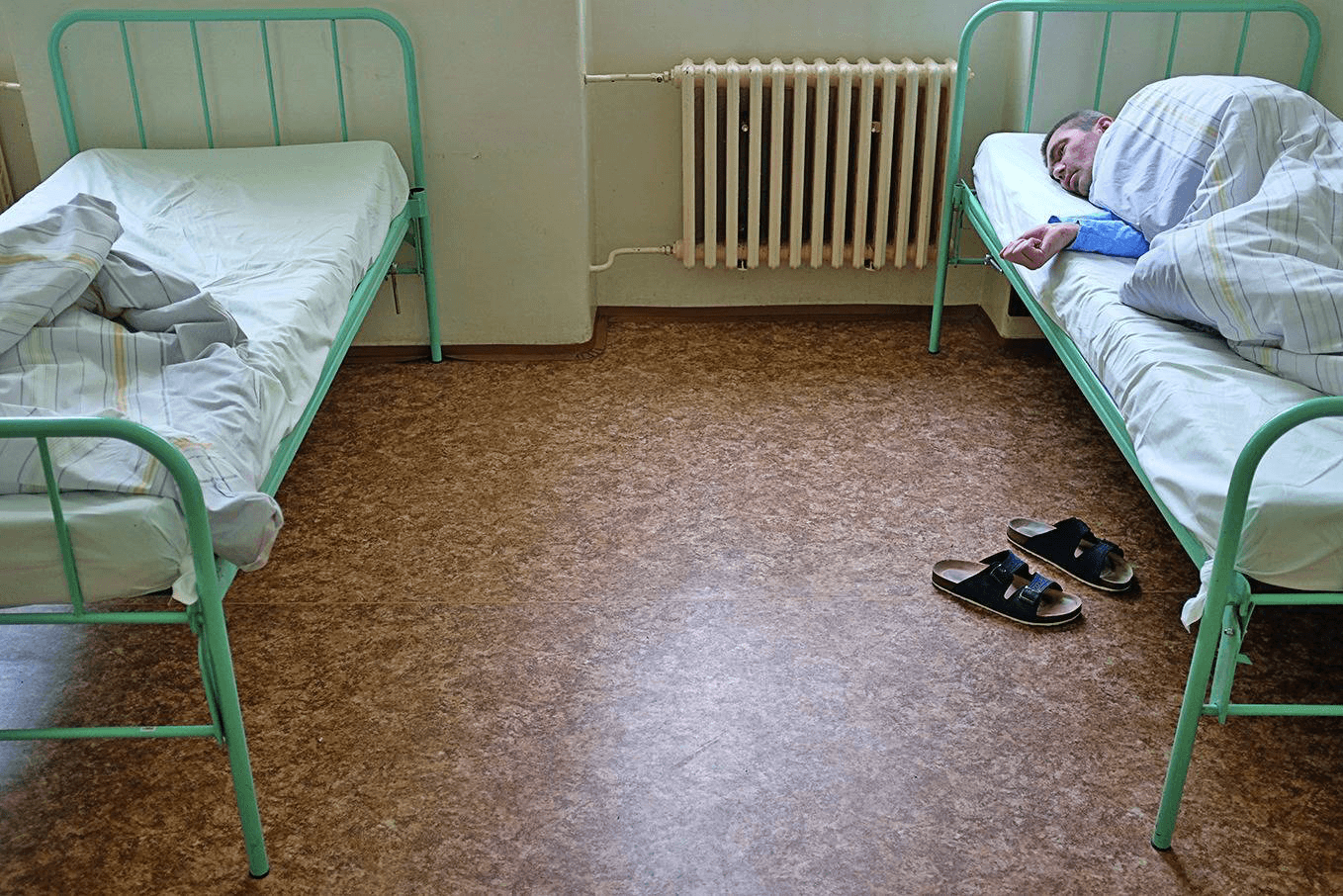
One mother delivered on a clean monitored bed, another on a dirt floor hours away from skilled care, and both stories happened in the same country. Long before this became a public conversation, it was already a private burden. The question in those moments is never abstract. Families are not asking for a theory of reform. They are asking whether care can arrive before fear becomes irreversible. That urgency is the emotional center of this story, and it is exactly where rural health conversations are too often diluted into generic talking points.
On February 20, 2026, World Day of Social Justice pulled this issue into sharper public view. But for frontline workers, the pattern was already familiar. Structural health injustice where wealth and location still shape maternal and emergency outcomes is not a sudden surprise in remote systems; it is a recurring stress line. When access is fragile, one pressure point can quickly affect diagnosis timing, treatment continuity, and household confidence in seeking help early. The clinical timeline does not wait for administrative comfort.
When systems are thin, the ordinary becomes clinical very quickly. A patient does not experience transport, policy, and staffing as separate categories. They experience one outcome: care in time, or care too late. That is why public narratives that isolate a single cause often miss the lived reality in districts where the margin for delay is already thin. In these places, resilience is not a concept. It is a daily negotiation with geography, cash flow, weather, and social trust.
Across unequal health systems, access delay and treatment quality differences map closely to income and geography. Numbers matter here not because they are dramatic, but because they clarify preventability. Most damage in this cycle is not inevitable. It grows when systems normalize delay and call it context. The better interpretation is more demanding and more hopeful at once: if risk is patterned, response can be patterned too. That means making prevention visible enough to be funded before deterioration makes emergency spending unavoidable.
During recent field operations, the human texture of this challenge was unmistakable. Caregivers described waiting out symptoms because travel costs were uncertain. Older patients delayed follow-up because one missed workday could break a household budget. Adolescents said they understood warning signs but did not know whether referral would be practical. These are not compliance failures. They are design failures in how care pathways are communicated and supported.
Nivaran's district model pushed resources toward communities with the thinnest clinical margin and the greatest travel burden. The value of this approach is not speed for its own sake. It is reduction of avoidable uncertainty. When households know where to go, when to move, and what support exists, they seek care sooner. Earlier care almost always means lower risk, lower cost, and better dignity. Late care is expensive in every dimension: clinical, financial, and emotional.
One field coordinator summarized the month in a sentence we keep returning to: "Distance is the disease, and delay is its first symptom." That line is not rhetoric. It is operational truth. The most important work is often invisible to public celebration: phone calls that keep a referral alive, local triage decisions that prevent collapse, and follow-up conversations that stop families from disappearing between one appointment and the next.
Justice in health is not a slogan. It is a resource-allocation decision repeated every day. The policy implication is straightforward. Systems should be judged by continuity under stress, not only by performance on ordinary days. A resilient model plans for disruption in advance and protects the patient pathway when disruption arrives. If governance is serious about equity, it must treat first-mile access and last-mile delivery with the same seriousness as tertiary infrastructure. Otherwise, national progress remains geographically selective.
This is also why the story matters beyond one district or one news cycle. Health risk compounds where social risk already lives. A child who misses preventive care today may miss school tomorrow and income opportunity years later. A family forced into distress spending for one avoidable delay can remain economically exposed long after the medical episode ends. Public health and social justice are not parallel agendas here. They are the same map viewed at different time scales.
Teams that succeed here do not wait for perfect data; they build practical signal loops and act while windows are still open. In practical terms, this means protecting local credibility. Communities act on advice when advice is specific, timely, and realistic for their constraints. They disengage when communication sounds polished but unusable. High-quality response therefore includes language discipline: tell people exactly what to watch, exactly when to move, and exactly where support can be found. Precision builds trust; trust protects health behavior.
For the weeks ahead, the priority is persistence. Not a one-day campaign, not a temporary surge, but steady execution until the risk curve falls. That includes continued household outreach, stronger referral confidence, and sharper coordination across local institutions. It also includes honest reporting on what still fails. Credibility grows when systems admit friction and fix it in public, instead of hiding delay behind technical vocabulary that families cannot use.
Real solidarity means funding the boring parts of health systems that quietly save lives every week. The meaning of social justice becomes clear at the bedside. Equity is proven only when care reaches the people furthest from power.
The deeper lesson in Nepal is that prevention succeeds when institutions respect lived constraints instead of assuming ideal behavior. Families make rational decisions with the options they have. Our task is to widen those options before illness narrows them. That is the practical meaning of equity in health: fewer impossible choices at the exact moment people need clarity.
The longer arc of this work is institutional: better coordination, clearer referral trust, and stronger local ownership of health decisions. None of these changes are glamorous, but all of them reduce harm. When prevention is consistent, families regain the confidence to seek care sooner, health workers can act earlier, and communities stop treating delay as unavoidable fate.
Support field operations that reduce delay and keep care reachable for families across remote Nepal.
Support this work