
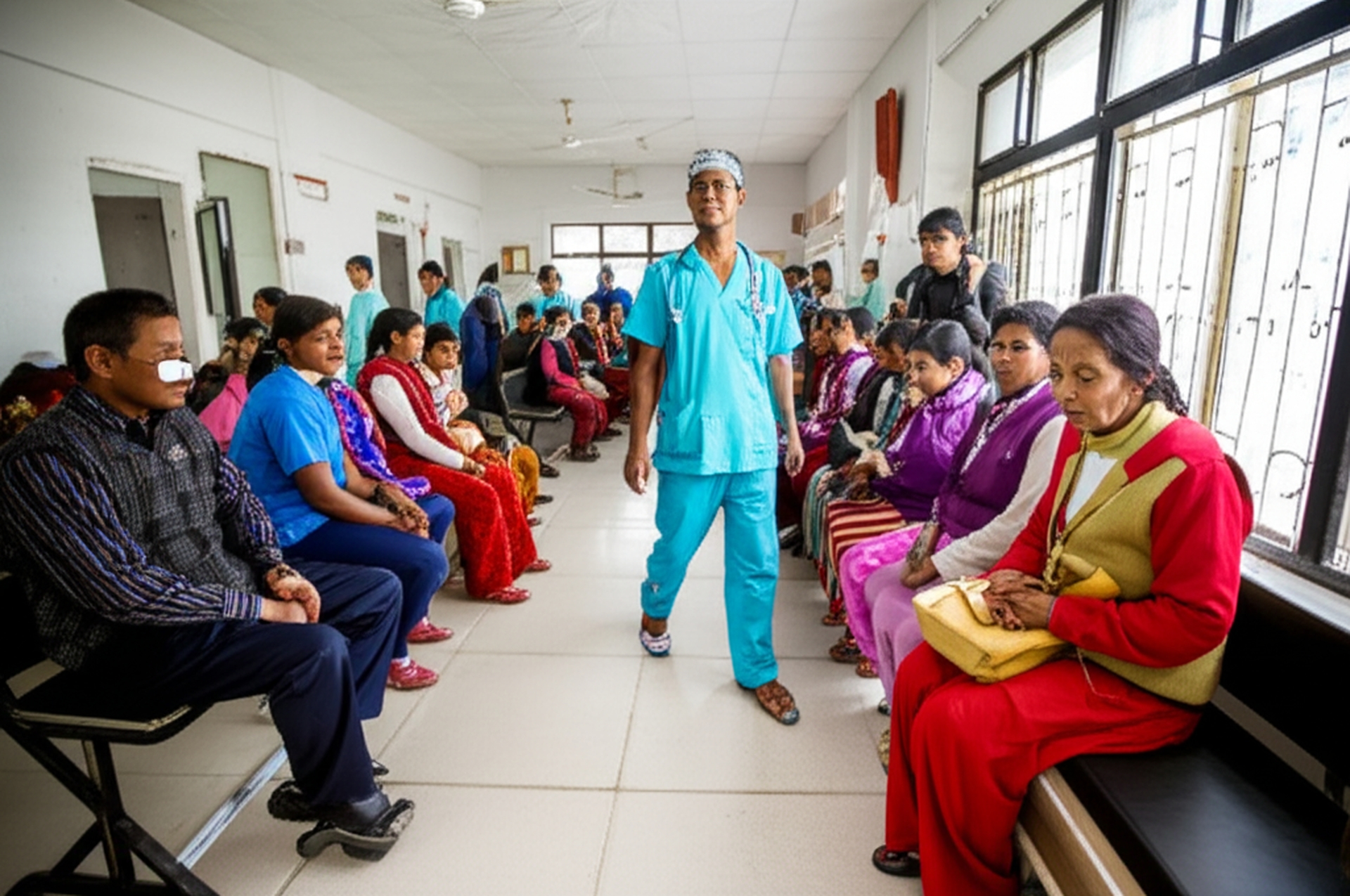
In a testament to unwavering dedication and the critical need for specialized medical services, Himalaya Eye Hospital has reported an extraordinary year, serving a staggering 247,585 patients. This monumental achievement underscores the profound impact a single institution can have on the health and well-being of a nation, particularly in a developing country like Nepal where access to quality healthcare remains a significant challenge for many. The sheer volume of patients attended to highlights not only the hospital's operational efficiency and capacity but also the pervasive demand for eye care services across Nepal's diverse population, from its bustling urban centers to its remote, mountainous villages.
The Silent Epidemic: Eye Health in Nepal
Eye health is inextricably linked to overall quality of life, productivity, and socio-economic development. In Nepal, preventable blindness and visual impairment continue to be major public health concerns. Conditions such as cataracts, glaucoma, uncorrected refractive errors, and diabetic retinopathy disproportionately affect rural populations, the elderly, and those with limited access to information and medical facilities. The rugged topography of the Himalayan nation, coupled with socio-economic disparities, often means that individuals in remote areas suffer from treatable conditions for years, leading to irreversible blindness and profound personal and communal hardship. A person losing their sight in a rural farming community not only loses their independence but also impacts their family's ability to sustain itself, perpetuating cycles of poverty.
The prevalence of eye diseases in Nepal is a silent epidemic, often overshadowed by other communicable and non-communicable diseases. Yet, the impact on individuals and the national economy is immense. Children with uncorrected vision struggle in school, limiting their educational and future employment prospects. Adults lose their ability to work, farm, or engage in daily activities, becoming dependent on family members. The elderly, already vulnerable, face increased risks of falls and isolation. This context makes the work of institutions like Himalaya Eye Hospital not just a medical service, but a crucial intervention for human dignity and national progress.
Himalaya Eye Hospital: A Beacon of Vision
Himalaya Eye Hospital stands as a pivotal institution in Nepal's eye care landscape. Its success in serving nearly a quarter of a million patients within a year speaks volumes about its comprehensive approach and strategic outreach. The hospital provides a wide spectrum of services, ranging from routine eye examinations and prescription of corrective lenses to complex surgical procedures for cataracts, glaucoma, and corneal diseases. Beyond clinical services, the hospital is often involved in public health initiatives, including awareness campaigns about eye hygiene, early detection of eye conditions, and the importance of regular check-ups.
The hospital's ability to manage such a high patient load is a testament to its dedicated team of ophthalmologists, optometrists, nurses, and support staff, often working in challenging conditions. Their commitment extends beyond the operating theatre, encompassing patient education, post-operative care, and follow-up. The institution likely employs a blend of advanced medical technology and practical, accessible solutions tailored to the Nepali context, ensuring that high-quality care is delivered efficiently and effectively to a diverse patient base, many of whom travel long distances for treatment.
Overcoming Obstacles: Challenges in Eye Care Delivery
Despite the commendable efforts of hospitals like Himalaya Eye Hospital, significant challenges persist in ensuring universal access to eye care across Nepal. Geographical barriers remain paramount; reaching remote villages nestled in the Himalayas often requires arduous journeys, making regular check-ups or timely interventions difficult. Many patients cannot afford the travel costs, let alone the medical fees, even when services are subsidized or free. Financial constraints are a major deterrent, pushing treatable conditions to advanced, irreversible stages.
Furthermore, there is a chronic shortage of specialized ophthalmologists and trained eye care personnel, particularly outside of major urban centers. This scarcity means that many districts lack even basic eye care facilities, forcing residents to travel to distant hospitals. Cultural beliefs and a lack of awareness about preventable blindness also contribute to delayed presentation for treatment. Some communities may attribute vision loss to fate or old age, unaware that many conditions are treatable or manageable if detected early. Bridging these gaps requires sustained investment in infrastructure, human resources, and community-level education.
Reaching the Unreached: Outreach and Prevention
To truly address the burden of eye disease in Nepal, institutions like Himalaya Eye Hospital often extend their services beyond their physical premises through robust outreach programs. These initiatives typically involve organizing mobile eye camps in remote districts, bringing diagnostic and treatment services directly to communities that would otherwise have no access. During these camps, thousands are screened, spectacles are distributed, and patients requiring surgery are identified and often transported to the main hospital for operations.
Preventative care is another cornerstone of these outreach efforts. Educating communities about the importance of eye hygiene, the dangers of traditional remedies, and the benefits of early medical intervention plays a crucial role in reducing the incidence of preventable blindness. These programs often target schools, local health posts, and community groups, empowering individuals with knowledge to protect their vision. By proactively engaging with communities, hospitals not only treat existing conditions but also work towards preventing future cases, fostering a culture of eye health awareness across the nation.
A Collaborative Vision: Government and Partnerships
The success of eye care initiatives in Nepal is often a result of collaborative efforts involving the government, non-governmental organizations (NGOs), and international partners. The Ministry of Health and Population plays a vital role in setting national policies, allocating resources, and integrating eye care into the broader public health framework. However, the scale of the challenge necessitates strong partnerships with specialized institutions and NGOs that possess the expertise and operational capacity to deliver services on the ground.
Organizations like the Nivaran Foundation, alongside numerous local and international partners, contribute significantly by providing funding, technical assistance, and logistical support to eye hospitals and outreach programs. These collaborations help to strengthen the healthcare infrastructure, train personnel, and expand the reach of services to underserved populations. The collective vision of these stakeholders is to achieve a Nepal where preventable blindness is eradicated, and quality eye care is accessible to every citizen, regardless of their geographical location or socio-economic status.
Beyond Sight: Socio-Economic Impact
The impact of accessible eye care extends far beyond the individual's ability to see. Restoring sight or preventing its loss has profound socio-economic implications for families and the nation. For children, improved vision means better academic performance, increased opportunities for higher education, and a brighter future. For adults, it means renewed ability to work, contribute to their families' income, and participate actively in community life, thereby reducing poverty and enhancing economic productivity.
In a country where agriculture is a primary livelihood, clear vision is essential for tasks ranging from planting and harvesting to tending livestock. Artisans, weavers, and small business owners rely on their sight for their craft and trade. By enabling individuals to regain or maintain their independence, eye care services foster dignity, self-reliance, and overall societal well-being. The investment in eye health is, therefore, an investment in human capital and sustainable national development.
Sustaining the Gaze: Future of Eye Care in Nepal
The remarkable achievement of Himalaya Eye Hospital serves as both an inspiration and a call to action. While celebrating this milestone, it is imperative to acknowledge the ongoing need for sustained efforts. The future of eye care in Nepal demands continued investment in training more specialists, upgrading medical infrastructure, and expanding outreach programs to cover every corner of the country. Leveraging technology, such as telemedicine for remote consultations and diagnostic support, could further bridge geographical divides.
Moreover, integrating eye health into primary healthcare services, promoting school eye health programs, and strengthening public awareness campaigns are crucial for long-term sustainability. The goal must be to move beyond treating existing conditions to actively preventing them, ensuring that future generations of Nepalis enjoy a life free from preventable visual impairment. The path ahead requires continued collaboration, innovation, and an unwavering commitment to the vision of a healthier, more prosperous Nepal.
In conclusion, Himalaya Eye Hospital's service to nearly a quarter of a million patients in a single year is a powerful testament to the transformative power of dedicated healthcare. It is a beacon of hope, illuminating the path towards a future where every Nepali has the opportunity to experience the world with clear vision, contributing fully to their families and the vibrant tapestry of their nation. This achievement is not just a statistic; it represents countless lives changed, futures brightened, and a significant step forward in Nepal's journey towards comprehensive public health.
Support Nivaran Foundation's mission to strengthen healthcare infrastructure and access across Nepal, ensuring vital services reach every community.
Support this work