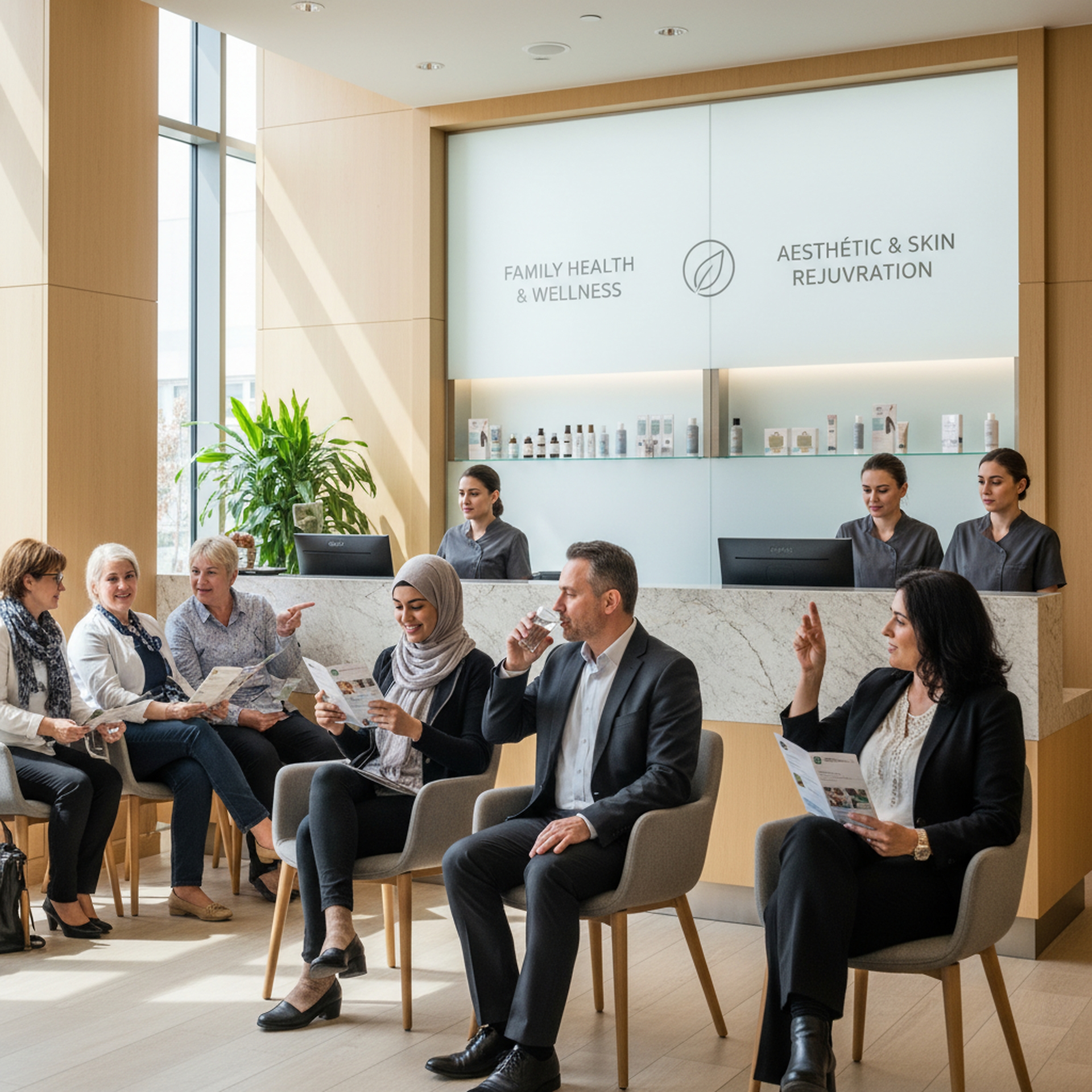
The recent decision by a prominent health clinic network in California and Nevada to introduce cosmetic procedures like Botox injections marks a significant moment in the evolving landscape of global healthcare. This strategic pivot, aimed at bolstering financial stability and ensuring continued access to vital services, underscores a growing worldwide phenomenon where the lines between essential medical care and the burgeoning beauty industry are increasingly blurred. This development reflects a broader trend driven by complex economic pressures, shifting consumer expectations, and the relentless search for sustainable funding models within the health sector. It prompts a critical examination of how healthcare providers, particularly non-profit organizations, are adapting to survive when traditional revenue streams are often insufficient.
Across continents, healthcare organizations, especially those dedicated to community health and specialized services, face formidable financial challenges. Public funding, often a cornerstone, has seen fluctuations and insufficient growth to match rising operational costs, inflation, and increasing demand. Philanthropic contributions, while crucial, cannot always bridge widening budget gaps. This economic squeeze forces institutions to explore unconventional avenues for revenue generation. From North America to Asia and Africa, clinics grapple with maintaining infrastructure, retaining skilled personnel, and acquiring necessary medical supplies while trying to expand access for underserved populations. The pressure to innovate financially without compromising core missions is immense, pushing many to consider services with strong market demand, even if unconventional.
Concurrently, the global aesthetic medicine market has experienced explosive growth. Procedures like neurotoxin injections, dermal fillers, and various non-invasive cosmetic treatments have moved from niche luxury services to widely accepted, mainstream offerings. This surge is fueled by increased disposable income, social media's influence on beauty standards, advancements in medical technology, and an aging population seeking to maintain youthful appearances. The market is projected for robust expansion, attracting significant investment. For a healthcare provider struggling to keep its doors open, tapping into this lucrative market can appear pragmatic, even necessary, to generate unrestricted funds that can then be channeled back into essential, often underfunded, services like reproductive health, preventative care, or chronic disease management.
The integration of aesthetic services into a traditional healthcare setting, particularly one with a strong social mission, raises profound ethical and practical questions. Critics often voice concerns about "mission drift"—the potential for an organization to deviate from its primary purpose by pursuing revenue-generating activities not directly aligned with its founding principles. For a clinic established to provide vital health services, offering cosmetic enhancements might be perceived as diluting its core identity. There's a delicate balance: how does an institution maintain credibility and focus on public health when it also offers services driven by personal aesthetic desires? This tension is not unique to the US; similar debates unfold globally where private hospitals offer luxury services alongside critical care, prompting discussions about healthcare priorities and resource allocation.
Beyond mission, practical challenges abound. How are resources, both human and financial, allocated between essential medical services and aesthetic procedures? Will highly trained medical staff, crucial for primary care, be diverted to perform more lucrative cosmetic treatments? There's a risk that higher profit margins from aesthetic services could inadvertently lead to de-prioritization or under-resourcing of less profitable but fundamentally important health services. Furthermore, patient trust, a cornerstone of any healthcare relationship, could be impacted. Patients seeking care for serious health concerns might question the institution's commitment if they perceive a significant focus on elective beauty treatments. For vulnerable populations, who often rely on such clinics, any perceived shift could erode confidence and deter them from seeking necessary medical attention. This issue resonates globally, as healthcare systems worldwide grapple with public perception and maintaining trust.
Despite these concerns, the economic realities for many healthcare providers are undeniable. In an ideal world, all essential health services would be fully funded through public or philanthropic means. However, the current global landscape often falls short. For some, offering aesthetic services is not a choice born of desire but of necessity—a strategic maneuver to ensure critical services remain available. This cross-subsidization model, where profitable ventures support less profitable but essential ones, is not new. The question then becomes one of degree and transparency: how can such models be implemented ethically, transparently, and with clear communication that the ultimate goal is sustaining essential care? This pragmatic approach is increasingly considered in diverse healthcare markets, from private clinics in developing economies to public-private partnerships in established systems.
The regulatory environment for aesthetic medicine varies significantly across the globe, adding another layer of complexity. In some regions, procedures are tightly regulated, requiring specific medical qualifications and facility standards. In others, oversight might be lax, leading to concerns about patient safety. When a reputable health organization enters this space, it often brings a higher standard of medical professionalism and safety, potentially elevating the overall quality of aesthetic services. However, it also necessitates navigating diverse regulatory frameworks and ensuring all new services adhere to the highest medical and ethical standards. This global patchwork of regulations means that while the trend of integrating beauty and health services is widespread, its implementation and implications can differ dramatically, impacting everything from training requirements to advertising standards.
A critical lens through which to view this trend is its impact on healthcare access and equity. Aesthetic procedures are generally elective and often expensive, primarily accessible to individuals with disposable income. If the revenue generated is genuinely used to subsidize essential care for underserved populations, it could, paradoxically, enhance equity by stabilizing clinics. However, there's also the risk that focusing on more affluent clients for aesthetic services could inadvertently divert attention or resources away from serving those most in need. The debate then shifts to whether this model truly bridges gaps in access or merely reinforces existing socio-economic disparities within the healthcare system. This is particularly pertinent in countries with stark economic inequalities, where the chasm between luxury health services and basic care can be vast.
The integration of aesthetic services into traditional healthcare settings signals a potential paradigm shift in healthcare delivery models globally. It challenges conventional notions of what constitutes "healthcare" and how it should be funded and delivered. As technological advancements continue to blur the lines between medical treatment and lifestyle enhancement, more institutions may explore hybrid models. This future could see a greater emphasis on "wellness" clinics offering a spectrum of services, from preventative medicine and chronic disease management to anti-aging treatments and cosmetic enhancements. Such a future demands robust public health policy discussions, updated medical ethics guidelines, and innovative approaches to funding that ensure essential care remains accessible, affordable, and uncompromised. The decisions made today will undoubtedly shape the trajectory of global healthcare for decades to come.
The decision by a clinic network to offer Botox is more than a localized response to financial strain; it is a microcosm of a global challenge facing healthcare providers. It highlights the intricate dance between economic survival and mission integrity in an era of evolving consumer demands and constrained budgets. While the pragmatic need for revenue is undeniable for sustaining vital services, the ethical implications, potential for mission drift, and impact on patient trust warrant careful consideration. As healthcare systems worldwide adapt to new realities, the imperative remains to find innovative funding solutions that uphold the fundamental commitment to health and well-being for all, ensuring that the pursuit of financial stability never overshadows the core humanitarian purpose of medicine.
Support Nivaran Foundation's efforts to ensure equitable and sustainable healthcare access for all, globally.
Support this work