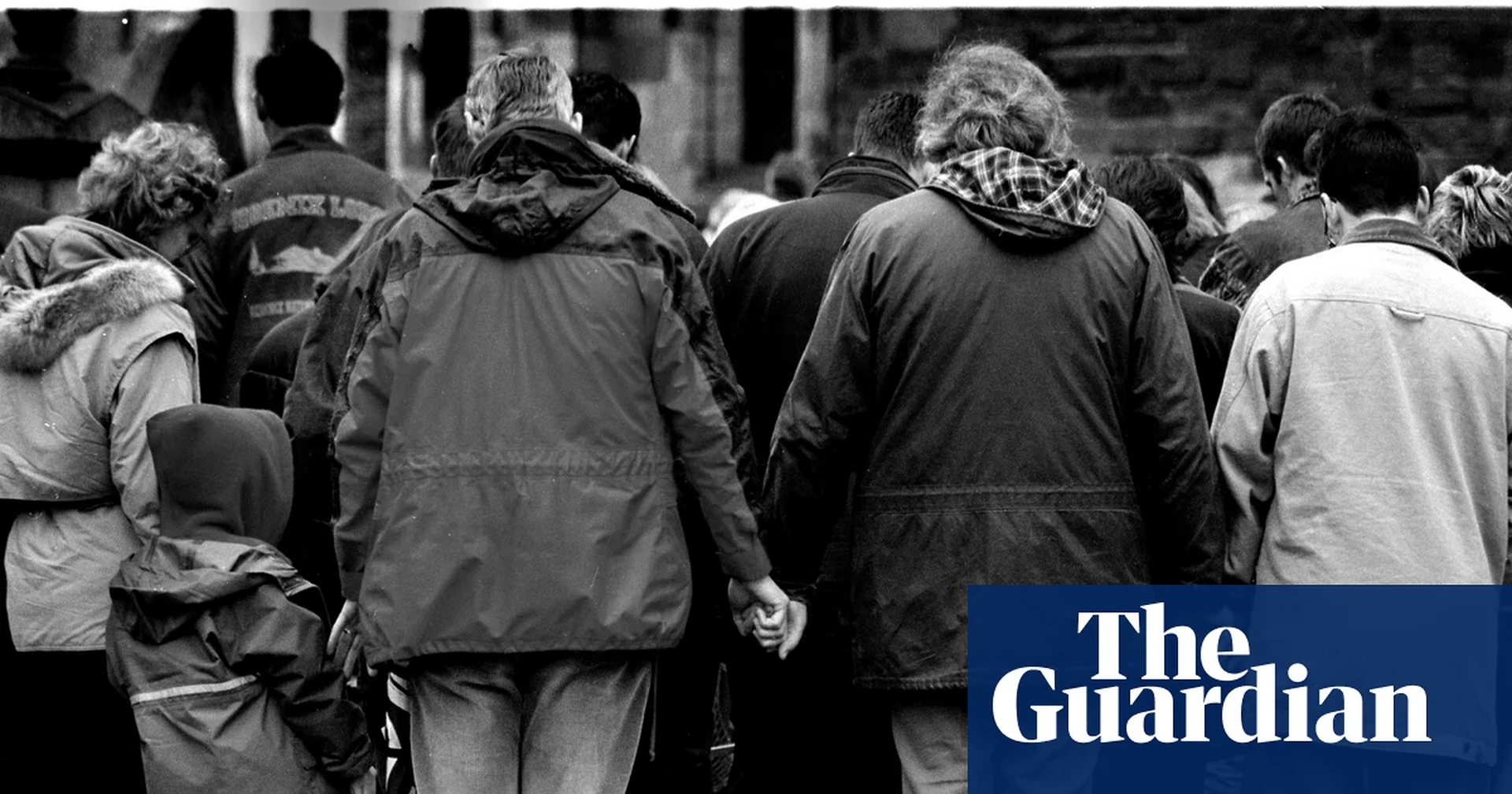
On March 13, 2026, one of the clearest global signals came through THEGUARDIAN.COM: Friday briefing: The legacy of the Dunblane massacre, 30 years on. The line may read like a headline, but the implications are operational. In today’s newsletter: The story of the Scottish town is not just one of Britain’s deadliest shooting, but the strength and determination that came next Good morning. On 13 March 1996, a man walked into the gymnasium at Dunblane primary school and opened fire on a class of five- and six-year-olds. In the space of just a few minutes, 16 children – Abigail McLennan, Brett McKinnon, Charlotte Dunn, David Kerr, Emily Morton, Emma Crozier, Hannah Scott, Joanna Ross, John Petrie, Kevin Hasell, Megan Turner, Melissa Currie, Mhairi MacBeath, Ross Irvine, Sophie North and Victoria Clydesdale – alongside their teacher, Gwen Mayor, were murdered. The attacker then turned a gun on himself. Thirty years on, Dunblane remains the UK’s deadliest mass shooting. And the town itself remains a place shaped by that day – but also by what came after: the determination of families, the strength of a community and a legacy that still touches lives today. In the wake of the tragedy, parents and supporters launched the Snowdrop Campaign for tighter gun laws, which helped to bring about sweeping reforms that left the UK with some of the strictest restrictions on private handgun ownership in the world. Middle East crisis | Vladimir Putin’s “hidden hand” lies behind Iran’s military methods , the UK defence secretary has said, after a night in which drones struck a base used by western forces in Erbil, northern Iraq. Politics | Keir Starmer could suffer further resignations when ministerial WhatsApp messages are published in the next tranche of the Peter Mandelson files , senior government sources have told the Guardian. Immigration | The backlog of people awaiting asylum appeals after having their initial application turned down has nearly doubled in a year, threatening to undermine a key pledge of Keir Starmer’s government. US news | A man who rammed his vehicle into a Michigan synagogue and drove through a hallway died during the incident, officials have said, adding that there were no other serious casualties. The FBI said it was treating the matter as a “targeted act of violence against the Jewish community”. UK news | A woman imprisoned and forced to work for a mother of 10 for more than a quarter of a century in “Dickensian” conditions has said nothing can give her back her lost years as her abuser was sentenced to 13 years. Continue reading... In moments like this, the real question is not only what happened, but what gets delayed next: a vaccination schedule, a school meal chain, a maternal referral, or a teacher posting in a district where one interruption can close an entire service corridor.
Health and education are often discussed in separate policy rooms, yet in real communities they are a single daily system. When healthcare access weakens, school attendance drops because children are sick, caregivers are absent, and household budgets are redirected to emergency treatment. When education continuity weakens, health outcomes decline because prevention messages, early warning communication, and basic protective behaviors lose reach. A global development therefore has local consequences long before ministries issue formal guidance.
Sustained field reporting and accountable publishing are what keep critical global signals visible before they become humanitarian emergencies.
Support this work