Nivaran Logo
News

Global Debate: World Book Day's Evolving Role in Fostering Reading

Educators worldwide grapple with balancing celebratory events and core literacy objectives amidst changing pedagogical approaches.

Global Debate: World Book Day's Evolving Role in Fostering Reading

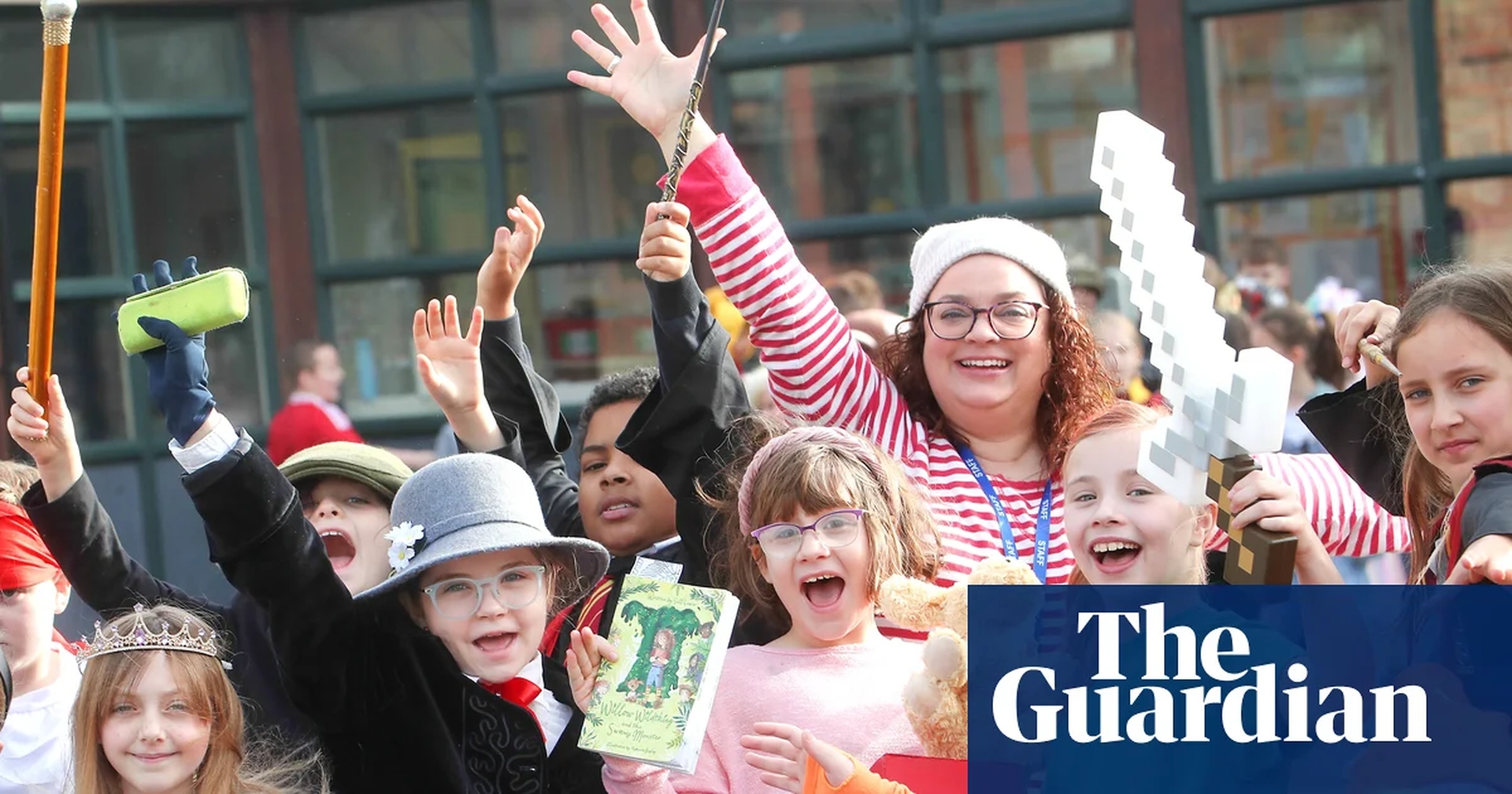
World Book Day, a vibrant annual celebration designed to promote reading, particularly among younger generations, has become a focal point for a broader global discussion within educational circles. While widely embraced for its capacity to ignite imagination and foster a love for literature, the event, especially its popular costume element, is increasingly scrutinized for its potential to inadvertently overshadow its core mission: cultivating a genuine passion for reading. This pedagogical debate, though often highlighted in specific national contexts like the UK and Ireland, resonates across continents, reflecting universal challenges in balancing educational objectives with engaging, celebratory approaches. As societies worldwide grapple with evolving literacy rates and the pervasive influence of digital media, the methods employed to encourage reading for pleasure are under continuous review, prompting educators, parents, and policymakers to reconsider what truly makes a child pick up a book.

The Allure of Celebration

For many, World Book Day embodies the joy and magic of storytelling. The sight of children transforming into their favorite literary characters brings a palpable excitement to schools and communities. This celebratory aspect is often lauded for making reading visible, accessible, and fun, potentially drawing in children who might otherwise view books as purely academic. Events that encourage creative expression and communal participation can foster a sense of belonging and shared enthusiasm for literature. Proponents argue that such festivities break the monotony of routine learning, creating memorable experiences that link positive emotions with books. In an era where screens often dominate leisure time, making reading an event, a spectacle, can be a powerful tool to capture children's attention and introduce them to diverse narratives and worlds. This engagement is not merely superficial; it can serve as a vital gateway, sparking initial curiosity that, if nurtured correctly, can evolve into a lifelong reading habit.

The Emerging Concerns and Pedagogical Shift

Despite its undeniable charm, the emphasis on elaborate costumes has sparked significant debate. Educational experts and practitioners in various regions express concern that the focus on dressing up can inadvertently detract from the fundamental goal of promoting reading for pleasure. The preparation for costumes, often involving significant time, effort, and financial outlay, can overshadow the actual engagement with books. Instead of delving into stories, the conversation might shift to costume construction, creating a disconnect between the event's spectacle and its literary purpose. This concern is not isolated; schools in several countries are exploring alternative approaches that place books and reading activities more centrally. The shift reflects a growing understanding that while initial engagement is crucial, the long-term goal is to foster intrinsic motivation for reading, which might not always be best served by external, often resource-intensive, celebrations.

Equity and Parental Burden

A significant dimension of this global discussion revolves around issues of equity and the burden placed on families. While some parents relish the creative challenge of crafting costumes, many others face considerable pressure. The expectation for elaborate outfits can create financial strain for low-income families, potentially leading to feelings of exclusion or inadequacy for children whose parents cannot afford or create complex costumes. This challenge is particularly acute in communities with significant socio-economic disparities, where educational initiatives, however well-intentioned, can inadvertently exacerbate existing inequalities. The "fun" aspect of the day can, for some, transform into a source of stress and anxiety, diverting resources and attention from the actual act of reading. Globally, ensuring equitable access to educational opportunities and resources remains a paramount concern, and any event that inadvertently creates barriers for certain segments of the student population warrants careful reconsideration.

Teacher Workload and Educational Focus

Teachers, who are at the forefront of implementing these initiatives, also face considerable challenges. Organizing and managing large-scale celebratory events, particularly those involving costumes, adds to an already demanding workload. Time spent on logistical arrangements, communicating expectations to parents, and managing the event itself can divert valuable resources and energy from core instructional activities. The pedagogical argument posits that if the primary objective is to cultivate reading for pleasure, then the focus should be on activities directly linked to books: reading aloud, storytelling, author visits, book discussions, and creative writing workshops. Shifting away from costume-centric events allows educators to redirect their efforts towards more impactful, book-focused engagements that genuinely foster literacy skills and a love for narratives, rather than the spectacle of character portrayal. This re-evaluation aligns with broader global efforts to optimize teacher effectiveness and ensure that educational resources are channeled towards activities with the greatest pedagogical return.

Global Approaches to Literacy Promotion

The debate surrounding World Book Day serves as a microcosm for diverse global approaches to literacy promotion. While the UK and Ireland have traditionally embraced the costume element, many other nations employ different strategies. Some countries focus heavily on national reading campaigns, establishing robust public library systems, or integrating comprehensive literacy programs into their national curricula from an early age. Initiatives like "reading challenges," "book clubs," and "author-in-residence" programs are common globally, designed to immerse children in the world of books without the added pressure of elaborate external preparations. The emphasis often lies on making books accessible, diverse, and relevant to children's lives, ensuring that reading is seen as an enjoyable and enriching activity rather than a performance. The success of these varied approaches underscores the idea that there are multiple pathways to fostering a love for reading, and what works best can depend on cultural context, available resources, and specific educational philosophies.

Cultivating Intrinsic Motivation

Ultimately, the goal of any literacy initiative is to cultivate intrinsic motivation for reading. This means fostering a genuine curiosity about stories, information, and ideas that transcends external rewards or celebratory events. Educational research consistently highlights that children who read for pleasure not only achieve better academic outcomes across all subjects but also develop stronger empathy, critical thinking skills, and a broader understanding of the world. Therefore, the discussion around events like World Book Day is not about eliminating fun, but rather about ensuring that the "fun" directly serves the deeper pedagogical purpose. It’s about creating environments where children feel empowered to explore books, discover new authors, and engage with narratives in ways that are meaningful to them, free from external pressures or comparisons. This long-term vision requires sustained effort, consistent access to diverse reading materials, and skilled educators who can guide children on their literary journeys.

The Path Forward: Inclusive and Book-Centric Celebrations

Moving forward, the global educational community is increasingly advocating for more inclusive and book-centric celebrations. This involves rethinking how literary events are structured to ensure they genuinely promote reading for pleasure for all children, regardless of their socio-economic background. Alternatives might include:

  • Book Swaps and Donations: Encouraging children to bring in a favorite book to swap with a classmate, fostering a culture of sharing and discovery.
  • Author and Illustrator Visits: Bringing creators directly into schools to inspire children and demystify the process of writing and illustrating.
  • Storytelling Sessions: Engaging professional storytellers or encouraging students and teachers to share their favorite tales.
  • Creative Writing Workshops: Empowering children to become creators of their own stories, connecting them more deeply with the literary process.
  • "Read-Ins" and "Drop Everything And Read" (DEAR) Sessions: Dedicated time for communal, silent reading, emphasizing the quiet joy of immersion in a book.
  • Focus on Book Characters through Discussion: Instead of dressing up, perhaps children could present on their favorite character, explaining why they admire them and what they learned from their story.

These approaches aim to shift the emphasis back to the books themselves, ensuring that the celebration reinforces, rather than distracts from, the core message of literacy.

Conclusion

The ongoing global conversation surrounding events like World Book Day underscores a critical challenge in contemporary education: how to effectively inspire a love for reading in a world full of competing distractions and diverse socio-economic realities. While the initial impulse to celebrate literature with vibrant enthusiasm is commendable, the evolving pedagogical landscape demands a nuanced approach. The goal remains universal: to cultivate lifelong readers who derive genuine pleasure and profound benefit from engaging with books. By critically evaluating the efficacy of current celebratory practices and exploring more inclusive, book-focused alternatives, educators and communities worldwide can ensure that their efforts truly serve the fundamental mission of fostering literacy and enriching the lives of future generations through the enduring power of stories. The debate is not about diminishing the joy of celebration, but rather about refining it to ensure it optimally supports the profound and lasting impact of reading.

If this moved you, share it
FacebookLinkedInXWhatsApp

Support Nivaran Foundation's global initiatives to enhance educational access and literacy programs worldwide.

Support this work

Nivaran logo
Nivaran Foundation Global Desk

The Nivaran Foundation's global news desk provides in-depth analysis on critical health and education issues impacting communities worldwide.

InstagramFacebookLinkedInX
More from the field
News
Global Health and Education Watch: Calls grow for independent probe into deadly Iranian girls’
News
Global Health and Education Watch: Labour’s Send reforms get this right: disabled children in
News
Women's Pain: A Global Silent Epidemic Shaped by Life Experiences