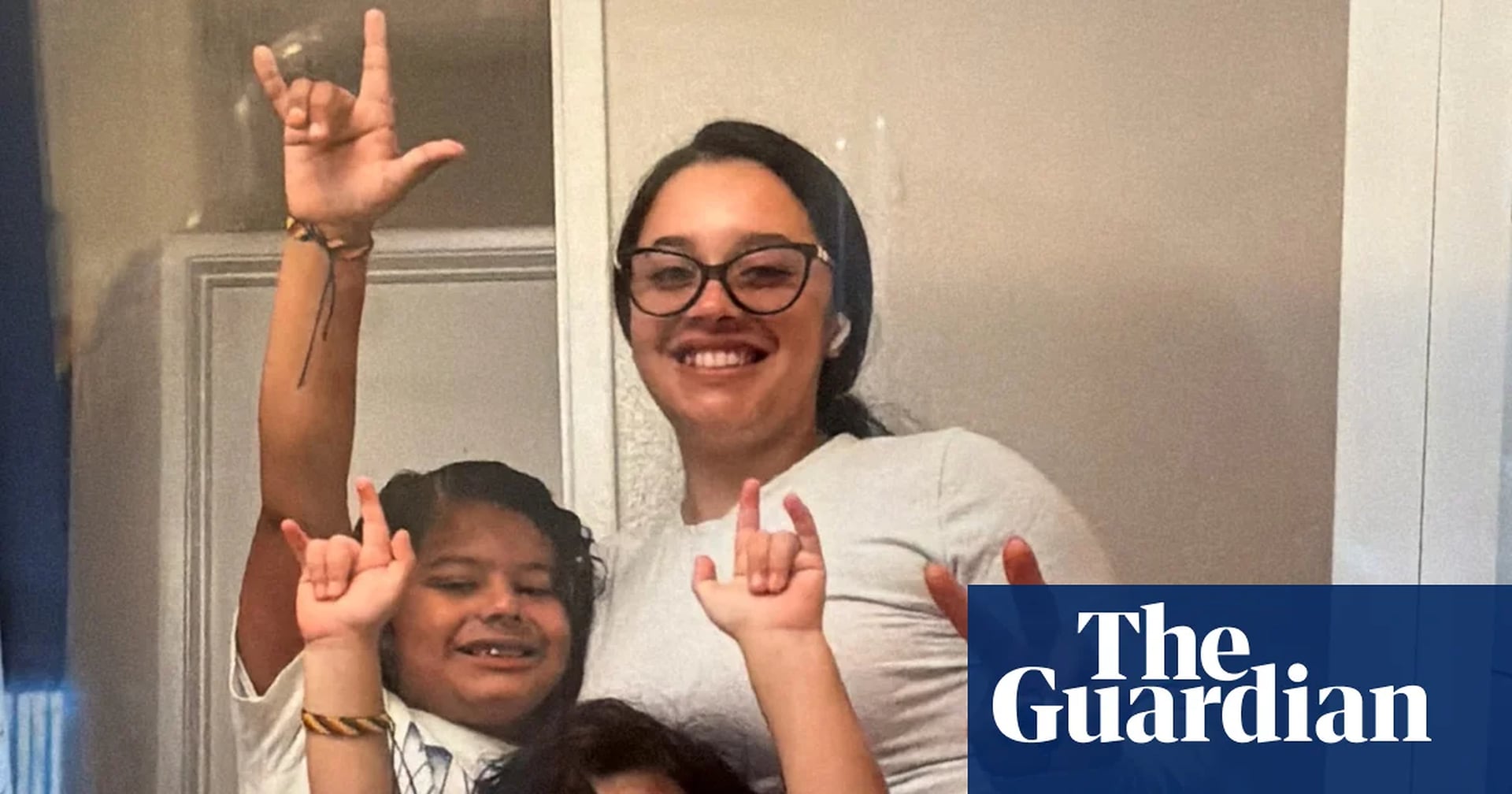
The recent deportation of a six-year-old deaf boy, his mother, and younger sibling from the United States to Colombia has ignited a fierce international debate surrounding the humanitarian treatment of vulnerable individuals within global immigration systems. The incident, which saw the family removed from the country without the child’s essential assistive devices, specifically his cochlear implant, underscores profound concerns about disability rights, access to critical healthcare, and the fundamental welfare of children caught in the complexities of cross-border migration. This case, originating from an immigration check-in in San Francisco, California, has drawn sharp criticism from human rights advocates and government officials alike, who are calling for immediate reconsideration and a thorough review of protocols impacting disabled migrants.
The Immediate Crisis: A Child’s Right to Hear
Lesly Rodriguez Gutierrez and her two sons were reportedly detained during a routine check-in at an Immigration and Customs Enforcement (ICE) office in San Francisco. What began as a mandatory appearance under ICE’s Intensive Supervision Appearance Program (ISAP) quickly escalated into an arrest and subsequent deportation to Colombia. Crucially, a relative waiting outside the ICE facility was unable to transfer the life-altering cochlear implant to the six-year-old, leaving him without the device that enables him to hear and participate in the world around him. This oversight is not merely an inconvenience; for a child with profound hearing loss, a cochlear implant is a sophisticated medical device that provides access to sound, speech development, and, by extension, education and social integration. Its absence represents a severe disruption to his development and well-being. California’s state superintendent has publicly condemned the deportation and called for the family’s return, highlighting the profound impact on the child’s educational and developmental trajectory. The Alameda County Immigration Legal and Education Partnership (ACILEP) has also brought significant attention to the family’s plight, emphasizing the critical humanitarian failure.
Beyond Borders: The Global Implications for Disability Rights
This incident transcends a single national immigration policy; it casts a stark light on the universal challenges faced by persons with disabilities in migration contexts worldwide. The Convention on the Rights of Persons with Disabilities (CRPD), a widely ratified international treaty, obliges signatory states to ensure that persons with disabilities enjoy all human rights and fundamental freedoms without discrimination. This includes the right to health, education, and access to assistive devices. While the United States has signed but not ratified the CRPD, the principles it embodies are foundational to international human rights law and are widely recognized as customary international law. The denial of a cochlear implant to a child during deportation raises serious questions about adherence to these principles, irrespective of a country's specific ratification status. It highlights a systemic vulnerability where the immediate administrative processes of immigration enforcement can inadvertently, or perhaps negligently, override fundamental human rights and medical necessities.
The Intersecting Vulnerabilities of Children and Disability in Migration
Children, by their very nature, are among the most vulnerable populations, and this vulnerability is compounded exponentially when a child lives with a disability. The United Nations Convention on the Rights of the Child (CRC), the most widely ratified human rights treaty in history, mandates that in all actions concerning children, whether undertaken by public or private social welfare institutions, courts of law, administrative authorities or legislative bodies, the best interests of the child shall be a primary consideration. For a deaf child, the "best interests" unequivocally include access to communication, education, and the assistive technologies that facilitate these rights. To remove a child from an environment where they have established support, educational services, and medical care, and then to strip them of the very device that allows them to communicate, is to inflict a profound and potentially irreversible developmental setback. This is not just a health issue; it is an educational crisis, as the child's ability to learn and interact in a new environment without their device will be severely hampered. The global community must grapple with how immigration systems, designed for security and regulation, can better integrate humanitarian considerations, particularly for children with special needs.
Systemic Failures and the Call for Humane Protocols
The case of the six-year-old boy underscores a broader pattern of systemic failures in how immigration authorities globally handle vulnerable populations. The rapid nature of deportation procedures often leaves little room for individualized assessment of needs, especially for those requiring specialized medical or assistive care. This lack of robust, standardized protocols for identifying and accommodating individuals with disabilities within immigration detention and deportation processes is a critical gap. There is an urgent need for immigration agencies worldwide to implement comprehensive training programs for their personnel on disability awareness, international human rights law pertaining to persons with disabilities, and the specific requirements for providing reasonable accommodations. This includes ensuring that essential medical devices, medications, and support services are maintained throughout the entire process, from detention to transfer and reintegration. The failure to do so not only violates human rights but also creates unnecessary suffering and long-term societal costs.
The Long-Term Impact on Education and Development
For a child dependent on a cochlear implant, the loss of this device is catastrophic for their development. A cochlear implant requires regular maintenance, programming, and access to audiological services. Without it, the child is plunged back into a world of silence, losing the progress made in speech and language acquisition. This directly impacts their ability to access education, integrate into a new school system in Colombia, and form social connections. The psychological trauma of deportation, coupled with the sudden loss of their primary means of communication, can have lasting effects on mental health and overall well-being. Education is a fundamental human right, and for children with disabilities, access to appropriate assistive technology is often a prerequisite for meaningful participation in learning. This incident serves as a stark reminder that policies impacting migration must consider the holistic needs of individuals, particularly children, and prioritize their developmental and educational continuity.
A Global Responsibility to Uphold Dignity
The Nivaran Foundation believes that this incident must serve as a catalyst for a global re-evaluation of how immigration systems interact with human rights, especially concerning children with disabilities. It is a call to action for governments, international organizations, and civil society to collaborate on developing and implementing humane, rights-based immigration policies that prioritize the dignity and well-being of all individuals. This includes establishing clear guidelines for the provision of essential medical and assistive devices, ensuring access to legal counsel, and conducting thorough best-interest determinations for children before any immigration decision is made. The global community has a shared responsibility to ensure that no child, regardless of their immigration status or disability, is denied the fundamental tools necessary for their health, education, and full participation in society. The plight of this six-year-old boy is a poignant reminder that human rights are universal and must be upheld even in the most challenging and complex circumstances of international migration. The path forward requires empathy, adherence to international law, and a steadfast commitment to protecting the most vulnerable among us.
Support Nivaran Foundation's work advocating for the rights of vulnerable children and ensuring access to essential services worldwide.
Support this work