
The global health community is increasingly sounding the alarm over a burgeoning trend: the widespread adoption of caffeine pouches among adolescents. What began as a niche product, often marketed discreetly, has rapidly gained traction, particularly among young gym-goers and students seeking an energy boost. Fueled by pervasive social media campaigns and the persuasive power of online influencers, these products are bypassing traditional regulatory scrutiny, presenting a new frontier of public health concern. While initial observations of this phenomenon have been prominent in regions like the United States, the interconnectedness of digital culture ensures that such trends quickly transcend geographical boundaries, posing a universal challenge to youth health and well-being. Nivaran Foundation's global desk highlights the urgent need for a comprehensive understanding and proactive response to this emerging issue.
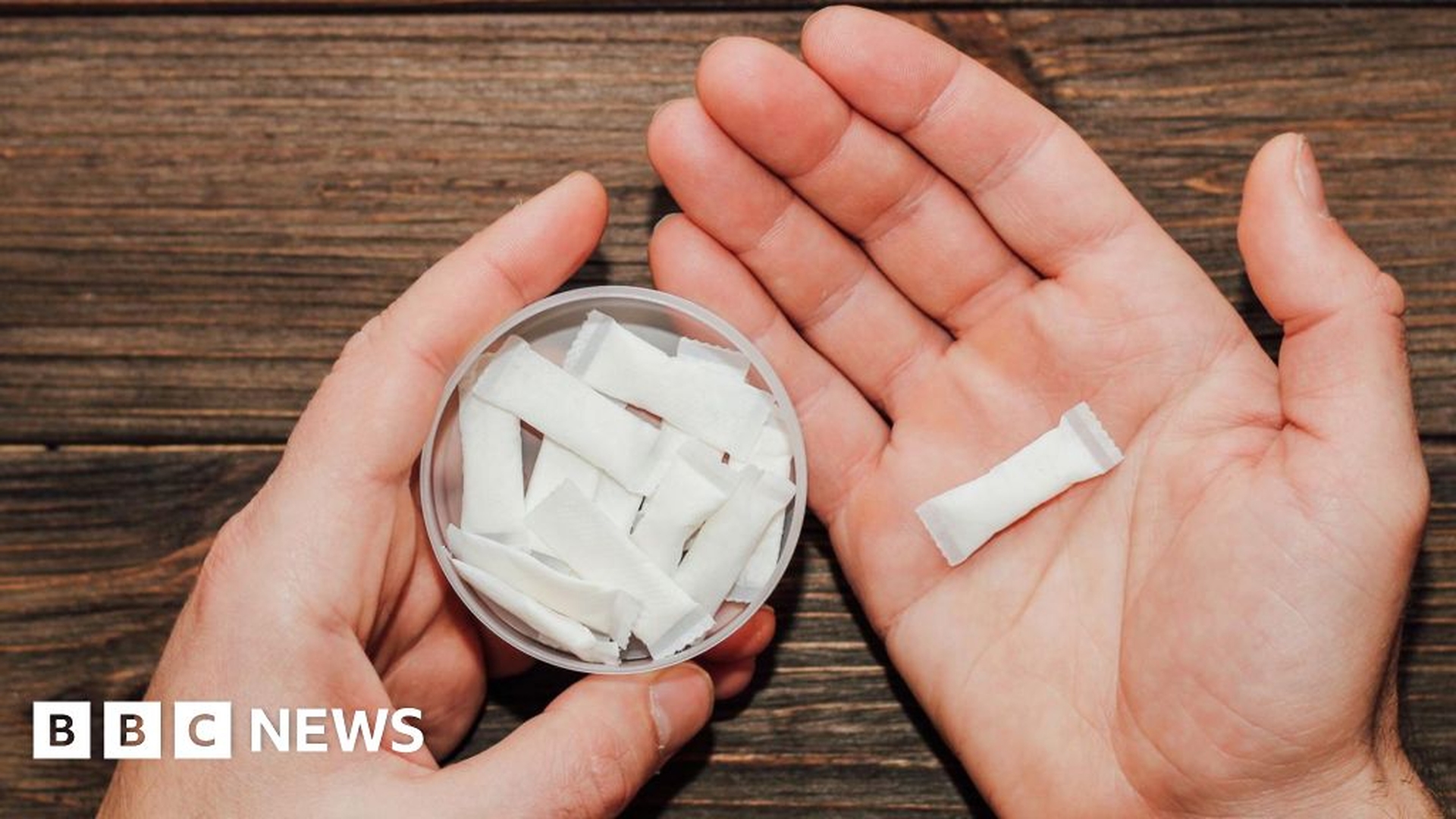
Caffeine pouches are small, often discreet sachets designed to be placed between the gum and lip, delivering a dose of caffeine directly into the bloodstream. They bear a striking resemblance to nicotine pouches, which have faced their own set of controversies regarding youth consumption. Unlike energy drinks, these pouches are often sugar-free, calorie-free, and can be used without drawing attention, making them particularly appealing in environments where overt consumption of stimulants might be frowned upon, such as classrooms or libraries. For adolescents navigating demanding academic schedules, athletic pursuits, or simply seeking to keep pace with an always-on digital world, the promise of sustained focus and heightened energy can be incredibly alluring. Social media narratives frequently glamorize their use, portraying them as a convenient, modern solution for enhanced performance and alertness, subtly embedding them into the daily routines of impressionable young people.
The health implications of unregulated, high-dose caffeine consumption, especially in developing bodies, are substantial and multifaceted. One of the primary concerns revolves around cardiovascular health. Adolescents using these pouches may experience elevated heart rates, increased blood pressure, and even arrhythmias, potentially exacerbating underlying heart conditions or creating new ones. The discreet nature of the pouches can lead to users consuming multiple doses throughout the day, making it difficult to monitor overall caffeine intake and significantly increasing the risk of acute caffeine toxicity.
Beyond the heart, neurological impacts are a major worry. High caffeine levels can trigger anxiety, nervousness, jitters, and contribute to severe sleep disturbances, disrupting crucial sleep cycles vital for adolescent development and cognitive function. Chronic use can lead to headaches and, paradoxically, fatigue when the stimulating effects wear off, prompting a cycle of dependence. The developing adolescent brain is particularly vulnerable to external chemical influences, and the long-term effects of consistent, high-dose caffeine exposure on brain development, mood regulation, and mental health are not yet fully understood but warrant serious investigation. Gastrointestinal issues, such as stomach upset and acid reflux, are also common side effects. The potential for addiction or dependence is another critical aspect, as young users may find themselves reliant on these pouches to function normally, leading to withdrawal symptoms if they attempt to stop.
The rapid proliferation of caffeine pouches among youth is inextricably linked to the pervasive influence of social media platforms. Influencers, often without any medical or health expertise, are actively promoting these products to their vast young audiences. These endorsements frequently frame caffeine pouches as a lifestyle accessory—a secret weapon for academic success, peak athletic performance, or simply staying awake during late-night gaming sessions. The marketing often bypasses traditional advertising regulations, leveraging relatable personalities and user-generated content to create an illusion of authenticity and trustworthiness.
Social media algorithms further exacerbate the problem by amplifying content to vulnerable demographics. A teenager who shows interest in fitness or study tips might be algorithmically exposed to countless videos and posts promoting caffeine pouches, creating an echo chamber that normalizes and even glorifies their use. This digital peer pressure, combined with sophisticated marketing tactics, makes it incredibly challenging for young people to discern factual health information from commercially driven narratives. The lack of clear disclaimers or age restrictions on such promotional content on many platforms means that children and young adolescents are just as likely to encounter these advertisements as older teens, making them particularly susceptible to the persuasive power of online trends.
The regulatory environment surrounding caffeine pouches is currently fragmented and, in many regions, inadequate. Unlike tobacco or nicotine products, which often face stringent age restrictions, marketing limitations, and clear health warnings, caffeine pouches frequently fall into a regulatory grey area. They are often classified as dietary supplements or food products, which typically have less rigorous oversight. This classification allows manufacturers to market and sell them with fewer restrictions, often without clear labeling regarding the exact caffeine content per pouch or comprehensive health warnings tailored for adolescent use.
Enforcing age restrictions for online sales is notoriously difficult, as is preventing their sale in general retail outlets where age verification might be lax. The discreet nature of the product also makes it challenging for parents, educators, and even regulators to identify and monitor their use. The global nature of e-commerce and social media means that products originating in one country can easily be marketed and shipped worldwide, creating a complex international challenge for consistent regulation. This regulatory vacuum allows the market to flourish, often at the expense of public health, particularly among the youth population.
Addressing the caffeine pouch trend requires a multi-pronged approach involving education, public health initiatives, and collaborative action. Parents play a crucial role in becoming informed about these products, understanding their risks, and engaging in open conversations with their children about healthy energy management and the dangers of unregulated stimulants. Schools are vital platforms for educational programs that inform students about the physiological effects of caffeine, the deceptive nature of social media marketing, and the importance of making informed health choices.
Healthcare providers, including pediatricians and family doctors, must be equipped to recognize the signs of caffeine overuse or dependence in young patients and provide appropriate counseling. Public health campaigns are essential to counter the misleading narratives propagated online, offering accurate, evidence-based information about the risks associated with caffeine pouches. These campaigns should be designed to resonate with young audiences, utilizing channels and formats that effectively reach them, while also empowering them to critically evaluate online health claims.
The rise of caffeine pouches echoes a familiar pattern seen with other youth-targeted products, such as highly caffeinated energy drinks and, more recently, vaping devices. In each instance, new products emerge, often exploiting regulatory loopholes and leveraging novel marketing channels to appeal to young people. These trends highlight a recurring challenge for public health: staying ahead of innovative product development and marketing strategies that prioritize profit over the well-being of vulnerable populations. Understanding this historical context is crucial for developing more robust and anticipatory regulatory frameworks that can adapt to future challenges and protect adolescent health from emerging threats.
Nivaran Foundation is dedicated to fostering global health and educational equity. We advocate for stronger international collaboration, robust regulatory frameworks, and comprehensive public health education to safeguard the well-being of young people worldwide against harmful product trends and misleading marketing.
The escalating popularity of caffeine pouches among adolescents represents a significant and growing global public health concern. The confluence of aggressive social media marketing, the discreet nature of the products, and a lagging regulatory response creates a perilous environment for youth. Protecting the health and developmental trajectory of the next generation demands immediate and concerted action from governments, international health organizations, technology companies, educators, and parents. Without a unified and proactive approach, the potential long-term health consequences for millions of young people could be profound, underscoring the urgency of addressing this silent epidemic before it entrenches itself further into global youth culture.
Support Nivaran Foundation's global initiatives to protect youth health and advocate for responsible product marketing.
Support this work