Nepal stands at a pivotal juncture, its political landscape constantly evolving, yet the fundamental needs of its populace, particularly in health and education, remain paramount. The recent surge in prominence of figures like Balendra Shah, a dynamic urban planner now widely discussed as a potential future Prime Minister, brings with it a unique lens through which to examine these critical sectors. Shah's personal life, notably his marriage to a public health professional and their shared experience of raising a baby girl, subtly but significantly intertwines his public persona with the very fabric of Nepal's public health narrative. This connection offers a compelling opportunity to envision a future where national leadership might be deeply informed by a profound understanding of health challenges and the strategic interventions required to overcome them. For a nation grappling with persistent health disparities, infrastructural deficits, and the ongoing need for robust public health initiatives, the potential influence of a leader with such proximate expertise could be transformative.
Nepal's public health landscape, while having made commendable strides in certain areas, still faces formidable obstacles. Geographic isolation, particularly in the mountainous and remote regions, continues to impede access to even basic healthcare services for millions. The urban-rural divide in health outcomes is stark, with city dwellers often having better access to specialized care, while rural populations contend with limited facilities, chronic shortages of skilled healthcare professionals, and inadequate medical supplies. Maternal and child health, despite significant improvements in reducing infant and maternal mortality rates over the past decades, remains an area requiring sustained focus. Challenges persist in ensuring universal access to quality antenatal care, safe delivery services, and comprehensive postnatal support. Malnutrition, preventable diseases, and the burgeoning burden of non-communicable diseases further complicate the national health agenda, demanding a multi-pronged, integrated approach that extends beyond mere treatment to encompass robust prevention and health promotion.
The potential for a leader, or a leadership team, to be directly influenced by a public health professional's insights cannot be overstated. Such an influence could shift policy-making from a reactive, crisis-management model to a proactive, preventive paradigm. A public health perspective emphasizes community-level interventions, health education, sanitation, nutrition, and early disease detection – all cornerstones of a resilient health system. Imagine policies crafted with an intimate understanding of epidemiological data, resource allocation guided by public health priorities, and programs designed to address the root causes of illness rather than just their symptoms. This would entail a greater investment in primary healthcare, strengthening local health posts, and empowering community health workers who are often the first and only point of contact for many rural families. The focus would naturally expand to include environmental health, water safety, and food security, recognizing their inextricable links to overall public well-being.
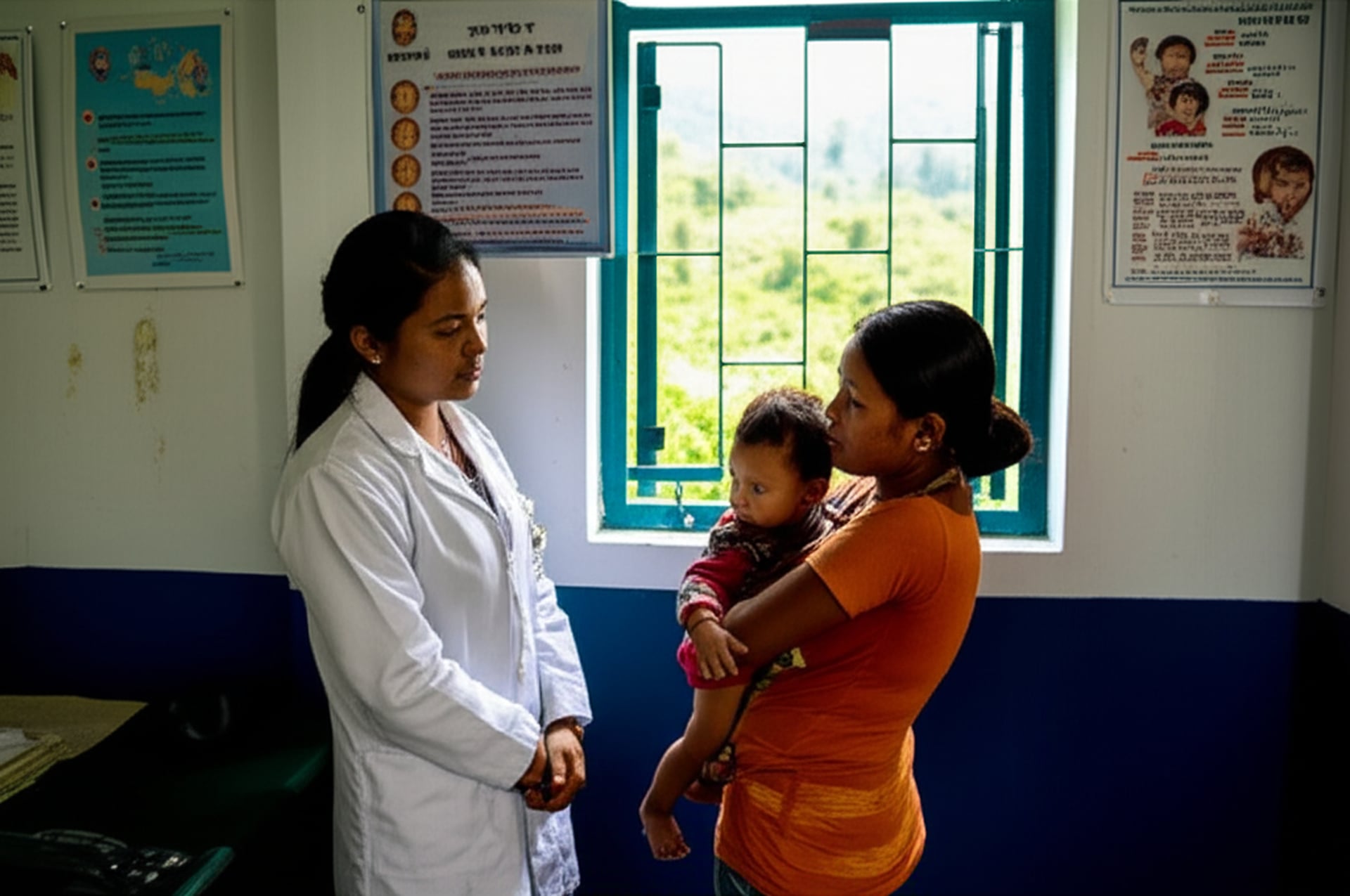
Maternal and child health, a cornerstone of any nation's development, stands to gain immensely from such a focused approach. The experience of raising a young child, particularly for a public health professional, brings a firsthand understanding of the critical importance of early childhood development, vaccination schedules, and the challenges faced by new parents. Policies could be designed to ensure every pregnant woman receives adequate antenatal check-ups, that deliveries are attended by skilled birth attendants, and that mothers and newborns receive essential postnatal care. Initiatives promoting exclusive breastfeeding, proper nutrition for young children, and early childhood education could be prioritized and scaled up across the country. This would involve not just healthcare provision but also robust public awareness campaigns, community support networks, and the integration of health services with other social welfare programs to create a holistic support system for families. The goal would be to ensure that every child in Nepal has the best possible start in life, free from preventable diseases and nutritional deficiencies, laying a strong foundation for future generations.
Beyond direct care, strengthening Nepal's health infrastructure and education system is paramount. Many existing health facilities, particularly in remote areas, are dilapidated, under-equipped, and lack essential human resources. A renewed focus could drive investment into upgrading these facilities, ensuring they are equipped with modern diagnostic tools and essential medicines. Furthermore, the training and retention of skilled healthcare professionals – doctors, nurses, paramedics, and public health specialists – is a critical challenge. This requires not only increasing the number of medical and nursing colleges but also improving the quality of education, providing incentives for professionals to serve in rural areas, and establishing continuous professional development programs. Integrating public health principles more deeply into medical curricula would also ensure that future healthcare providers are not only clinically competent but also adept at understanding and addressing broader community health needs. Education, in this context, extends beyond formal training to encompass widespread health literacy campaigns, empowering citizens with the knowledge to make informed decisions about their own health and well-being.
Addressing the pervasive health disparities across Nepal requires a concerted effort to ensure equitable access to quality care. This means moving beyond a 'one-size-fits-all' approach and tailoring interventions to the specific needs of diverse communities, including indigenous groups, marginalized populations, and those living in geographically challenging terrains. Mobile health clinics, telemedicine solutions, and community outreach programs can play a vital role in bridging these gaps. Policies aimed at reducing out-of-pocket health expenditures, potentially through expanded health insurance schemes or subsidized services for vulnerable populations, are also crucial to prevent catastrophic health costs from pushing families into poverty. The goal must be to dismantle systemic barriers that prevent certain segments of the population from accessing the care they need, fostering a truly inclusive health system where health is a right, not a privilege.
Preventive healthcare and health literacy are often the most cost-effective and impactful interventions, yet they frequently receive less attention than curative care. A leadership sensitive to public health principles would undoubtedly champion robust vaccination programs, ensuring high coverage rates for all preventable diseases. Investment in sanitation infrastructure, including access to clean drinking water and proper waste management, would be prioritized to curb waterborne and vector-borne diseases. Nutrition education, particularly for mothers and children, would be scaled up to combat malnutrition and promote healthy eating habits from an early age. Furthermore, comprehensive health literacy campaigns, utilizing various media and community channels, could empower individuals to adopt healthier lifestyles, understand disease prevention, and seek timely medical attention. This shift towards prevention would not only improve population health outcomes but also alleviate the burden on an already strained healthcare system, allowing resources to be more effectively allocated.
While the prospect of a public health-informed leadership offers immense opportunities, Nepal's health sector also faces significant systemic challenges. Funding remains a perennial issue, with healthcare often competing with other pressing national priorities. Political instability and frequent changes in government can disrupt long-term health planning and implementation. Corruption, at various levels, can divert resources intended for public services. Overcoming these hurdles requires not just political will but also strong institutional frameworks, transparent governance, and sustained commitment across political divides. However, the current moment also presents unique opportunities. The increasing awareness among the populace about health rights, the growing network of local health organizations, and the potential for leveraging technology for health service delivery all offer pathways for progress. A leadership that can effectively harness these opportunities, while navigating the challenges, could truly usher in a new era for Nepal's public health.
In conclusion, the emergence of figures like Balendra Shah, with their unique personal connections to the public health domain, offers a hopeful glimpse into a future where Nepal's national leadership might prioritize health and well-being with unprecedented rigor. The influence of a public health professional, whether directly in governance or indirectly through spousal counsel, could catalyze a much-needed transformation in Nepal's healthcare system. By championing preventive care, strengthening maternal and child health initiatives, bolstering health infrastructure and education, and striving for equitable access, Nepal could move closer to achieving universal health coverage and fostering a healthier, more resilient population. The Nivaran Foundation believes that such a focus is not merely an aspiration but a fundamental requirement for the nation's sustainable development and the prosperity of its people.
Support Nivaran Foundation's efforts to strengthen public health and education initiatives across Nepal.
Support this work