
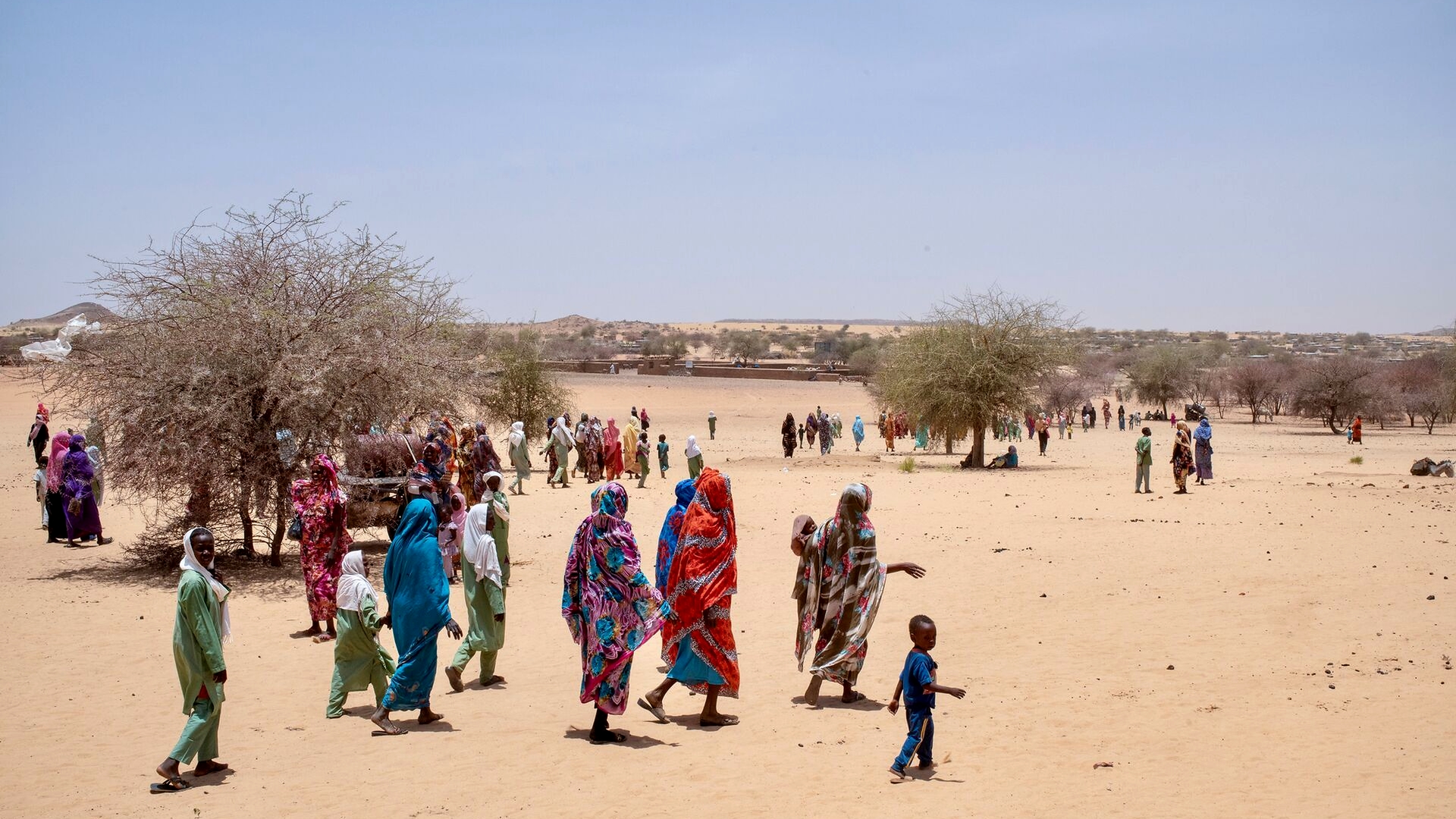
The calendar has turned to mark a grim and devastating milestone in East Africa. As of today, the conflict in Sudan has raged for 1,000 days, a relentless period of violence that has systematically dismantled the nation’s infrastructure and precipitated what the World Health Organization (WHO) now classifies as the worst humanitarian crisis on the planet. Since the initial outbreak of fighting in April 2023, the situation has deteriorated from a political power struggle into a catastrophic societal collapse, leaving tens of millions of civilians trapped in a crossfire of hunger, disease, and displacement.
According to the latest verification data released by global health monitors, the scale of human suffering is staggering. Nearly three years of continuous warfare have left over 20 million people requiring immediate health assistance, while 21 million are in desperate need of food. The compounding effects of severe access constraints, dwindling international funding, and the direct destruction of supply chains have pushed the total number of people needing humanitarian aid this year to an estimated 33.7 million. This figure represents a significant portion of the country’s population, signaling a near-total breakdown of the social contract and the mechanisms of state support.
The health sector, often the last line of defense in humanitarian emergencies, has been targeted with a ferocity that violates the fundamental tenets of international humanitarian law. The WHO has verified 201 separate attacks on health care facilities and personnel since the conflict began. These are not merely collateral damages but often appear to be calculated strikes that have resulted in 1,858 deaths and 490 injuries among patients and providers. The strategic destruction of hospitals and clinics has rendered more than one-third of the country’s health facilities—approximately 37 percent—completely non-functional. In a nation grappling with war trauma, this loss of capacity deprives millions of essential and life-saving services, from emergency surgery to chronic disease management.
Dr. Shible Sahbani, the WHO Representative in Sudan, described the situation as driving the health system to the brink of total collapse. Under the immense strain of untreated disease, widespread hunger, and a lack of access to basic utilities like water and electricity, the population faces a devastating reality. While international agencies are exerting every effort to save lives and rebuild shattered systems, the operational environment remains one of the most dangerous and logistically challenging in the world. The resilience of local health workers is heroic, yet they are forced to operate in facilities often devoid of medicines, power, or security.
The crisis in Sudan is currently the largest displacement crisis globally, a fact that often goes underreported in the international press. An estimated 13.6 million people have been forced from their homes, creating a nomadic population of internally displaced persons (IDPs) who are vulnerable to every shock the war delivers. This unprecedented level of displacement has created a perfect storm for epidemiological disaster. Fueled by abysmal living conditions, severe overcrowding in makeshift displacement sites, and the disruption of water, sanitation, and hygiene services, infectious diseases are spreading with lethal speed.
The breakdown of routine immunization programs, a casualty of the logistics blockade and safety risks, has left a generation of children exposed to preventable illnesses. The WHO is currently supporting responses to simultaneous outbreaks of cholera, dengue fever, malaria, and measles. The geographical spread of these diseases indicates a failure of containment caused by the war; cholera has now been reported in all 18 states, while malaria is prevalent in 16 states and dengue in 14. The intersection of these outbreaks with mass displacement means that pathogens move as people move, finding fertile ground in camps where sanitation infrastructure is nonexistent.
Compounding the disease burden is a severe hunger crisis that weakens the population’s immune response. Malnutrition has reached catastrophic levels, particularly among children. More than 112,400 children suffering from severe acute malnutrition with medical complications have been treated at functional stabilization centers. These centers, supported by WHO nutrition supplies, are the difference between life and death for the country’s youngest victims. However, access to preventive care and management for severe malnutrition remains limited in the hardest-hit areas, leaving countless others without help.
Despite the harrowing constraints, the humanitarian response continues to function through a combination of diplomatic negotiation and logistical ingenuity. Since April 2023, the WHO has successfully delivered 3,378 metric tons of medicines and medical supplies. Valued at approximately US$ 40 million, these shipments include diagnostic supplies, treatments for malnutrition, and essential drugs for managing cholera and malaria, as well as supplies for emergency surgery. These resources have been distributed to 48 health partners who are conducting life-saving operations on the ground.
Vaccination campaigns have also continued despite the fighting, illustrating the determination of public health officials to prevent a total biological catastrophe. About 24 million people have received cholera vaccinations, a massive undertaking in a war zone. Furthermore, the WHO has supported the country in introducing and scaling up malaria vaccines, a critical intervention in a region where the mosquito-borne parasite remains a top killer. Over 3.3 million people have accessed healthcare at WHO-supported hospitals, primary care facilities, and temporary mobile clinics that navigate the shifting frontlines to reach isolated communities.
However, the reach of these aid efforts is severely curtailed by the security situation. Large swathes of the country, particularly in the Darfur and Kordofan regions, remain inaccessible due to relentless combat. Dr. Sahbani has emphasized that as these areas remain cut off, the health needs of the trapped populations continue to skyrocket. The inability of aid convoys to cross frontlines safely means that preventable deaths are occurring daily, unseen and uncounted. To prevent the crisis from spiraling further out of hand, humanitarian partners require safe, unimpeded access to all areas of Sudan, alongside a significant increase in financial resources from the global donor community.
The laboratory infrastructure, crucial for detecting and confirming outbreaks, has also been a focus of rehabilitation efforts. State and National public health laboratories have been equipped and strengthened to enable rapid response capabilities. Without the ability to confirm what diseases are circulating, response teams are fighting in the dark. Restoring these diagnostic capacities is a vital step in regaining some control over the public health landscape.
Ultimately, humanitarian aid can only serve as a temporary bandage on a gaping wound. The root cause of the suffering—the conflict itself—must be addressed. The WHO and the broader international community have issued urgent calls for all parties to the conflict to work towards an immediate ceasefire. Peace is the only sustainable vaccine for the myriad ailments afflicting Sudan. Without a cessation of hostilities, the cycle of displacement, disease, and death will continue to deepen, threatening to destabilize the entire region and leaving a permanent scar on human history. As the war crosses the 1,000-day threshold, the world must not look away; the cost of indifference is measured in millions of lives hanging in the balance.
Support emergency medical teams delivering life-saving care in conflict zones.
Support this work